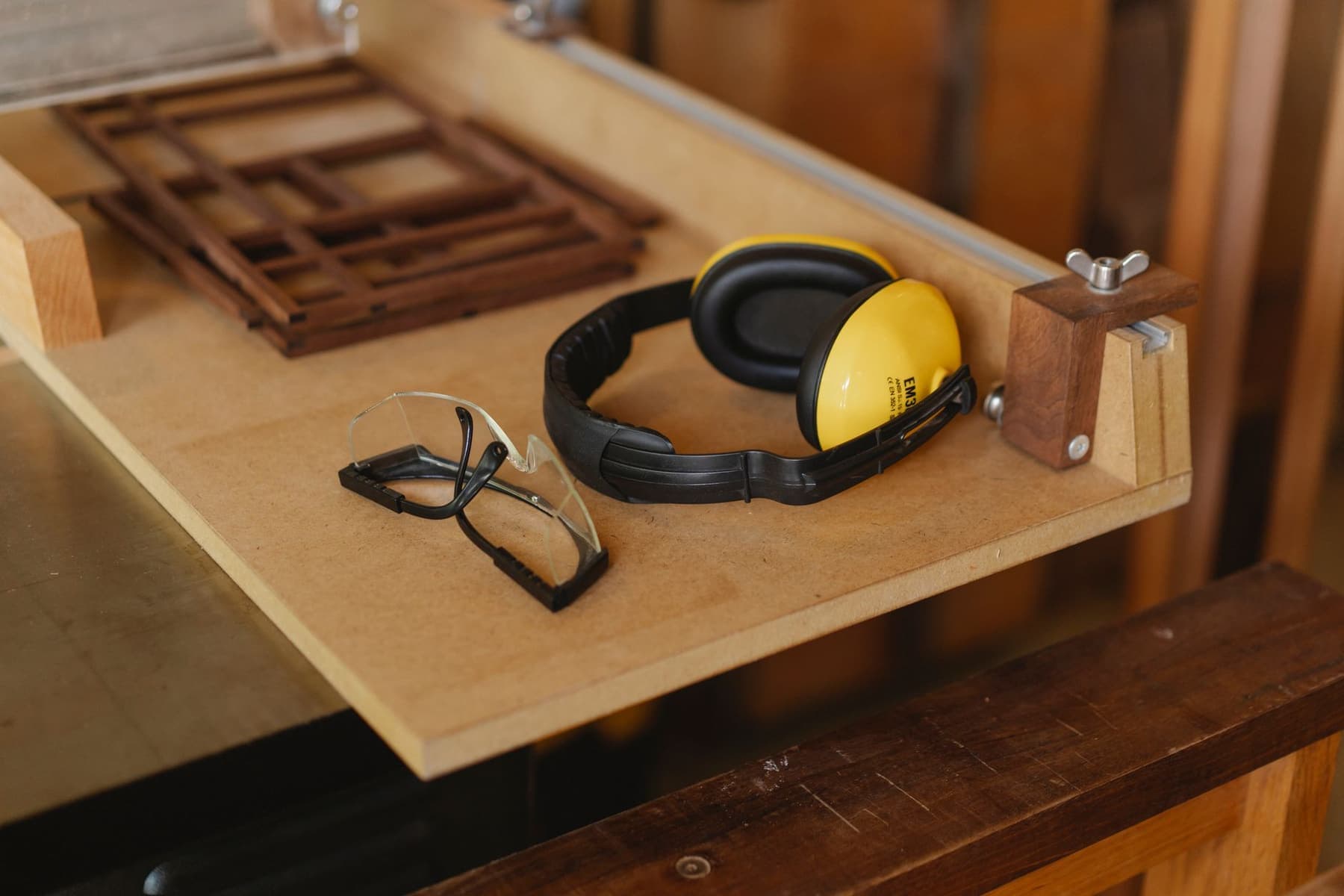
Indirectly, yes: noise-canceling headphones let you listen at a lower volume in loud places, and listening volume is the main cause of preventable hearing damage. As hearing protection, no: canceling carries no certified Noise Reduction Rating, works mainly on steady low frequencies, and fails on the sudden loud sounds that do most acute damage. For a mower, a saw, a concert or a firearm, use rated ear defenders — 25 to 26 dB NRR — not canceling headphones.
The real benefit
How they do help, and it is not small
On a plane or a train, people turn their music up until it beats the background. Cabin noise at cruise is substantial, so the volume needed to hear a quiet passage over it is substantial too, and you hold that volume for hours.
Canceling removes the background, which removes the reason to turn it up. The net effect is hours of listening at a materially lower level, and since cumulative exposure to your own music is the dominant preventable risk for most people, that is a genuine hearing benefit.
It is worth being precise about the mechanism: the protection comes from your behavior changing, not from the headphone blocking anything. Turn the volume up anyway and the benefit vanishes entirely.
Canceling protects your hearing by removing your reason to turn the volume up. Keep turning it up and it protects nothing.
The hard limit
Why canceling is not hearing protection
No certified rating exists
Hearing protectors are tested and labeled with a Noise Reduction Rating. The products on this page that carry one are rated 26 dB and 25 dB, and the ISOtunes figure is ANSI certified with OSHA and NIOSH compliance stated. No canceling headphone or earbud carries an NRR, because the category is not tested that way. A manufacturer’s “up to 50 dB” claim is a peak at one frequency, not a certified reduction.
It works on the wrong half of the spectrum
Canceling targets steady low frequencies. Much industrial and recreational noise risk is broadband or high frequency: a circular saw, a grinder, an angle cutter. Passive mass over the ear is what reduces those, which is exactly what a defender is and what a lightweight canceling headphone is not.
It cannot respond to an impulse
A gunshot, a nail gun, a dropped scaffold board: these are impulse noises that peak and are gone in milliseconds. Canceling works by sampling, processing and inverting, which takes time it does not have. Against an impulse, only passive attenuation is doing anything at all.
The fuller version of this argument, including why foam earplugs are rated and canceling is not, is in noise-canceling headphones vs earplugs.
By situation
What to use, situation by situation
| Situation | Use | Why |
|---|---|---|
| Plane, train, bus | Noise-canceling headphones | Steady low-frequency drone is exactly what canceling removes, and it lets you listen quieter |
| Open-plan office | Canceling, or a sealed earbud | Comfort and concentration problem, not a damage problem |
| Mowing, leaf blower, power tools | Rated defenders (25-26 dB NRR) | Loud enough to cause damage, and broadband rather than low-frequency |
| Firearms, nail guns, impacts | Rated protection, often doubled with plugs | Impulse noise is too fast for any processing to respond to |
| Concerts and clubs | Filtered musician earplugs | You want level reduction while keeping the music intelligible, which plugs do and canceling does not |
| Sleeping next to a road | Canceling, or plugs | Steady traffic noise responds to canceling; intermittent noise responds better to a seal |
Mowing specifically
The lawn mower question, because it comes up most
A gas mower is loud enough to warrant protection for the length of time you use one, and the sound is broadband rather than a clean low-frequency drone. Canceling headphones will make it quieter and more pleasant; they will not give you a certified reduction, and the temptation to raise your music over what gets through makes the exposure worse rather than better.
Use defenders with audio built in. That is the entire reason the 3M and ISOtunes products exist, and it is why the mowing roundup on this site is built around rated protection rather than around flagship canceling.
The other risk
The risk that is actually yours
For most people reading this, the environment is not the threat. The threat is a phone at high volume for two hours a day over a decade. Two things reduce it meaningfully: canceling, because it removes the reason to turn up; and a hard volume ceiling, because it removes the ability to.
The ISOtunes product is the only item on this page with a ceiling built in, capping output at 85 dB. Most phones also have an output limit setting, and switching it on costs nothing. For the health side of the canceling question specifically, see are noise-canceling headphones bad for your ears.
What to look for
What to buy, and the three things to check
- A printed NRR, if damage is the concern. A certified number on the product. If there is no number, it is not hearing protection, whatever the box says about decibels canceled.
- A volume ceiling, if you listen loud. A hard cap at 85 dB removes the failure mode that actually affects most people.
- Battery you will not work around. Protection that is flat gets taken off, and protection that is off protects nothing. Forty to fifty rated hours is the right order of magnitude for tool use.
The three picks below cover both sides of the line: two certified protectors for the situations that can damage hearing, and one canceling headphone for the travel situations where the benefit is real but indirect.
In short
Key takeaways
- Indirect benefit, real: canceling lets you listen at a lower volume in loud places, and volume is the dominant preventable risk.
- No canceling product carries a certified Noise Reduction Rating. Only hearing protectors do.
- Canceling targets steady low frequencies, so it is weak against broadband tool noise.
- It cannot respond to impulse noise at all — a gunshot or nail gun is over before processing can act.
- For mowing, power tools or firearms use rated defenders: the picks here are 26 dB and 25 dB NRR.
- A hard volume ceiling, such as the ISOtunes 85 dB cap, addresses the risk that is actually yours.
At a glance
Quick picks
Scores are our editorial judgment from published specifications and cited third-party measurements, not our own testing. The rubric is published in full. Tap any row for the full write-up.
| # | Product | Best for | Score | Price |
|---|---|---|---|---|
| 1 | 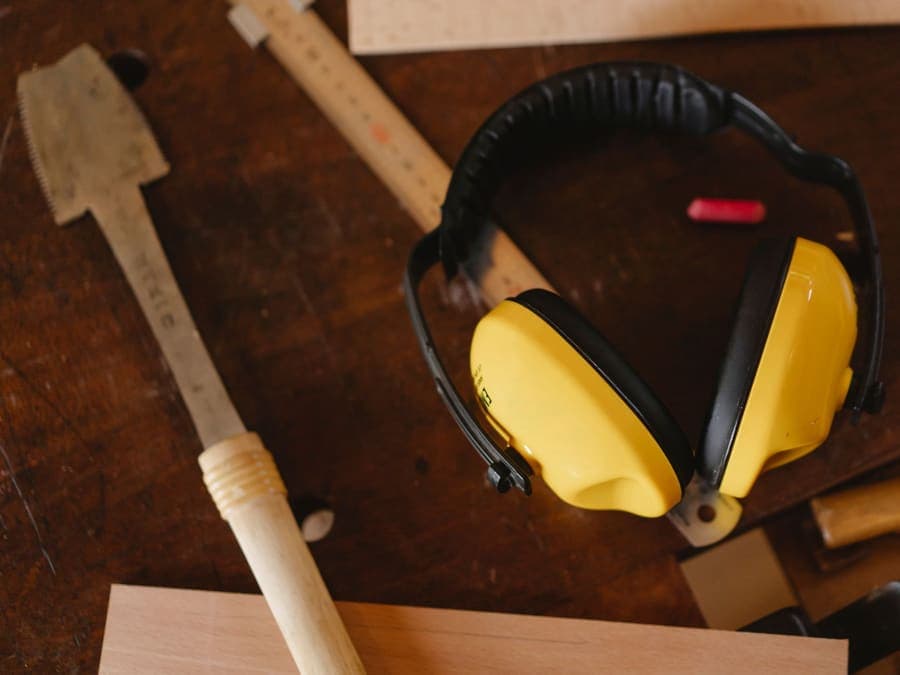 3M WorkTunes ConnectA certified hearing protector that happens to stream Bluetooth, which is the right way round for a petrol mower. Noise canceling headphones protect nothing. | Certified protection with audio | 8.78.7 out of 10, our editorial score | |
| 2 | 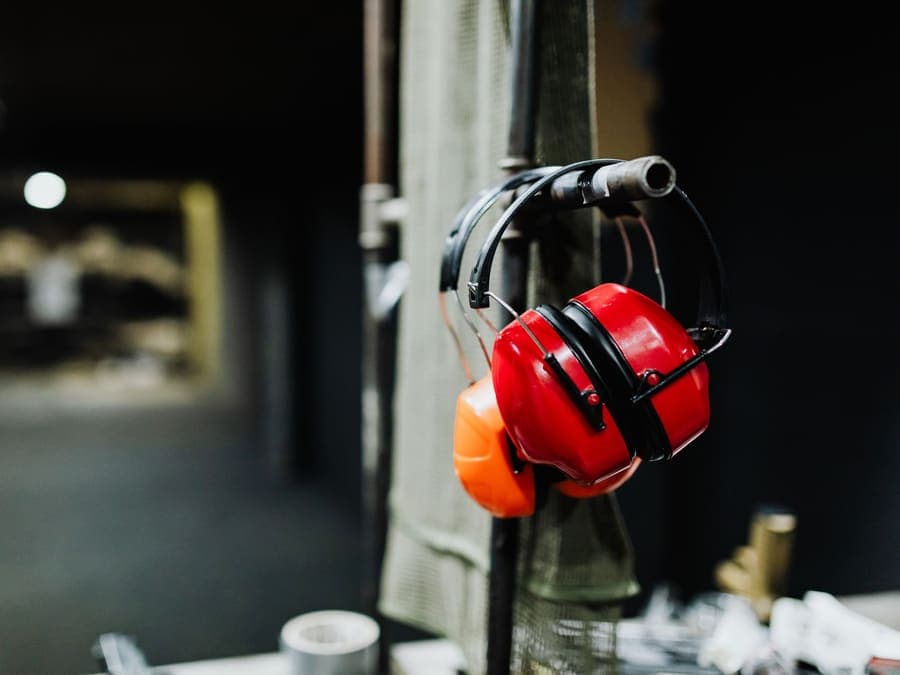 ISOtunes LINK 2.0The version of this idea with a hard limit built in: it caps its own output at 85 dB, so you cannot solve one hearing risk by creating another. | If you want a volume ceiling too | 8.68.6 out of 10, our editorial score | |
| 3 | 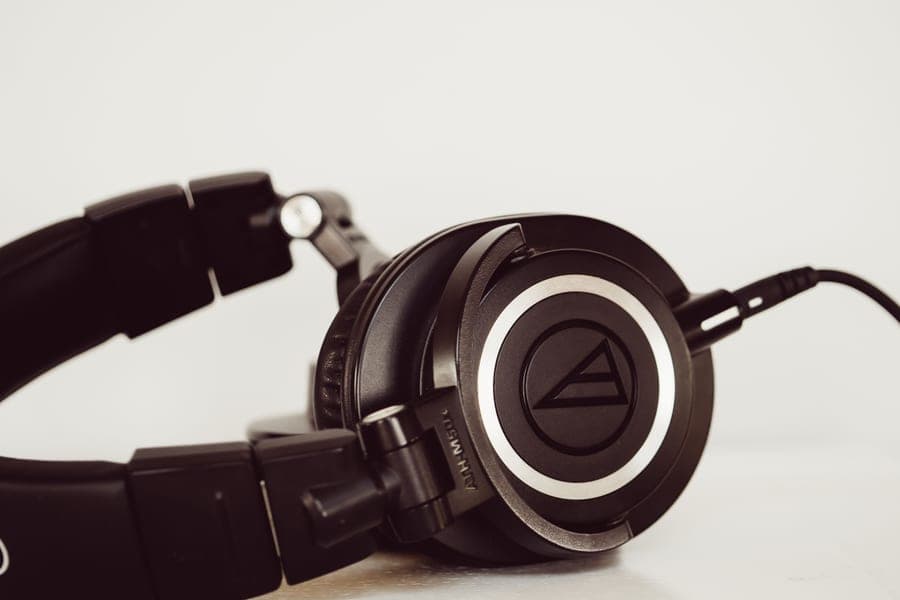 Bose QuietComfort Ultra Headphones (2nd Gen)The quietest cabin of anything here, and the only over-ear in this group whose box already contains the audio cable a seatback screen needs. | What canceling genuinely does for you | 9.09.0 out of 10, our editorial score |
#ad Amazon links are affiliate links. No live price is shown anywhere on this site, so every button reads “Check price on Amazon”. How this is funded.
The picks in full
Every pick, in detail
1. Certified protection with audio
3M WorkTunes Connect
A certified hearing protector that happens to stream Bluetooth, which is the right way round for a petrol mower. Noise canceling headphones protect nothing.
Our editorial score: 8.7 / 10
#ad Live price not shown. How this is funded
Also sold direct by 3M — we earn nothing there, so check both.
The product to buy when the noise is loud enough to do damage. 26 dB Noise Reduction Rating, which is a tested and certified figure rather than a marketing claim, with Bluetooth audio and an integrated microphone for calls.
40-plus rechargeable hours, water and sweat resistant, with auto shut-off and a low-battery indicator. This is the right answer for a mower, a leaf blower, a circular saw or a shop floor.
3M carries its own caution about relying on hearing protection in environments it is not rated for, and that caution is the point: a rating applies to a measured range, not to everything loud.
What works on a plane
- A published, certified 26 dB NRR rather than an uncertified marketing decibel figure
- 40+ rated hours outlasts any weekend of yard work by a wide margin
- Passive attenuation keeps working if the battery dies, which is the whole safety point
- Built for dust, sweat and being dropped on a driveway
What does not
- Bulky and warm — this is safety equipment, not a travel headphone
- Sound quality is adequate rather than good, which is the correct trade here
- 3M itself warns that real-world fit usually delivers less than the rated NRR
How it scores against the five travel axes
Published specifications
| Spec | Figure | Source |
|---|---|---|
| Noise Reduction Rating | 26 dB NRR | 3M product page |
| Battery | 40+ hours, rechargeable | 3M product page |
| Charging | USB-C | 3M product page |
| Connection | Bluetooth wireless, with integrated microphone for calls | 3M product page |
| Durability | Water and sweat resistant | 3M product page |
| Convenience | Auto shut-off and low-battery indicator | 3M product page |
| 3M's own caution | 3M recommends fit testing; many users receive less reduction than the NRR suggests | 3M product page |
2. If you want a volume ceiling too
ISOtunes LINK 2.0
The version of this idea with a hard limit built in: it caps its own output at 85 dB, so you cannot solve one hearing risk by creating another.
Our editorial score: 8.6 / 10
#ad Live price not shown. How this is funded
Also sold direct by ISOtunes — we earn nothing there, so check both.
The pick when you want protection from the environment and from yourself. 25 dB NRR, ANSI certified, OSHA and NIOSH compliant, with SafeMax capping output at 85 dB so you cannot raise your music past the level that does the damage.
Up to 50 hours of battery or AAA compatibility, Bluetooth 5.0 with dual pairing, IPX4, and a boom microphone. ISOtunes lists it at $129.99 at the time of writing.
The volume ceiling is the feature most people do not think to want and the one that matters most. Nearly all preventable hearing damage from headphones comes from the listener, not the surroundings.
What works on a plane
- An 85 dB output ceiling you cannot override, which is the feature most protectors omit
- ANSI certified with stated OSHA and NIOSH compliance, not a self-declared number
- Falls back to AAA batteries, so a dead charge does not end the job
- The boom microphone makes it usable as a work headset, not only as ear protection
What does not
- The 85 dB ceiling is deliberately restrictive, and some people will find it too quiet
- IPX4 handles rain and sweat but not a hose-down
- Costs more than a plain protector, and the extra buys compliance rather than sound
How it scores against the five travel axes
Published specifications
| Spec | Figure | Source |
|---|---|---|
| Noise Reduction Rating | 25 dB NRR, ANSI certified | ISOtunes |
| Compliance | OSHA and NIOSH compliant | ISOtunes |
| Volume limit | SafeMax caps output at 85 dB | ISOtunes |
| Battery | Up to 50 hours, or AAA compatible | ISOtunes |
| Bluetooth | 5.0, dual pairing | ISOtunes |
| Water resistance | IPX4 | ISOtunes |
| Microphone | Boom microphone | ISOtunes |
| List price | $129.99 at the time of writing | ISOtunes |
3. What canceling genuinely does for you
Bose QuietComfort Ultra Headphones (2nd Gen)
The quietest cabin of anything here, and the only over-ear in this group whose box already contains the audio cable a seatback screen needs.
Our editorial score: 9.0 / 10
#ad Live price not shown. How this is funded
Also sold direct by Bose — we earn nothing there, so check both.
Here as the right tool for the other job. On a plane or a train, the deepest low-frequency canceling on this site lets you listen at a far lower volume because you are no longer competing with the drone — and that is a real hearing benefit, just an indirect one.
Up to 30 rated hours with canceling on, 23 with Immersive Audio, up to 45 with canceling off, approximately 264 g as reported, and a 2.5 mm-to-3.5 mm cable in the box.
What it is not: certified protection. There is no Noise Reduction Rating on it, because no canceling product carries one. Do not take it to a workshop expecting a defender.
What works on a plane
- The best low-frequency canceling in this group, which is exactly the band engine drone lives in
- The 2.5 mm-to-3.5 mm cable is in the box, so a seatback screen needs nothing extra
- Compact hard case for a full-size over-ear
- Up to 45 hours with canceling off, if you only want isolation on a train
What does not
- Immersive Audio costs you a third of the battery, dropping to 23 rated hours
- Heavier than the Sony by roughly 10 g, and clamp is firmer out of the box
- The hard case is compact but still rigid, so it will not squash into a full bag
How it scores against the five travel axes
Published specifications
| Spec | Figure | Source |
|---|---|---|
| Battery, ANC on | Up to 30 hours | Bose |
| Battery, ANC off | Up to 45 hours | Bose |
| Battery, Immersive Audio on | Up to 23 hours | Bose |
| Weight | Approx. 264 g (9.3 oz) as reported | Published reviews |
| USB-C audio | 16-bit, 44.1 or 48 kHz lossless input | Bose support |
| In the box | Hard case, USB-C cable, 2.5 mm-to-3.5 mm audio cable | Bose |
| Folds | Earcups rotate flat into a compact hard case | Bose |
Read the full Bose QuietComfort Ultra Headphones (2nd Gen) review
Questions
Common questions
Do noise-canceling headphones protect your hearing?
Indirectly. They remove the background noise that makes you turn your music up, and listening volume is the main preventable cause of hearing damage. They are not hearing protection: no canceling product carries a certified Noise Reduction Rating, and they do little against sudden or broadband loud noise.
Can I use noise-canceling headphones instead of ear defenders for mowing?
No. A mower is loud enough to warrant certified protection, and its noise is broadband rather than the steady low-frequency sound canceling handles well. Use defenders with audio built in — rated at 25 to 26 dB NRR — rather than canceling headphones.
Do noise-canceling headphones protect hearing at concerts?
Not adequately. Concert levels are high and broadband, and canceling is weakest exactly there. Filtered musician earplugs reduce the level fairly evenly across the range, so the music stays intelligible while the exposure drops.
Why do noise-canceling headphones not have an NRR?
Because the rating is a test standard for passive hearing protectors, and an active electronic reduction that varies with frequency, battery state and fit does not fit that test. Manufacturers publish peak claims instead, which are not comparable with a certified figure.
What is the safest way to use headphones?
Keep the volume low enough that someone beside you cannot hear it, take breaks, and enable your phone’s output limit. In loud places use canceling or a good seal so you are not competing with the background, which is the mechanism that keeps your volume down without any willpower.
Sources
Where these figures come from
Read next
Related reading
- Noise-canceling headphones vs earplugs
Why one is certified and the other cannot be.
- Best noise-canceling headphones for mowing lawns
The rated-protection picks for yard and tool work.
- Are noise-canceling headphones bad for your ears?
The health question from the other direction.
- Active canceling vs passive isolation
Which mechanism reduces which part of the spectrum.