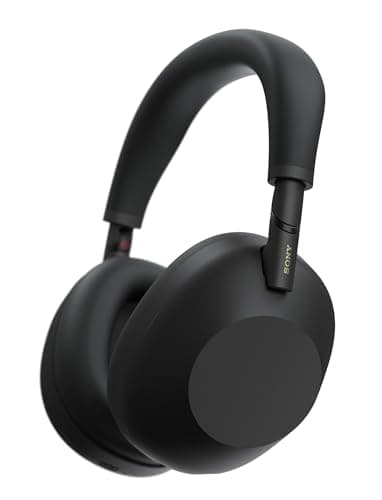
Best for Flights
Sony WH-1000XM6
The most complete travel headphone on sale: 254 g, 30 rated hours with noise canceling on, and it folds into a case small enough to stop being a decision.
Noise-canceling headphones, for travelers
Judged on cabin-noise reduction, rated battery with canceling on, fold size and case bulk, and whether the pads still feel fine at hour three. Every specification traced to its source. No prices we have not verified.

What won what
Each of these won a different page for a different reason. Follow the link to the comparison it won, where the reasoning and the sources are.
Best for Flights
The most complete travel headphone on sale: 254 g, 30 rated hours with noise canceling on, and it folds into a case small enough to stop being a decision.
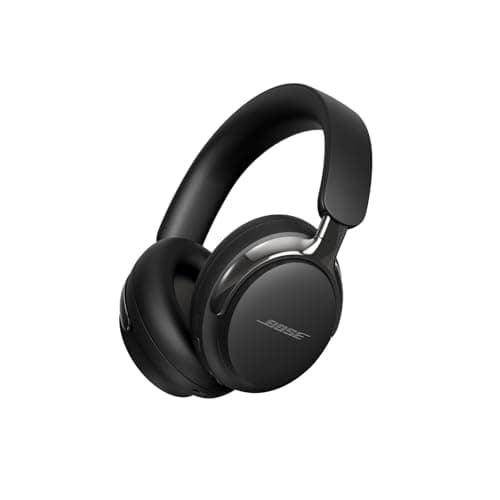
Best for Business Travel
The quietest cabin of anything here, and the only over-ear in this group whose box already contains the audio cable a seatback screen needs.
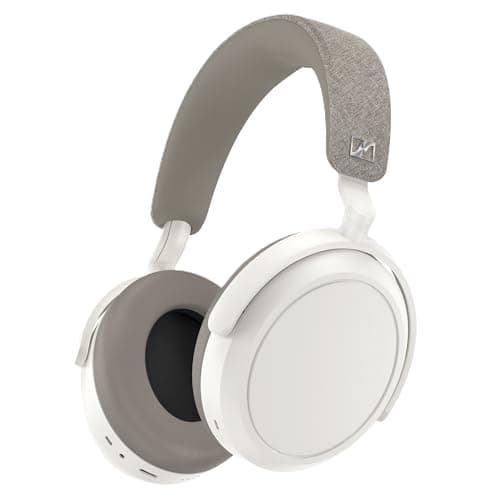
Best for Long-Haul
Sennheiser publishes up to 60 hours. That is the difference between charging at the gate and not thinking about a charger for an entire two-week trip.
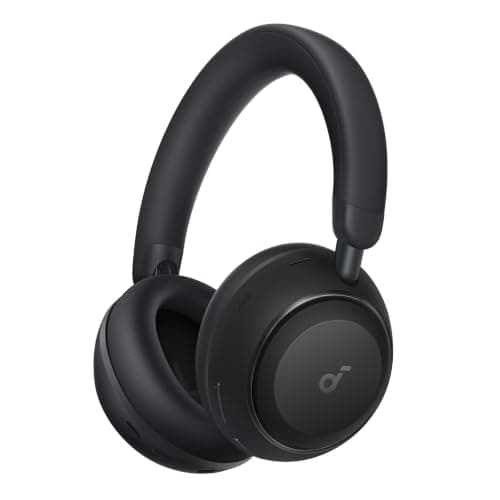
Best Budget
Fifty rated hours with canceling on, a 3.5 mm input and a case in the box, at a fraction of flagship money. The compromise is in the last 10 percent of quiet, not the first 80.
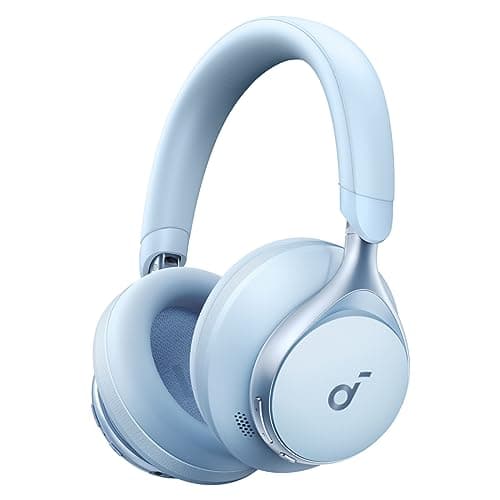
Best Under $100
The budget specification sheet that is genuinely hard to argue with: 40 rated hours with canceling on, LDAC, 40 mm drivers, a folding hinge and an aux cable in the box.
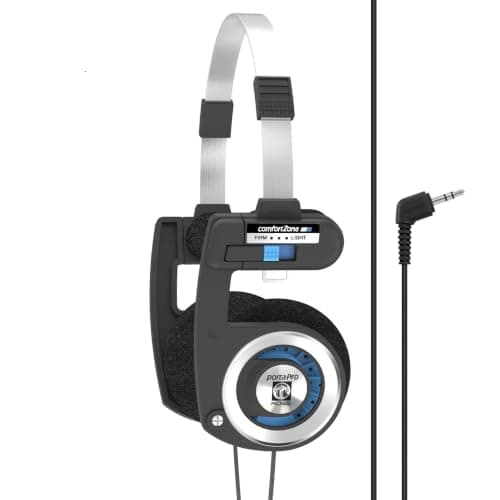
Best Under $50
A limited lifetime warranty on the cheapest over-ear here, which means the least expensive headphone on this site is also the one least likely to need replacing.
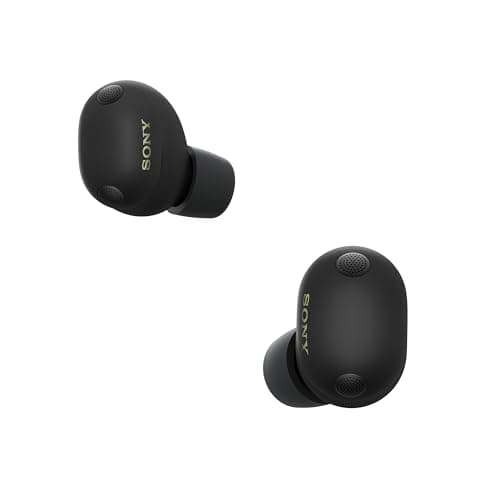
Best for Sleeping
Eight rated hours per bud and 24 with the case, at roughly 6.5 g each. The most sensible premium earbud for a flight, because you never have to plan around the battery.
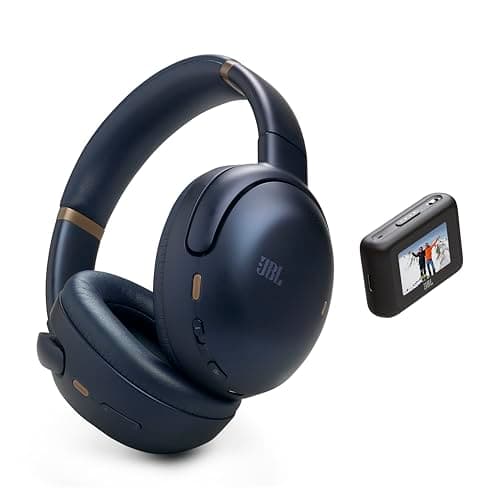
Longest Battery
The only headphone here that ships with the answer to the airline-jack problem in the box: the Smart Tx transmitter plugs into the seat and sends the movie to your headphones over Bluetooth.
Where to start
The money hub
Everything on this site starts from one seat: 31B, eight hours in, engines at cruise. These are the roundups that answer what to put on your head before you get there.
Open this section
The pocketable option
Earbuds trade a little quiet and a lot of battery for the ability to disappear into a pocket and to be worn lying on your side. For a great many travelers that is the better deal.
Open this section
The daily version
Most people spend far more hours in a train carriage or an open-plan office than in an aircraft cabin, and the noise is a completely different shape. These pages take that seriously.
Open this section
One model at a time
Eighteen current models, each assessed against the same five travel criteria, with every specification traced to the manufacturer or to a named published measurement.
Open this section
The direct answer
If you have narrowed it to two products, a ten-product roundup is the wrong page. These are spec matrices and scenario verdicts, and sometimes the honest verdict is that either is fine.
Open this section
The explainer layer
The questions people ask before they choose, answered in the first fifty words and then properly. No product pushing in the opener.
Open this section
Narrowed it to two?
Not one of the competitor pages we examined publishes a dedicated two-product comparison. If you have narrowed it to a pair, a ten-product roundup is the wrong page.
Bose vs Sony
Quietest cabin against lightest and most packable. A verdict per travel scenario, not a manufactured winner.
Read the guide
AirPods Max vs Sony
386.2 g and no fold against 254 g and a folding case. For flying, less close than it looks.
Read the guide
Sennheiser vs Sony
Sixty rated hours against thirty, and what you give up for them. Decided by how complicated your trips are.
Read the guide
How this site works
No lab, no test rig, no claim to have flown with the units. Every verdict is an attributed measurement, a quoted manufacturer spec, or a labeled editorial judgment.
Prices come from Amazon’s own data, refreshed daily and stamped with the date. When that stops, the numbers disappear rather than going stale.
A rating implies a measurement. Our per-axis scores are labeled as editorial judgments and are never marked up as product ratings in the page’s structured data.
Five axes, weighted, in the open: the methodology page states exactly how a pick gets to the top of a list.
Read these first
Best for Flights
The whole field, ranked for a cabin rather than a listening room. Start here if you only read one page.
See the picks
Form Factor Verdict
The form-factor decision on five axes, settled by the shape of your trip rather than by preference.
Read the guide
The division of labor
Active handles the low drone; the seal handles voices. Which one your problem needs decides where to spend.
Read the guide
Best for Seatback Screens
Three routes from a seatback screen to your own headphones, ranked. The cluster almost nobody covers properly.
See the picks
Latest
Funding
Hush & Haul earns a commission when you buy through the Amazon links on this site, at no extra cost to you. That is the whole business model — there is no sponsored content, no paid placement, and no brand has any say in what appears here or in what order.
Full affiliate disclosureEditorial policyMethodology
Published by Magoo Media Group. Written by Ryder M.