
The physics
How noise-canceling headphones work on a plane
Why cabin drone is nearly the ideal case for active canceling, and what the technology cannot touch.
The explainer layer
The questions people ask before they choose, answered in the first fifty words and then properly. No product pushing in the opener.

Of the nine competitor pages examined during research, only one had any explainer layer at all. Everyone publishes roundups; almost nobody answers the question the reader asked before they were ready for a roundup. That is the gap this hub fills.
The rule for every page here is the same: the answer comes first, in plain language, in the opening sentence. If the answer is “no”, the page starts with “No”. Burying it under three paragraphs of “in this comprehensive guide” is both bad writing and a forfeited featured snippet.
How it works
Two pages carry the technical load. How noise-canceling headphones work on a plane explains why the system is unusually effective against engine drone specifically, and active canceling versus passive isolation explains the division of labor — which is the single most useful thing to understand before spending money, because it tells you when a better algorithm will help and when only a better seal will.
Transparency mode versus noise canceling covers the other half of the daily question, and whether noise canceling is bad for your ears answers a worry that comes up constantly and is largely, though not entirely, unfounded.
On the plane
Looking after them
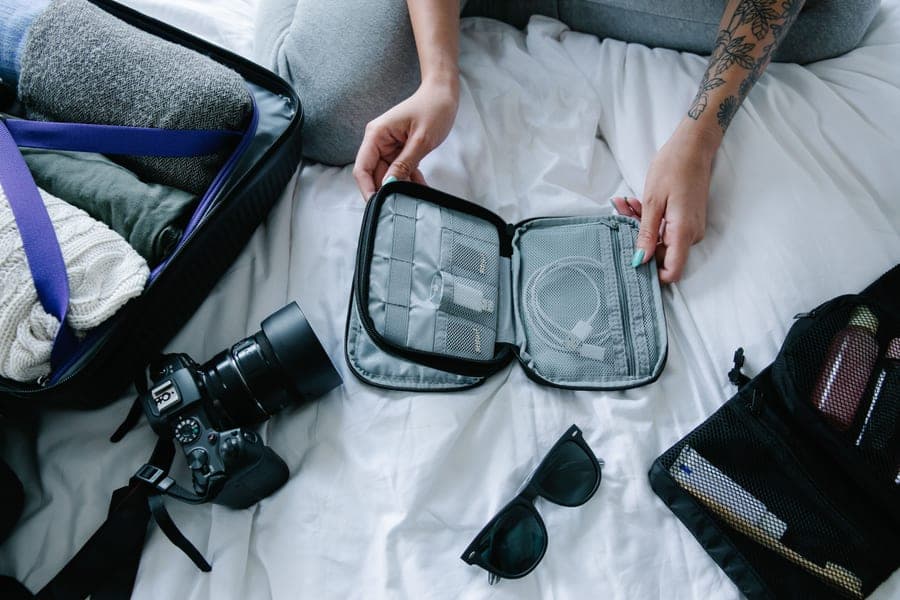
How to pack headphones for travel and how to clean headphone ear pads are the two maintenance pages. Both are genuinely stepwise, which is why they are the only guides on this site marked up as procedures. Pad condition in particular is worth more attention than it gets: perished pads lose the seal, and a lost seal costs you more canceling performance than any firmware update will ever give back.
Why these link out
Every page in this hub carries at least two contextual links into the roundups or reviews that the answer leads to, placed after the answer rather than in front of it. An explainer that ends without telling you where to go next has done half the job; one that opens with a product recommendation has done the wrong job entirely. If you have already read the explainer you needed, the two places to go are the flights roundup and the earbuds roundup.
Everything in this section
The physics
Why cabin drone is nearly the ideal case for active canceling, and what the technology cannot touch.

The division of labor
Active handles the low drone; the seal handles voices. Which one your problem needs decides where to spend.

The two modes
Canceling removes the world; transparency pipes it back in. When to use each, and why it is a safety feature.
The rules
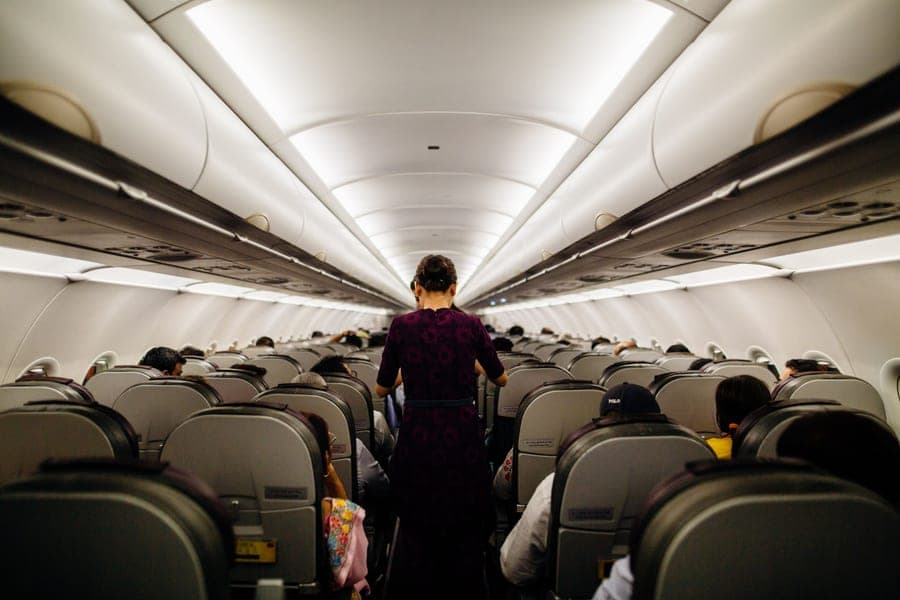
Yes, throughout the flight. Where the old restriction came from, and the one reasonable exception.
The explainer
Why the seat has nothing to pair with, what airlines are doing about it, and the three ways round it.
Correcting a premise
No — they work on sound, not air pressure. What actually helps with ear pain on descent, especially for a child.

The worry
Mostly no, and on a plane they protect your hearing. The real risk is volume, not the canceling.
Do the arithmetic
Longest leg plus layover plus gate, doubled for a round trip. Rated hours for every model, compared.
How-to
Six steps so headphones survive a trip, plus the one habit that protects a folding hinge.

How-to
Five steps to clean pads safely, and how to tell when the seal is gone and cleaning is no longer the answer.
Questions
That active canceling and passive isolation do different jobs. Active handles the low, steady drone; passive sealing handles voices and sharp sounds. Knowing which one your problem needs tells you whether to spend money on a flagship or on better ear tips.
Partially. A baby’s cry is deliberately pitched in the range human hearing is most sensitive to and active canceling is weakest in, so the reduction is far less than it is against engine noise. Good passive sealing plus audio does more than the algorithm does.
They link to the relevant roundups after answering the question, and the commercial guides carry picks. The answer always comes first — no guide here opens with a product.