
Generally no — active canceling tends to make wind noise worse rather than better. The system works by sampling outside noise with external microphones, and wind flowing over a microphone induces significant low-frequency noise directly on the diaphragm, which is the same band the canceling circuit is trying to work in. Switching canceling off, so you are relying on the passive seal, is almost always the improvement.
The mechanism
Why wind defeats the feature
Active canceling needs to hear the world before you do. A microphone on the outside of the earcup samples the ambient noise, the processor inverts it, and the driver plays the inverse so the two sum toward silence. That chain has one unavoidable weak point: the microphone has to be exposed to the air.
Air in motion does something to a microphone that sound does not. Patent literature on microphone wind screening describes it directly: wind flowing over a microphone induces significant amounts of low frequency noise by creating a sustained sound pressure level on the diaphragm, and at high wind velocities the airflow introduces velocity and turbulence inside the microphone input hole itself. The microphone is not hearing wind; it is being pushed around by it.
Two consequences follow, and both are bad:
- The noise is in the wrong band. It is low-frequency, which is exactly the band the canceling system is designed to act on. So the processor does act on it, and plays an inverse of a signal that only exists at the microphone, not at your ear.
- The signal is enormous. A sustained pressure on the diaphragm can swamp the actual ambient sample, so the system is working from corrupted input. That is why wind roar through a canceling headphone often sounds louder and more unpleasant than wind through a passive one.
If the physics of the normal case is useful background, how noise-cancelling headphones work on a plane covers why the same system is so effective against engine drone, which is the opposite situation: a steady acoustic signal that is genuinely present at both the microphone and your ear.
A plane is a sound the microphone hears. Wind is a force the microphone feels. The circuit cannot tell the difference.
Why screens help
What manufacturers can do about it
The engineering answer is a windscreen: spread the incoming airflow over a larger surface so no single opening takes the full pressure. The same patent describes expanding a single microphone input hole into a mesh or screen of holes, combined with felt or open-cell foam, and reports wind noise rejection of more than 10 dB in wind speeds over 25 km/h.
That is a real improvement and it is also the ceiling of what a headphone can do. Ten decibels is meaningful; it is not the thirty or forty decibels of reduction people expect from a canceling product. Some headphones also offer a software wind-reduction mode, which generally works by reducing how aggressively the external microphones are used — in other words, by partially turning the feature off on your behalf.
What to do
Five things that actually help in wind
- Turn canceling off. The single most effective change, and it is free. A well-sealed passive earcup in moving air outperforms the same earcup with its canceling circuit fighting turbulence.
- Turn transparency or ambient mode off too. This is the mode that deliberately amplifies the external microphones, so it is the worst possible setting in wind. If you do not know the difference, transparency mode vs noise canceling sets it out.
- Use a sealed in-ear rather than an over-ear. Less surface area in the airflow, and the outer ear itself provides some shelter.
- Turn your head, or wear a hat. Unserious-sounding and genuinely effective: anything that breaks the airflow before it reaches the microphone openings works, which is the whole principle behind a windscreen.
- If the job is outdoors and loud, buy a protector with an NRR. Passive reduction is immune to wind. A certified 25 or 26 dB NRR is the only number in this category you can rely on.
The comparison
Passive reduction against active, outdoors
| Reduction, as published | Affected by wind? | Battery | Water rating | |
|---|---|---|---|---|
| 3M WorkTunes Connect | 26 dB NRR, certified | No, passive | 40+ h | Water and sweat resistant |
| ISOtunes LINK 2.0 | 25 dB NRR, ANSI certified | No, passive | up to 50 h, or AAA | IPX4 |
| Soundcore Space Q45 | No figure published | Yes, with canceling on | 50 h on, 65 h off | Not published |
| Sony WF-1000XM6 | No figure published | Yes, with canceling on | 8 h per bud, 24 h total | IPX4 |
| Shokz OpenRun Pro 2 | None, open-ear by design | Yes, badly | up to 12 h | IP55 |
The pattern is the point. Everything with a certified number is passive, and everything passive is indifferent to wind. Everything with active canceling has no certified number and gets worse when the air moves.
Where this bites
The three situations people actually ask about
Yard work and machinery
Wind plus a two-stroke engine plus hours of exposure. This is a hearing-protection problem before it is an audio problem, and it is covered properly in best noise-cancelling headphones for mowing lawns, which ranks the certified protectors rather than the consumer headphones.
Cycling and running
Self-generated wind at 25 to 40 km/h, continuously, directly into whatever is on your head. Any canceling headphone is the wrong tool here, and an open-ear design that does not try to cancel anything is the usual answer — see best headphones for running. Note that open-ear designs are not immune to wind noise either; they simply are not making it worse with a canceling circuit.
A windy platform or a ferry deck
Intermittent, and the right response is a setting change rather than a purchase. Canceling off while you are exposed, back on once you are inside. On a train this is the same headphone doing both jobs well — best headphones for train travel covers the inside half.
In short
Key takeaways
- Wind flowing over a microphone creates a sustained low-frequency pressure on the diaphragm, not a sound.
- That is the same band active canceling works in, so the circuit amplifies the problem.
- Turning canceling off, and transparency mode off, is the most effective free fix.
- A mesh windscreen can reject more than 10 dB in winds over 25 km/h, which is the engineering ceiling.
- Passive hearing protectors with a certified NRR of 25 or 26 dB are unaffected by wind.
- A sealed in-ear handles moving air better than an over-ear, because less surface sits in the airflow.
At a glance
Quick picks
Scores are our editorial judgment from published specifications and cited third-party measurements, not our own testing. The rubric is published in full. Tap any row for the full write-up.
| # | Product | Best for | Score | Price |
|---|---|---|---|---|
| 1 | 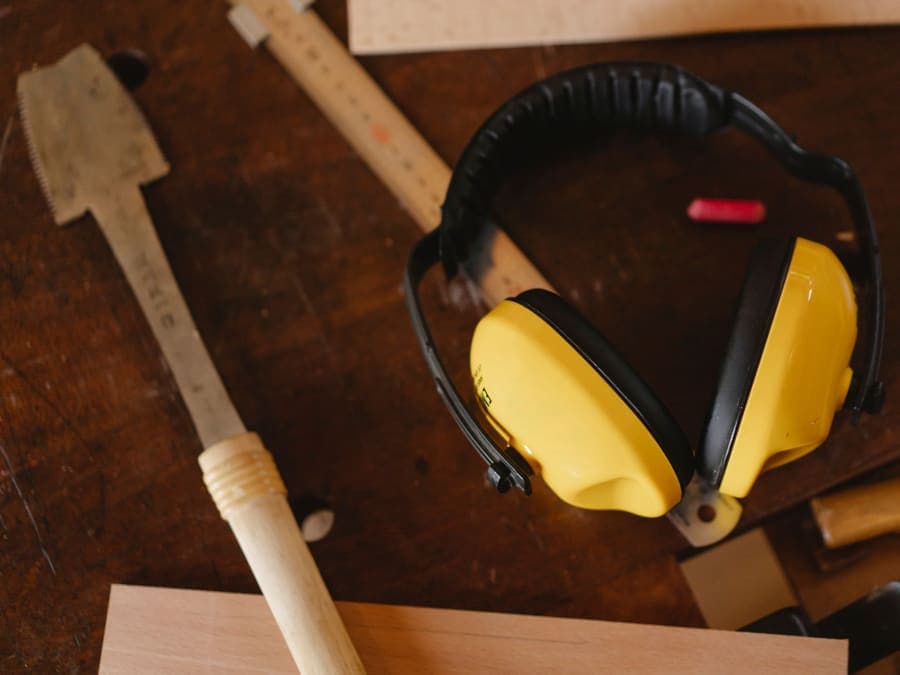 3M WorkTunes ConnectA certified hearing protector that happens to stream Bluetooth, which is the right way round for a petrol mower. Noise canceling headphones protect nothing. | Best for genuinely windy outdoor work | 8.78.7 out of 10, our editorial score | |
| 2 | 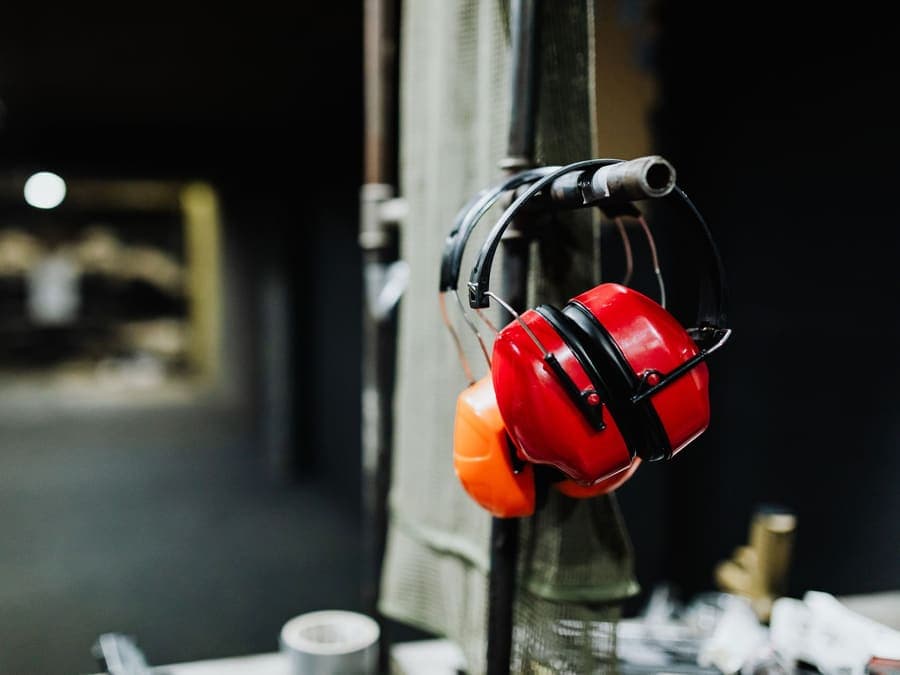 ISOtunes LINK 2.0The version of this idea with a hard limit built in: it caps its own output at 85 dB, so you cannot solve one hearing risk by creating another. | Best certified protector with a volume ceiling | 8.68.6 out of 10, our editorial score | |
| 3 | 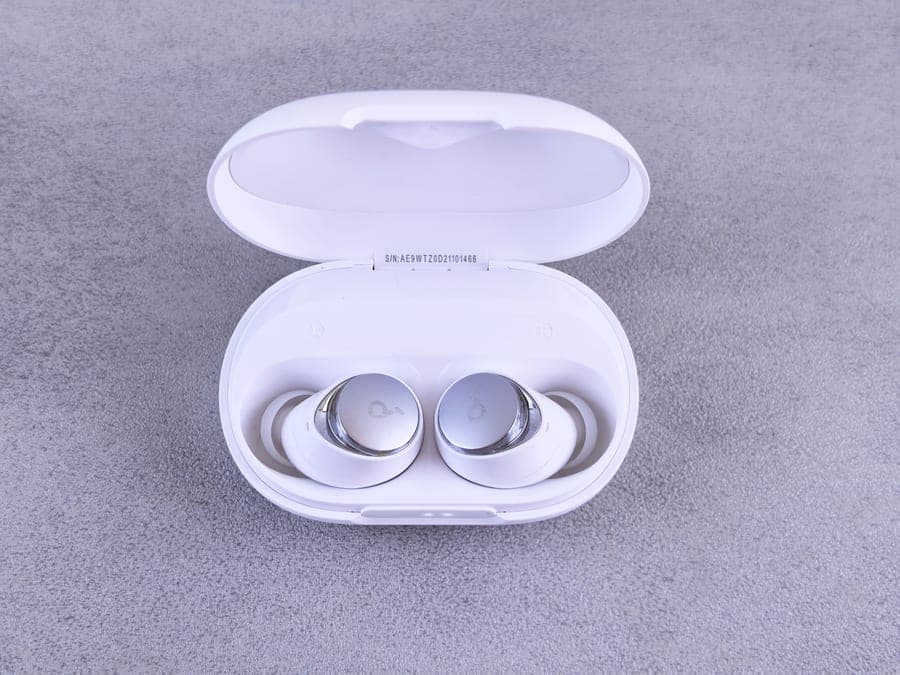 Sony WF-1000XM6Eight rated hours per bud and 24 with the case, at roughly 6.5 g each. The most sensible premium earbud for a flight, because you never have to plan around the battery. | Best consumer option in moving air | 8.98.9 out of 10, our editorial score | |
| 4 | 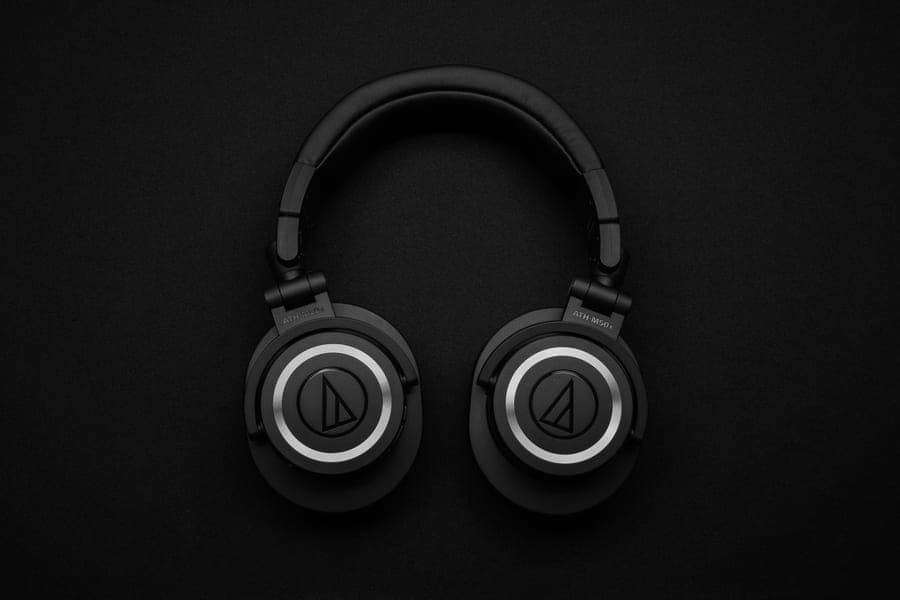 Soundcore Space Q45Fifty rated hours with canceling on, a hard case and a 3.5 mm cable in the box, at a fraction of flagship money. The compromise is in the last 10 percent of quiet, not the first 80. | Best if you want to keep the battery and drop the canceling | 8.28.2 out of 10, our editorial score |
#ad Amazon links are affiliate links. No live price is shown anywhere on this site, so every button reads “Check price on Amazon”. How this is funded.
The picks in full
Every pick, in detail
1. Best for genuinely windy outdoor work
3M WorkTunes Connect
A certified hearing protector that happens to stream Bluetooth, which is the right way round for a petrol mower. Noise canceling headphones protect nothing.
Our editorial score: 8.7 / 10
#ad Live price not shown. How this is funded
Also sold direct by 3M — we earn nothing there, so check both.
The right answer when the noise is outdoors and constant. This is a hearing protector with Bluetooth in it rather than a canceling headphone, so there is no feed-forward microphone for the wind to overwhelm — the reduction is entirely passive and does not care how hard it is blowing.
26 dB Noise Reduction Rating, 40+ rated hours, USB-C charging, water and sweat resistant, with auto shut-off and a low-battery indicator. The NRR is a standardized, certified figure, which makes it the only reduction number on this site you can compare to anything.
3M publishes its own caution and it belongs here: 3M recommends fit testing, because many users receive less reduction than the NRR suggests. Read that as a reason to wear it properly, not as a reason to distrust the rating.
What works on a plane
- A published, certified 26 dB NRR rather than an uncertified marketing decibel figure
- 40+ rated hours outlasts any weekend of yard work by a wide margin
- Passive attenuation keeps working if the battery dies, which is the whole safety point
- Built for dust, sweat and being dropped on a driveway
What does not
- Bulky and warm — this is safety equipment, not a travel headphone
- Sound quality is adequate rather than good, which is the correct trade here
- 3M itself warns that real-world fit usually delivers less than the rated NRR
How it scores against the five travel axes
Published specifications
| Spec | Figure | Source |
|---|---|---|
| Noise Reduction Rating | 26 dB NRR | 3M product page |
| Battery | 40+ hours, rechargeable | 3M product page |
| Charging | USB-C | 3M product page |
| Connection | Bluetooth wireless, with integrated microphone for calls | 3M product page |
| Durability | Water and sweat resistant | 3M product page |
| Convenience | Auto shut-off and low-battery indicator | 3M product page |
| 3M's own caution | 3M recommends fit testing; many users receive less reduction than the NRR suggests | 3M product page |
2. Best certified protector with a volume ceiling
ISOtunes LINK 2.0
The version of this idea with a hard limit built in: it caps its own output at 85 dB, so you cannot solve one hearing risk by creating another.
Our editorial score: 8.6 / 10
#ad Live price not shown. How this is funded
Also sold direct by ISOtunes — we earn nothing there, so check both.
25 dB NRR, ANSI certified, OSHA and NIOSH compliant, and a SafeMax limiter that caps output at 85 dB. That last figure is the one that matters in wind, because the reflex response to wind roar is to turn the volume up, and 85 dB is exactly where NIOSH sets its recommended exposure limit over an eight-hour day.
Up to 50 rated hours, or it will run on AAA cells, which is the specification that makes it usable on a long day away from power. Bluetooth 5.0 with dual pairing, IPX4, a boom microphone, and a $129.99 list price at the time of writing.
It is a work product and it looks like one. For a commute or a flight it is the wrong purchase; for a windy afternoon behind a machine it is the correct one.
What works on a plane
- An 85 dB output ceiling you cannot override, which is the feature most protectors omit
- ANSI certified with stated OSHA and NIOSH compliance, not a self-declared number
- Falls back to AAA batteries, so a dead charge does not end the job
- The boom microphone makes it usable as a work headset, not only as ear protection
What does not
- The 85 dB ceiling is deliberately restrictive, and some people will find it too quiet
- IPX4 handles rain and sweat but not a hose-down
- Costs more than a plain protector, and the extra buys compliance rather than sound
How it scores against the five travel axes
Published specifications
| Spec | Figure | Source |
|---|---|---|
| Noise Reduction Rating | 25 dB NRR, ANSI certified | ISOtunes |
| Compliance | OSHA and NIOSH compliant | ISOtunes |
| Volume limit | SafeMax caps output at 85 dB | ISOtunes |
| Battery | Up to 50 hours, or AAA compatible | ISOtunes |
| Bluetooth | 5.0, dual pairing | ISOtunes |
| Water resistance | IPX4 | ISOtunes |
| Microphone | Boom microphone | ISOtunes |
| List price | $129.99 at the time of writing | ISOtunes |
3. Best consumer option in moving air
Sony WF-1000XM6
Eight rated hours per bud and 24 with the case, at roughly 6.5 g each. The most sensible premium earbud for a flight, because you never have to plan around the battery.
Our editorial score: 8.9 / 10
#ad Live price not shown. How this is funded
Also sold direct by Sony — we earn nothing there, so check both.
If you want a normal pair of earbuds that handles wind better than a normal pair of over-ears, the form factor is the reason to pick this one: a sealed in-ear sits inside the ear’s own natural windbreak, where an over-ear earcup presents a large flat surface to the airflow.
Approximately 6.5 g per bud with the medium tips, up to 8 rated hours per bud and up to 24 with the case, IPX4, an 8.4 mm driver, and the HD Noise Canceling Processor QN3e with dual processors and eight microphones.
It still has external microphones, so it is still susceptible. The practical move is the same as on any pair: switch canceling off when the wind picks up and let the seal do the work.
What works on a plane
- Eight rated hours per charge clears most short-haul flights without touching the case
- 24 hours total with the case is the strongest reserve in the premium earbud set
- LDAC means it is not tied to one phone platform
- Roughly 6.5 g per bud effectively disappears when you are trying to sleep on your side
What does not
- Canceling is excellent but the Bose still takes the low-frequency band
- No wired fallback at all, so a seatback screen needs a transmitter
- IPX4 is splash resistance, not weather resistance
How it scores against the five travel axes
Published specifications
| Spec | Figure | Source |
|---|---|---|
| Battery, earbuds | Up to 8 hours | Sony |
| Total with case | Up to 24 hours (16 from the case) | Sony |
| Weight | Approx. 6.5 g per bud with M tips | Sony |
| Driver | 8.4 mm | Sony |
| Bluetooth | 5.3 | Sony |
| Codecs | SBC, AAC, LDAC, LC3 | Sony |
| Water resistance | IPX4 | Sony |
| Processor | HD Noise Canceling Processor QN3e, dual processors, eight microphones | Sony |
4. Best if you want to keep the battery and drop the canceling
Soundcore Space Q45
Fifty rated hours with canceling on, a hard case and a 3.5 mm cable in the box, at a fraction of flagship money. The compromise is in the last 10 percent of quiet, not the first 80.
Our editorial score: 8.2 / 10
#ad Live price not shown. How this is funded
Also sold direct by Soundcore — we earn nothing there, so check both.
The pragmatic consumer pick, and the reason is the second battery figure. Up to 50 rated hours with canceling on and up to 65 with it off — so switching canceling off outdoors, which is what you should be doing in wind anyway, buys you fifteen extra hours rather than costing you anything.
Approximately 292 to 295 g, 161 x 190 x 88 mm, 40 mm double-layer drivers, Bluetooth 5.3, five minutes of charge for four hours, and a hard-shell case with a 3.5 mm cable and a USB-C cable.
With canceling off it is a well-sealed passive over-ear, which is exactly the right tool in moving air. The limit is that it does not publish an NRR, so there is no certified number for how much it blocks.
What works on a plane
- Up to 50 rated hours with canceling on, which beats every flagship here
- Hard case and 3.5 mm cable included, so nothing else to buy for a seatback screen
- Five minutes of charge buys four hours, which covers a gate-side mistake
- The cheapest way to get genuinely useful drone reduction on a plane
What does not
- Soundcore's own 98 percent figure is a marketing claim, not a measurement, and the gap to Bose is audible
- 295 g with plainer pad materials, so hour four is less comfortable than the Sennheiser's
- Plastic build will not survive being crushed in an overhead bin the way the metal Apple would
How it scores against the five travel axes
Published specifications
| Spec | Figure | Source |
|---|---|---|
| Battery, ANC on | Up to 50 hours | Soundcore |
| Battery, ANC off | Up to 65 hours | Soundcore |
| Quick charge | 5 minutes gives 4 hours | Soundcore |
| Weight | Approx. 295 g (10.3 oz) | Soundcore / published reviews |
| Bluetooth | 5.3 | Soundcore |
| In the box | Hard-shell case, 3.5 mm cable, USB-C cable | Soundcore |
Questions
Common questions
Do noise-cancelling headphones work in wind?
Not well. The external microphones the system depends on are physically pushed by moving air, which creates a large low-frequency signal that the canceling circuit then tries to act on. Most people find wind roar is worse with canceling on than with it off.
Why do my headphones make a roaring sound in the wind?
Because the wind is hitting the canceling microphones rather than being heard by them. Turbulence at the microphone opening generates a sustained pressure on the diaphragm, which the headphone reproduces as roar. Switching canceling off normally removes it immediately.
Is there a wind reduction mode, and does it help?
Some manufacturers offer one, and it generally works by using the external microphones less aggressively — effectively turning the feature down for you. It helps, within the limits of what a screen and some processing can achieve, which published engineering work puts at upwards of 10 dB of rejection rather than the tens of decibels canceling achieves indoors.
What headphones are best for windy conditions?
A passive hearing protector if the environment is loud and outdoors — the 3M WorkTunes Connect at 26 dB NRR or the ISOtunes LINK 2.0 at 25 dB NRR, both certified figures that wind cannot affect. For normal listening, a sealed in-ear with canceling switched off.
Do earbuds handle wind better than over-ear headphones?
Usually yes, for two reasons: an earcup presents a large flat surface to the airflow, and the outer ear gives a bud some natural shelter. Open-ear and bone-conduction designs are the worst of all in wind, because nothing is covering the ear at all.
Sources
Where these figures come from
- US10631073B2, Microphone housing with screen for wind noise reduction (wind-induced low-frequency noise at the diaphragm, turbulence in the input hole, mesh screen rejection over 10 dB above 25 km/h)
- CDC / NIOSH, About noise and hearing loss (recommended exposure limit of 85 dBA over an eight-hour workday)
- 3M WorkTunes Connect product page (26 dB NRR, 40+ hours, USB-C, 3M's fit-testing caution)
- ISOtunes LINK 2.0 product page (25 dB NRR ANSI certified, OSHA and NIOSH compliance, SafeMax 85 dB cap, battery, IPX4, list price)
- Soundcore Space Q45 product page (50 h canceling on, 65 h off, dimensions, drivers, Bluetooth 5.3)
- Sony WF-1000XM6 specifications (weight per bud, battery, IPX4, driver, processor and microphones)
Read next
Related reading
- Best noise-cancelling headphones for mowing lawns
The certified protectors, for when outdoors is also loud.
- Transparency mode vs noise canceling
The mode that makes wind worst of all, and why.
- ANC vs passive noise isolation
Which band each approach handles, and where the seal takes over.
- Best headphones for running
Self-generated wind, continuously, for an hour.