Best for Commuting
The best noise-canceling headphones for commuting
Why commuting inverts the flying priorities, and which headphones handle transient noise and constant mode-switching.
The daily version
Most people spend far more hours in a train carriage or an open-plan office than in an aircraft cabin, and the noise is a completely different shape. These pages take that seriously.
Cabin noise is steady. That is what makes it easy to cancel: a continuous low-frequency drone is close to the ideal case for an active system, because the algorithm can lock onto something that is not changing. Almost none of the noise in a commute behaves that way.
A subway is a sequence of transients — brake squeal, door chimes, rail joints, announcements. An open-plan office is dominated by speech, which sits in the 500 Hz to 4 kHz range where active canceling is least effective and passive isolation does most of the work. A long drive is somewhere in between: road and wind noise are broadband, so a good system helps a lot, but you need to hear enough of the world to drive safely.
This matters because the headphone that wins on a plane is not automatically the headphone that wins here. For speech, a firm seal and a well-implemented transparency mode are worth more than the deepest low-frequency canceling on the market.
Three different problems
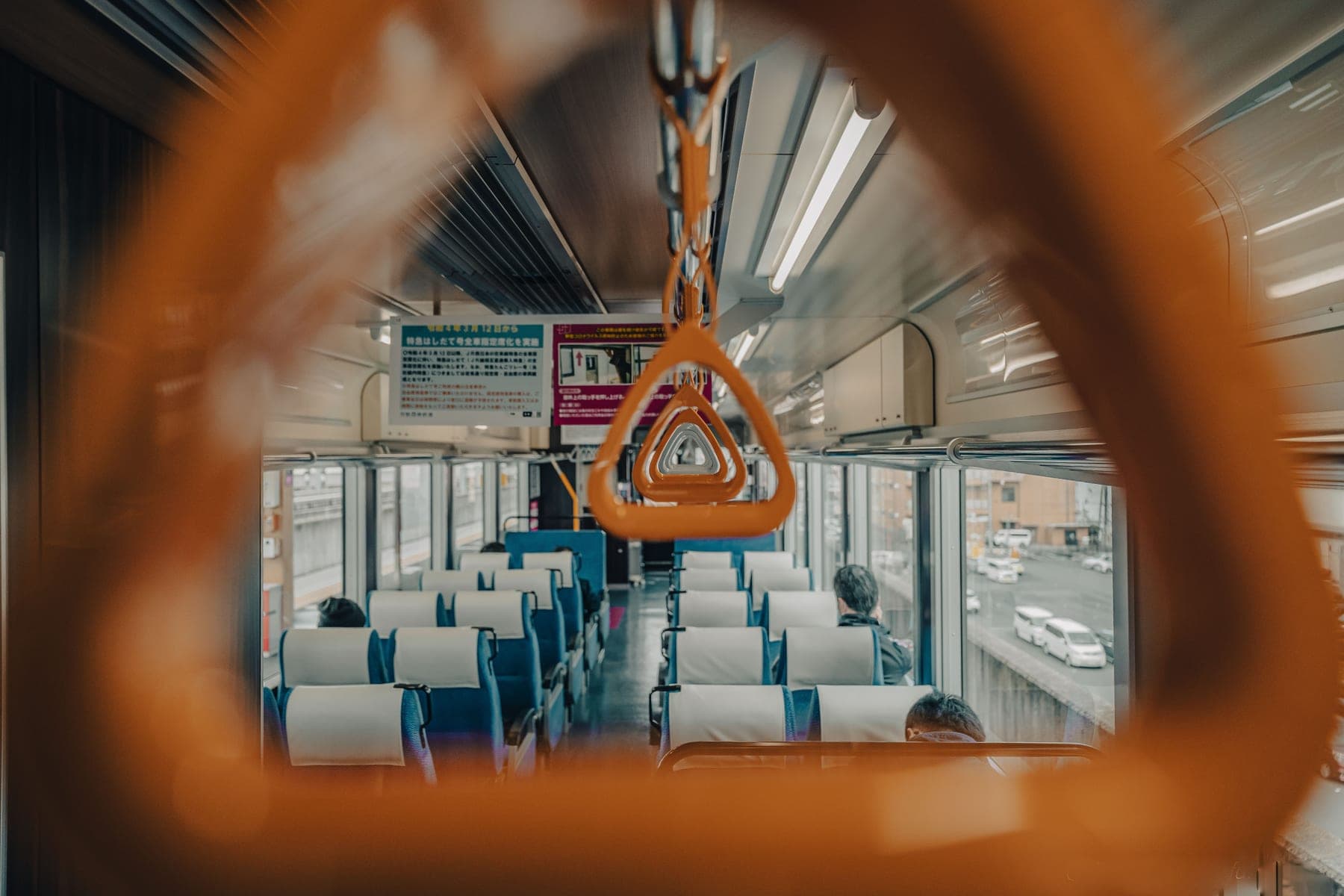
The closest thing to a plane, and the place active canceling earns its money on a daily basis. Steady rolling noise plus intermittent transients. What you want is strong low-band canceling plus a transparency mode you can trigger fast, because you need to hear your stop. Best headphones for train travel goes further on long-distance rail, where comfort starts to matter as much as it does on a flight.
Here the noise is people, and people are the hardest thing to cancel. Physical isolation — how well the pads seal — carries more of the load than the active system does. If the job is also taking calls, microphone quality and sidetone become the deciding specs rather than canceling at all. Those are genuinely different priorities, which is why the open-plan roundup and the office-calls roundup are two pages and not one.
A passenger on a long drive wants what a long-haul flier wants: battery, comfort, and a broadband reduction of road and wind noise. A driver is a different matter — situational awareness is a safety requirement, and in many places wearing headphones while driving is restricted or illegal. Best headphones for road trips treats those as separate cases.
What to buy first
If your commute is rail or subway and you also fly a few times a year, buy for the plane and you will be well served on the train — start from the flights roundup. If your hours are overwhelmingly in an office, buy for isolation and call quality instead, and pay attention to whether you can wear the thing for a full working day without heat becoming the problem.
Battery is a far smaller consideration than it is for flying, because you are near a charger every night. That makes the budget case stronger here: fifty rated hours is a luxury on a plane and an irrelevance on a commute, so the money is better spent on pad comfort and microphones.
Expecting active canceling to remove a conversation. It will not, and no headphone on the market will, because speech lives in the wrong part of the spectrum for the technology. What actually works against a talkative office is a good passive seal plus something to listen to. If you want silence rather than masking, the honest answer is that you want a better seal, not a better algorithm — active canceling versus passive isolation explains where the boundary falls, and transparency mode versus noise canceling covers the other half of the daily problem.
Everything in this section
Best for Commuting
Why commuting inverts the flying priorities, and which headphones handle transient noise and constant mode-switching.
Best for Train Travel
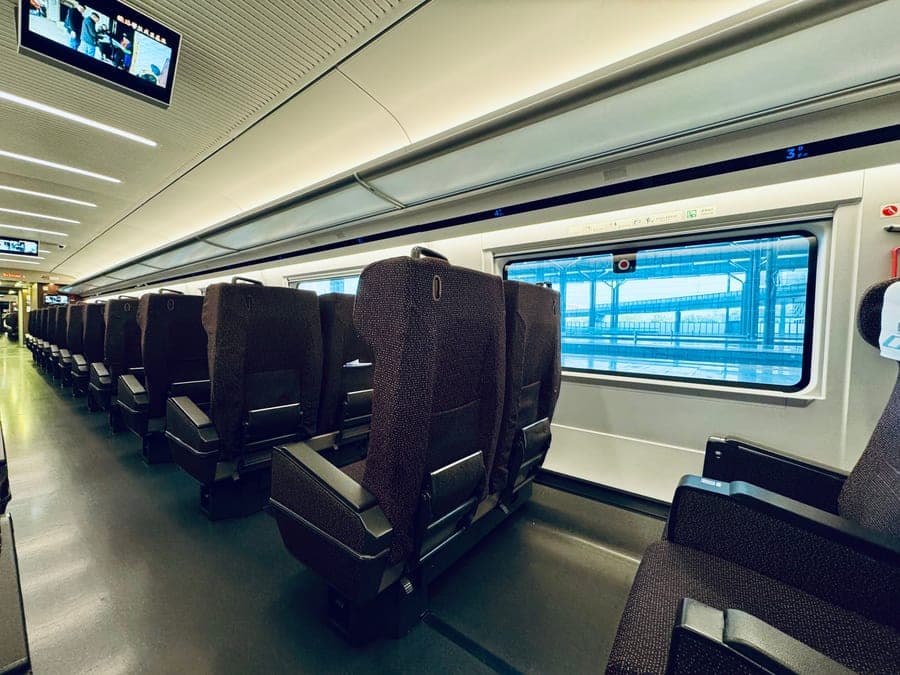
Long-distance rail sits between a flight and a commute. What the power socket at your table changes.

Best for Open-Plan
Speech is what active canceling cannot remove. Which headphones seal best, and what a full working day demands.

Best for Calls
For calls the microphones and sidetone decide it, not canceling depth. Why the usual ranking reverses.

Best for Road Trips
Passengers and drivers need different answers, and only one of them is headphones. Both treated separately.

Best for Remote Work
Home noise is unpredictable and the days are long. Why comfort outranks canceling depth for remote work.
Questions
Yes, for the steady rolling and rail noise, which is most of the volume. They do far less about brake squeal, door chimes and announcements, because those are short transients rather than continuous tones. The practical result is a much quieter ride with the sharp edges still audible — which is arguably what you want when you need to hear your stop.
Not really. Speech sits in the frequency range where active canceling is weakest, so what reduces it is the physical seal of the earcup plus whatever you are playing. Headphones marketed for open-plan work tend to win on pad sealing and clamp, not on canceling depth.
As a passenger, freely. As a driver, check your local law — in many jurisdictions it is restricted or prohibited, and situational awareness is a genuine safety issue regardless of legality. For drivers, the car stereo is the right answer and a Bluetooth receiver is the right accessory.