For adjustable deep bass, the Skullcandy Crusher ANC 2 is the clear pick: it has two 40 mm full-range drivers plus separate sensory-bass drivers on a slider, with presets at 20, 50 and 80 percent, and is rated at up to 50 hours with canceling on. For bass on a commute specifically, the Sony WH-1000XM6 wins instead, because the deepest noise canceling clears the 50 to 300 Hz band that engine drone and your bassline share.
The real mechanism
Seal decides your bass, not the driver
Bass is the part of the spectrum most sensitive to leaks. A gap of a millimeter between the pad and your head, or a badly sized ear tip, removes more low end than the difference between a 40 mm and a 42 mm driver ever will.
- Glasses break the seal at the temple, which is why the glasses-wearers page exists at all.
- Ear tips are the whole game on earbuds. A tip one size up usually adds more bass than any EQ setting.
- Warm pads compress and change the seal over a long session, so the sound you judge at minute two is not the sound at hour two.
The cheapest bass upgrade available is a better seal, and it costs nothing. The second cheapest is the right ear tip.
Two different things
Deep bass and loud bass are not the same request
| What you want | What to buy |
|---|---|
| Bass you can feel in your jaw | The Crusher ANC 2, with the slider up. Nothing else here does this |
| Bass that goes genuinely low and stays clean | The MOMENTUM 4, for the 42 mm transducer and the gentle clamp |
| Bass that survives a train carriage | The Sony, because canceling clears the band your bass lives in |
| Bass without a battery | A wired in-ear with a proper tip seal — see headphones vs IEMs |
| More bass from what you already own | A better seal, then an EQ. In that order |
The overlap problem
Why your bass disappears on a commute
A diesel engine, a rail bogie and an aircraft at cruise all put most of their energy into roughly 50 to 300 Hz. That is the same region as a kick drum and a bass guitar. The noise does not sit politely underneath your music; it occupies the same seats.
Turning the volume up is the instinctive fix and the wrong one, because it raises the whole mix against a noise floor you have not touched. Removing the noise first is what actually returns the low end — how noise canceling works on a plane explains why that band specifically is the one canceling is good at.
A note on the slider
What the sensory bass actually is
It is haptic, not acoustic
The extra drivers in the Crusher produce vibration you feel as much as sound you hear. At low settings it thickens the low end convincingly. At the top of the range it is a physical effect, and describing it as better sound quality would be dishonest.
Turn it down for anything with vocals
The effect is tuned for electronic music and hip-hop and it does not flatter a podcast, an acoustic record or a film. That is precisely why having the wheel beats having a fixed bass-heavy tuning.
In short
Key takeaways
- Skullcandy Crusher ANC 2: two 40 mm drivers plus separate sensory-bass drivers on an adjustable slider, up to 50 hours with canceling on.
- Sony WH-1000XM6 wins for bass on a commute, because canceling clears the same 50-300 Hz band your bassline occupies.
- Sennheiser MOMENTUM 4 has the largest transducer here at 42 mm, for depth without the haptic effect.
- Seal decides bass more than driver size does. A better ear tip is the cheapest upgrade there is.
- Sensory bass at the top of the slider is a physical sensation, not better sound.
At a glance
Quick picks
Scores are our editorial judgment from published specifications and cited third-party measurements, not our own testing. The rubric is published in full. Tap any row for the full write-up.
| # | Product | Best for | Score | Price |
|---|---|---|---|---|
| 1 | 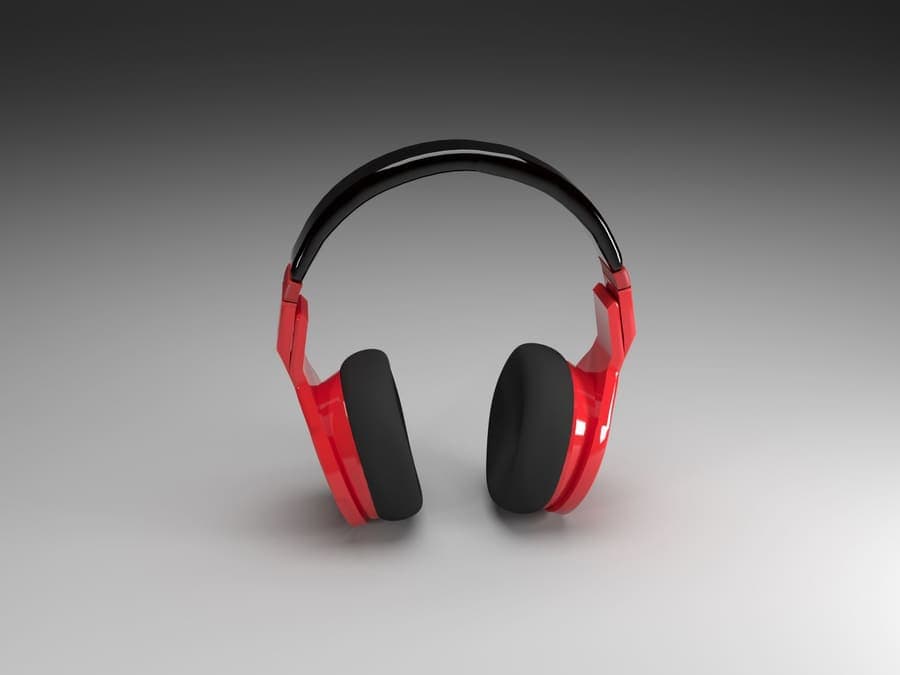 Skullcandy Crusher ANC 2The only headphone here with a bass slider rather than a bass EQ: dedicated haptic drivers you can dial from nothing to physical, on top of two 40 mm full-range drivers. | Best for adjustable deep bass | 8.38.3 out of 10, our editorial score | |
| 2 | 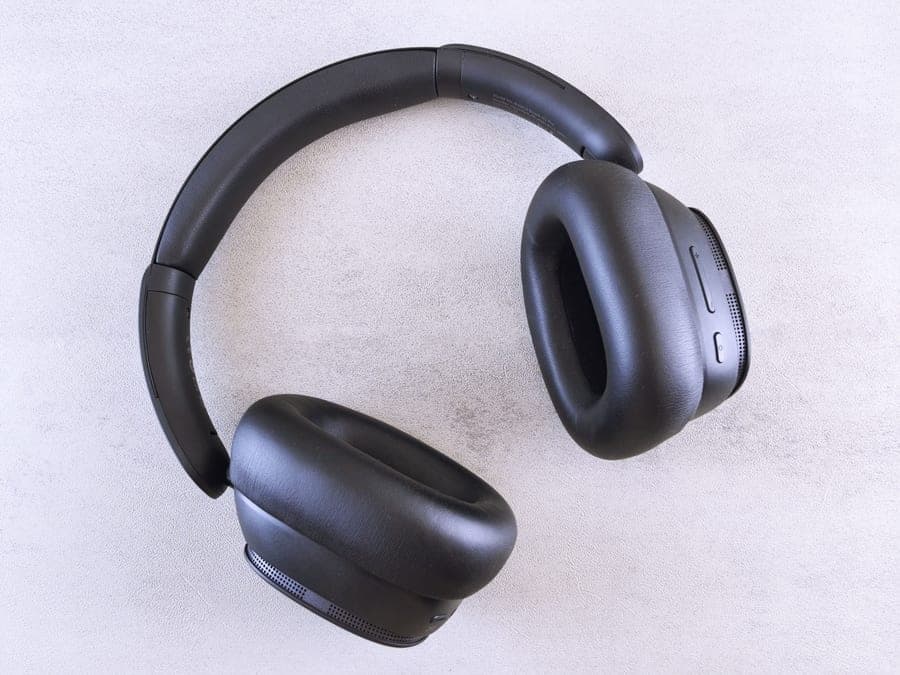 Sony WH-1000XM6The most complete travel headphone on sale: 254 g, 30 rated hours with noise canceling on, and it folds into a case small enough to stop being a decision. | Best bass on a plane or a train | 9.19.1 out of 10, our editorial score | |
| 3 | 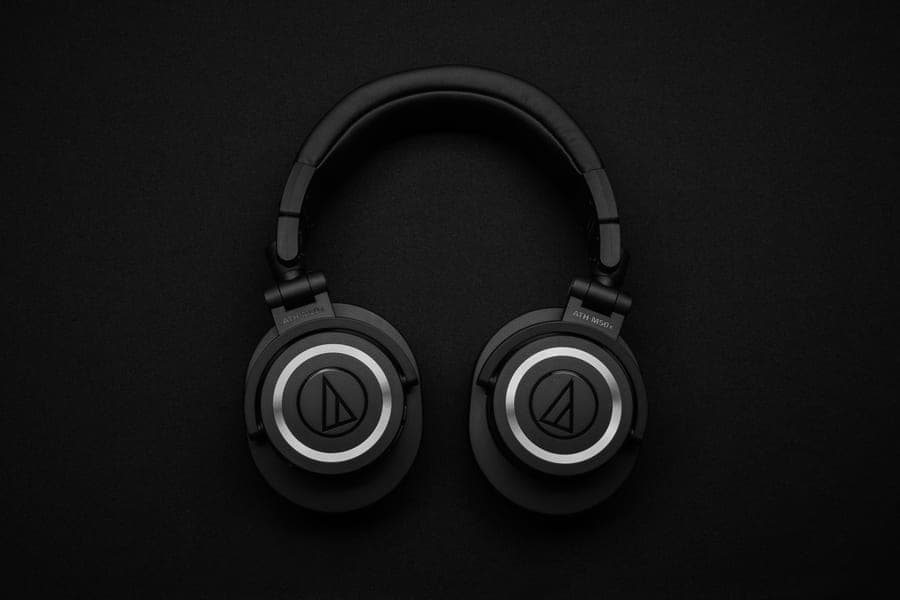 Sennheiser MOMENTUM 4 WirelessSennheiser publishes up to 60 hours. That is the difference between charging at the gate and not thinking about a charger for an entire two-week trip. | Best bass without the gimmick | 8.88.8 out of 10, our editorial score |
#ad Amazon links are affiliate links. No live price is shown anywhere on this site, so every button reads “Check price on Amazon”. How this is funded.
The picks in full
Every pick, in detail
1. Best for adjustable deep bass
Skullcandy Crusher ANC 2
The only headphone here with a bass slider rather than a bass EQ: dedicated haptic drivers you can dial from nothing to physical, on top of two 40 mm full-range drivers.
Our editorial score: 8.3 / 10
#ad Live price not shown. How this is funded
Also sold direct by Skullcandy — we earn nothing there, so check both.
This is the only headphone on this site with a bass control rather than a bass voicing. Two 40 mm full-range drivers handle the music, and a separate pair of sensory-bass drivers add a physical component you dial in yourself, with presets at 20, 50 and 80 percent and a wheel on the left earcup.
That adjustability is the argument. Every other bass-forward headphone makes the decision for you at the factory and you live with it; this one lets you turn it down on a podcast and up on a bassline.
Skullcandy rates it at up to 50 hours with canceling on and 60 with it off, with 10 minutes of charge giving 4 hours. It folds, and ships with a travel case, a USB-C cable and a 3.5 mm aux cable. Be honest with yourself about the top of the slider, though: at 80 percent this is a sensation rather than better sound.
What works on a plane
- A physical bass slider, so the effect is adjustable rather than a fixed voicing you live with
- 50 rated hours with canceling on beats every flagship on this site
- Folds, and ships with both a travel case and an aux cable
- Tile tracking built in, which is the correct answer to leaving them in a seat pocket
What does not
- At high slider settings the haptics are a physical sensation, not better sound
- Canceling is good rather than class-leading — this is a bass product first
- Heavier than the travel flagships, and the pads run warm
How it scores against the five travel axes
Published specifications
| Spec | Figure | Source |
|---|---|---|
| Battery, ANC on | Up to 50 hours | Skullcandy |
| Battery, ANC off | Up to 60 hours | Skullcandy |
| Rapid charge | 10 minutes for 4 hours | Skullcandy |
| Drivers | Two 40 mm full-range plus dual sensory-bass drivers | Skullcandy |
| Bluetooth | 5.2 | Skullcandy |
| Bass control | Adjustable slider, with 20 / 50 / 80 percent presets | Skullcandy |
| In the box | USB-C cable, 3.5 mm aux cable, travel case | Skullcandy |
| Finding | Tile tracking built in | Skullcandy |
2. Best bass on a plane or a train
Sony WH-1000XM6
The most complete travel headphone on sale: 254 g, 30 rated hours with noise canceling on, and it folds into a case small enough to stop being a decision.
Our editorial score: 9.1 / 10
#ad Live price not shown. How this is funded
Also sold direct by Sony — we earn nothing there, so check both.
This wins the bass argument in the one place most people actually listen, and it wins it by deleting the competition rather than by pushing harder. Engine drone occupies the same 50 to 300 Hz region your bassline does, and the deepest canceling here clears that region out.
Sony publishes a wired response of 4 Hz to 40,000 Hz on the IEC measurement, 254 g and up to 30 hours with canceling on, plus LDAC and LC3. In a quiet room the Skullcandy hits harder. On the 07:41 it does not, because the Sony got there first by removing the noise.
What works on a plane
- Folds, which halves the space it takes in a personal item
- 254 g is light for a flagship over-ear, and weight is what you feel at hour four
- LDAC plus LC3 means it is not locked to one phone ecosystem
- 30 rated hours with noise canceling on covers almost any single routing
What does not
- You pay a flagship price for the last increment of noise canceling
- The folding hinge is one more mechanism to eventually wear out
- No airline two-prong adapter in the box
How it scores against the five travel axes
Published specifications
| Spec | Figure | Source |
|---|---|---|
| Weight | Approx. 254 g (9 oz) | Sony Help Guide specifications |
| Battery, NC on | Up to 30 hours | Sony specifications |
| Battery, NC off | Up to 40 hours | Sony specifications |
| Full charge | Approx. 3.5 hours | Sony Help Guide specifications |
| Bluetooth | 5.3 | Sony Help Guide specifications |
| Codecs | SBC, AAC, LDAC, LC3 | Sony Help Guide specifications |
| Wired response | 4 Hz - 40,000 Hz (IEC) | Sony Help Guide specifications |
| Folds | Yes, into a magnetic-closure case | Sony |
3. Best bass without the gimmick
Sennheiser MOMENTUM 4 Wireless
Sennheiser publishes up to 60 hours. That is the difference between charging at the gate and not thinking about a charger for an entire two-week trip.
Our editorial score: 8.8 / 10
#ad Live price not shown. How this is funded
Also sold direct by Sennheiser — we earn nothing there, so check both.
The largest transducer of any wireless headphone here at 42 mm, with the gentlest clamp and up to 60 rated hours. If what you want is a full, extended low end rather than a haptic effect, this is the one to hear.
The gentle clamp is a double-edged thing for bass specifically. It is far more comfortable over hours, but a looser seal is a weaker seal, and seal is what bass depends on. Get the pads flat against your head before you judge it.
What works on a plane
- Up to 60 rated hours, roughly double the flagship norm
- The 1.2 m 3.5 mm cable is in the box, so seatback screens work straight out of the bag
- Fold-flat earcups make the carry case slim rather than deep
- The 42 mm transducer is the most relaxed listen here over a very long session
What does not
- Published measurements consistently place its noise canceling a step behind the Bose
- The case is broad, so it eats width in a personal item even though it is slim
- Fold-flat is not fold-up, so the footprint is larger than the Sony's
How it scores against the five travel axes
Published specifications
| Spec | Figure | Source |
|---|---|---|
| Battery | Up to 60 hours playback | Sennheiser |
| Weight | Approx. 293-295 g | Sennheiser / published reviews |
| Transducer | 42 mm | Sennheiser |
| In the box | Carry case, USB-C cable, 1.2 m 3.5 mm auxiliary cable | Sennheiser |
| Folds | Fold-flat earcups | Sennheiser |
How we decide
How these picks were chosen
We do not run a test lab and we do not claim to have flown with these units. Every verdict on this page is one of three things: a measurement published by somebody who does own a test rig and is credited by name, a manufacturer specification we quote and then interpret against what a long flight actually demands, or a plainly-labeled editorial judgment. The five axes we score on — cabin-noise reduction, battery on a long-haul, pack size, comfort past hour three, and wired fallback — are the ones that decide a travel purchase, and the weighting is published in full.
Questions
Common questions
What gives headphones more bass, a bigger driver or better sealing?
Sealing, by a wide margin, in everyday use. A small leak at the pad or a badly sized ear tip removes more low end than the difference between a 40 mm and a 42 mm driver. Fix the fit before you spend anything.
Does noise canceling improve bass?
It does not add bass, but it usually makes your existing bass audible again. Engine and road noise sit in roughly the same 50 to 300 Hz region as a kick drum and a bass guitar, so removing that noise uncovers low end that was being masked.
Is sensory or haptic bass the same as good bass?
No, and it is worth being clear about it. Haptic drivers produce vibration you feel rather than a deeper acoustic response. At low settings it is a convincing thickening; at high settings it is an effect. The advantage of a slider is that you choose.
Can I just use an EQ to get more bass?
Up to a point. An EQ boost can only amplify what the driver and the seal already produce, and pushing it hard tends to bring distortion rather than depth. Seal first, EQ second.
Sources
Where these figures come from
Read next
Related reading
- Best headphones for music listening
The wider version of this question, across the whole spectrum.
- How noise canceling works on a plane
Why the low band specifically is the one canceling handles.
- ANC vs passive isolation
The seal argument, in detail.
- Headphones vs IEMs
Where the tip seal replaces the pad seal entirely.
- Best headphones for glasses wearers
The most common cause of a broken seal.