Best for Flights
The best noise-canceling headphones for flights
The whole field, ranked for a cabin rather than a listening room. Start here if you only read one page.
The money hub
Everything on this site starts from one seat: 31B, eight hours in, engines at cruise. These are the roundups that answer what to put on your head before you get there.
A plane is a very specific acoustic problem, and almost nothing written about headphones is written about it. A cruising narrow-body sits at roughly 80 dB inside the cabin, and the overwhelming majority of that energy is low-frequency — the 50 to 300 Hz band where engine and airflow noise live. That is not the band that makes a room feel loud. It is the band that makes you exhausted without ever feeling loud, and it is the band active noise canceling is genuinely good at.
Which is why the usual review-site scoring does not transfer. A headphone can win on soundstage, imaging and detail retrieval and still be the wrong thing to fly with, because on a plane you are not listening critically. You are trying to make eight hours pass. What decides that is a much shorter list, and it is the list every page in this hub is built on.
The five things that matter
Where to start
Start with the best noise-canceling headphones for flights. It is the flagship page on this site and it covers the whole field, from the quietest thing you can buy to the cheapest thing worth buying. If you already know your constraint, the rest of this hub is organized by constraint rather than by price:
| If your constraint is | Go here |
|---|---|
| A genuinely long routing | Best headphones for long-haul flights |
| Carry-on space | Best foldable noise-canceling headphones |
| Budget | Best budget noise-canceling headphones for flights |
| Sleeping on the plane | Best headphones for sleeping on a plane |
| Wearing glasses | Best headphones for glasses wearers |
| The seatback screen | Best headphones for in-flight entertainment |
| Traveling with children | Best headphones for kids on planes |
What moves the price
The honest answer is that the first eighty percent of the quiet is cheap now and the last twenty is expensive. A well-made sub-$100 over-ear will take a noticeable bite out of engine drone, and the Soundcore Space Q45 in the budget roundup publishes fifty rated hours with canceling on — longer than any flagship on this site. What flagship money buys is the deepest part of the low band, better microphones for calls, steadier adaptive behavior when cabin noise changes, pad materials that survive hour five, and firmware that will still be updated in three years.
Whether that is worth it depends entirely on how much you fly. Four flights a year and the budget pick is the rational buy. Forty flights a year and the flagship is the rational buy, because you are paying for fatigue you will not feel.
Buying on sound quality. On the ground, in a quiet room, the difference between a $150 headphone and a $400 one is obvious. At 80 dB of cabin noise, with canceling doing most of the work, a great deal of that difference is simply inaudible — and the things that are still audible at hour six are weight on your crown and heat against your ears. If you are choosing between two headphones and one is 90 g lighter, take the lighter one. You will notice that every single flight.
The second mistake is forgetting the jack. A wireless headphone with no 3.5 mm socket cannot connect to most seatback systems at all, and no amount of quality fixes that. The Bluetooth and in-flight entertainment guide explains the workarounds, and the adapter roundup covers what to buy if your headphone is already in the drawer.
Everything in this section
Best for Flights
The whole field, ranked for a cabin rather than a listening room. Start here if you only read one page.
Best Travel Headphones
Ranked for a whole trip rather than a single flight: pack size, multi-day battery and durability in a moving bag.
Best for Long-Haul
Ranked on rated battery with canceling on and comfort past hour three, with the arithmetic for a 14-hour leg.

Best Over-Ear
The full-size field on weight, clamp, fold and runtime. Every over-ear currently worth flying with.
Best for International
Ranked for connections, unreliable charging and older regional aircraft. What an international trip demands that a domestic one does not.
Best Budget
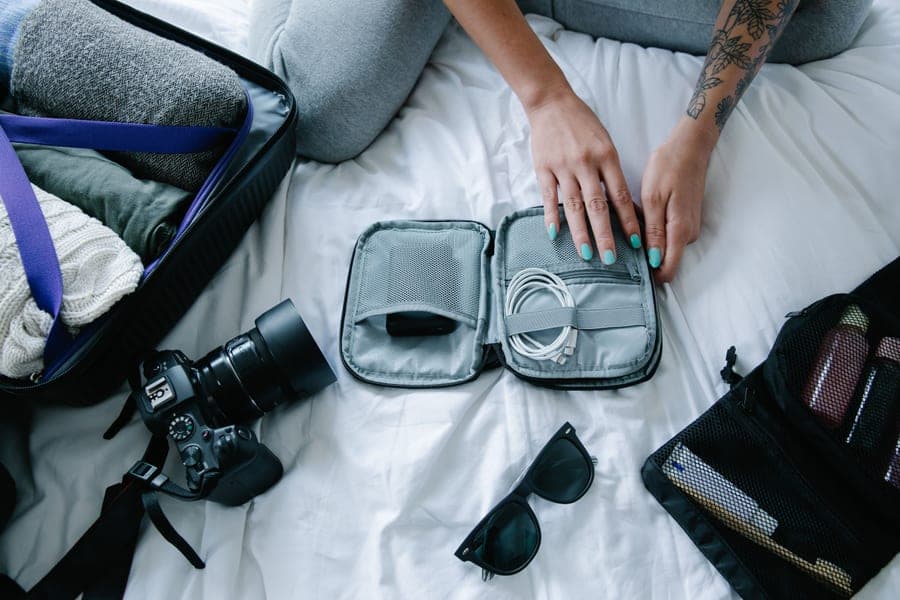
Budget picks that are genuinely worth flying with, plus an honest account of exactly what the price saves and costs.
Best Under $200
What a firm budget ceiling buys on a plane, and the four things it costs. No prices quoted — check them before you buy.

Best for Sleeping
Why over-ears fail against a window, which earbuds are small enough, and what actually reduces the noise that wakes you.
Best Foldable
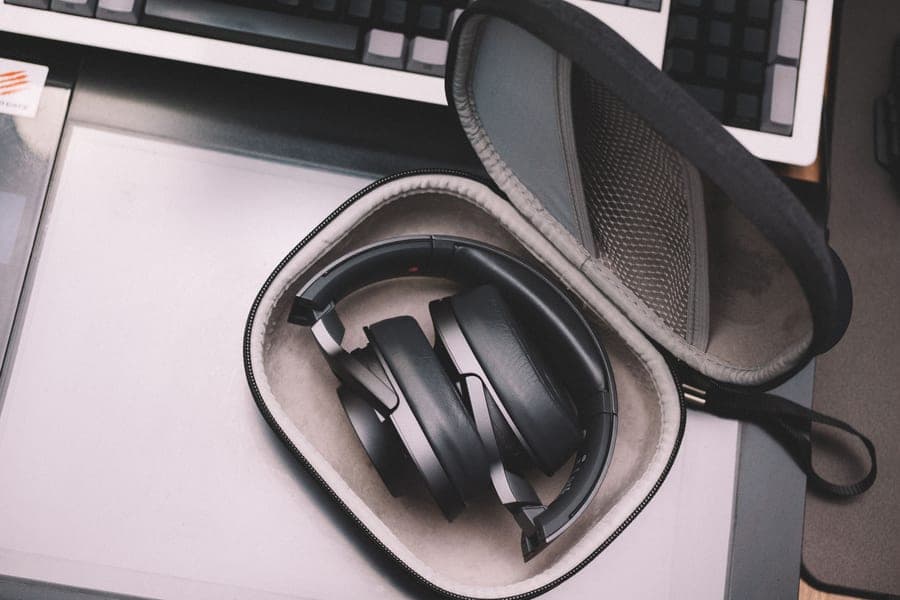
Fold-up, fold-flat and no-fold produce three different objects in your bag. Which headphones do which, and which suits yours.

Best with Glasses
Why spectacles cost you canceling, and which headphones handle them. Gentle clamp beats deep canceling on this page.
Best for Seatback Screens
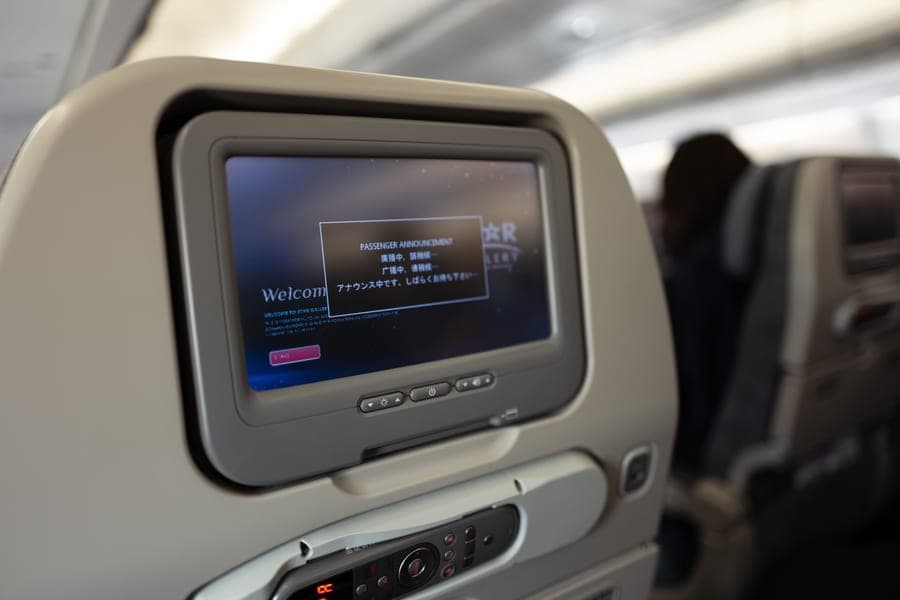
Three routes from a seatback screen to your own headphones, ranked. The cluster almost nobody covers properly.
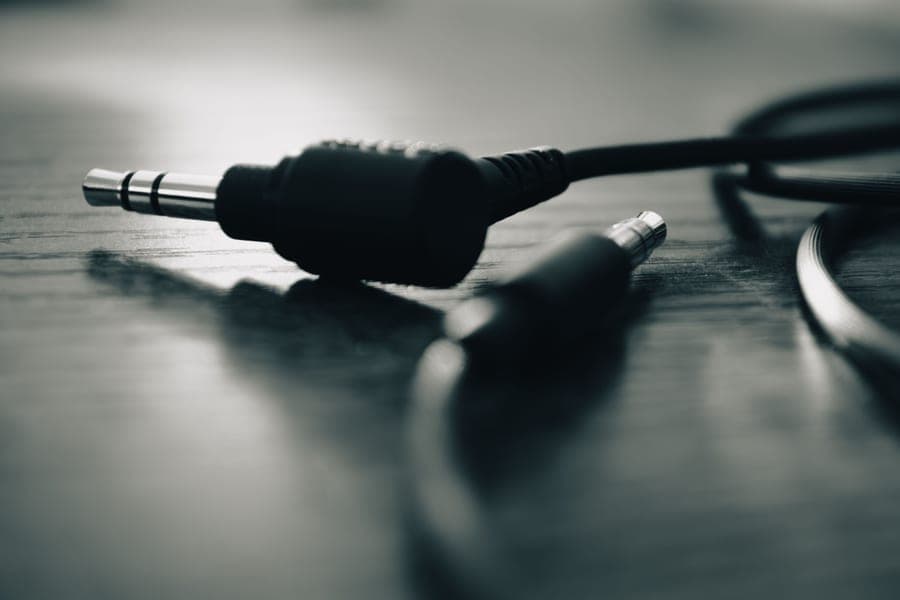
Best Wired Option
Which headphones can plug into a seatback screen, which ship the cable, and which quietly need a purchase.
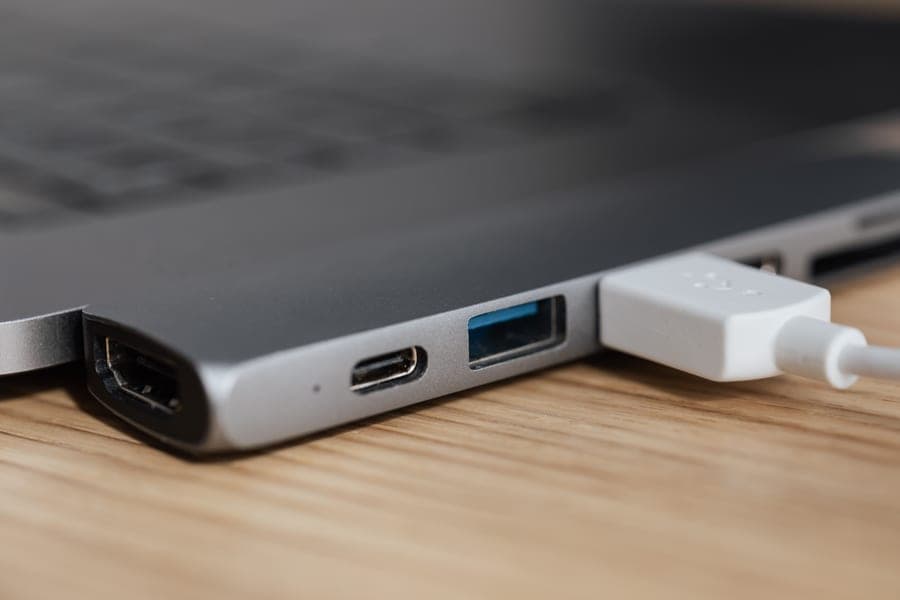
Best Adapter Fix
Two-prong, USB-C, twin-socket or transmitter — which adapter you actually need, and why it belongs in your case permanently.
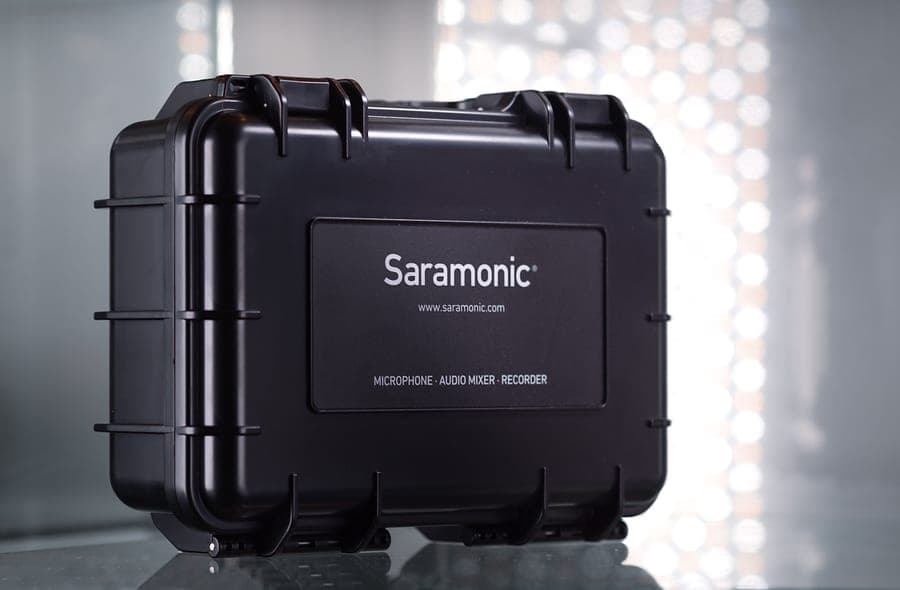
Best Included Case
Which headphones ship a case worth carrying, which ship a soft cover, and what a good travel case needs to do.
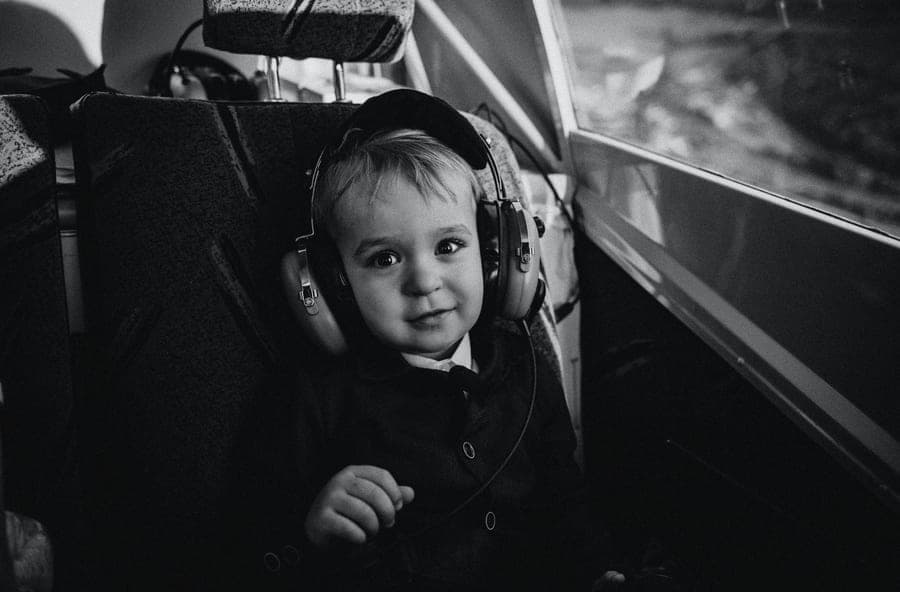
Best for Kids
Volume limiting over canceling, fit over brand, and the accessory that helps most is not a headphone.

Best Gifts for Flyers
For the person buying, not the person flying. What to check first, and the one thing frequent flyers rarely own.
Best Gift Under $150
What a modest budget genuinely buys in travel audio, and why the small gift often lands better than the big one.
Questions
Yes. Bluetooth headphones are permitted on essentially every airline throughout the flight, including taxi, takeoff and landing — the restriction that used to exist applied to cellular radios, not short-range Bluetooth. Cabin crew may ask you to remove them during the safety briefing so you can hear it, which is a reasonable request rather than a rule about the device. The full answer is here.
Both work. Over-ears win on comfort over very long periods and on battery; earbuds win overwhelmingly on pack size and on sleeping, because you can lie on your side. If you are choosing between form factors, read earbuds versus over-ear for flying rather than either product roundup.
Take your longest single leg, add the layover, and add two hours for the gate. A 14-hour routing with a 3-hour connection wants something rated above 20 hours with canceling on, which rules out fewer headphones than you would expect — the Apple AirPods Max is rated at 20 hours, so it is genuinely tight. Battery life for long-haul flights works through the arithmetic.