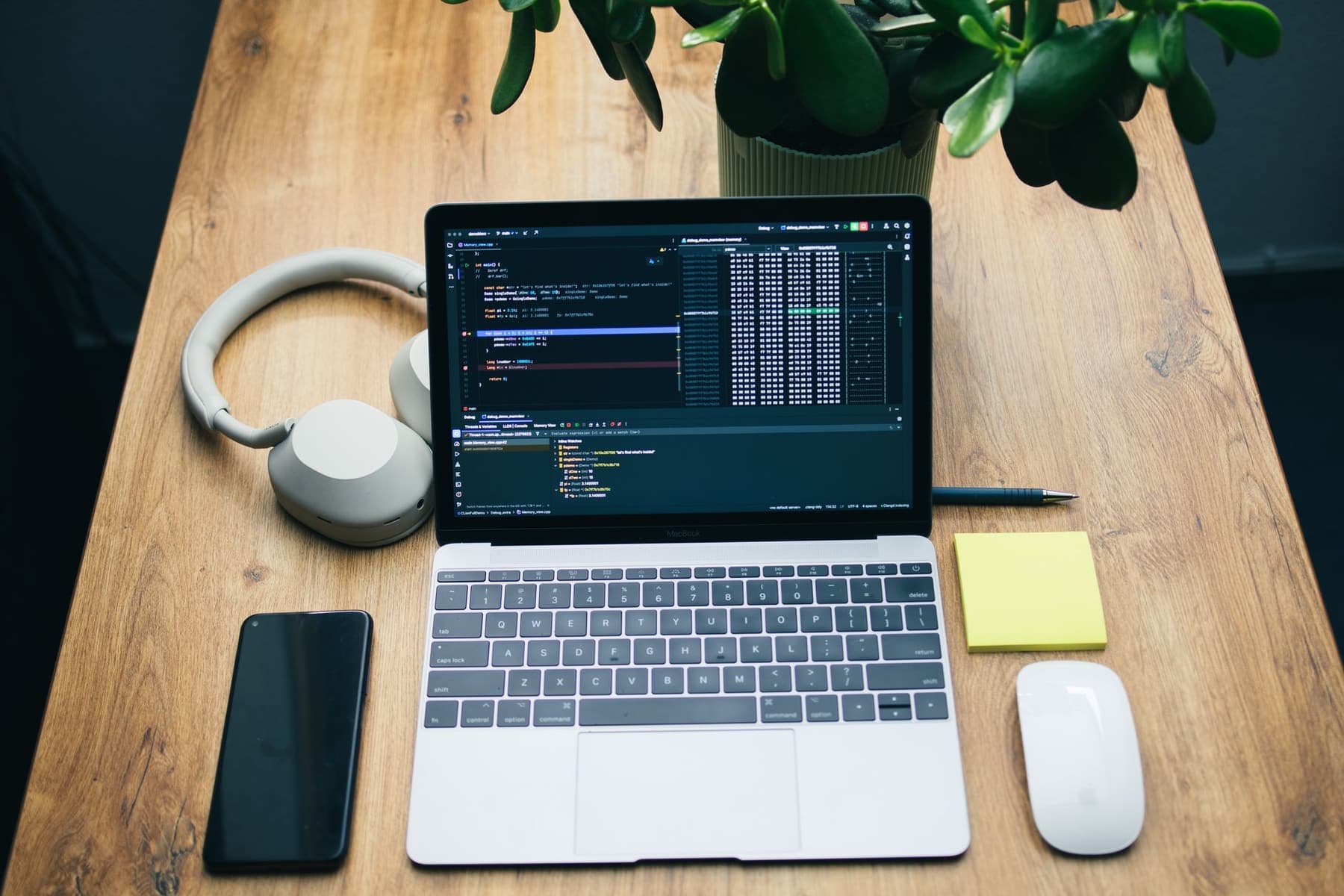
The Sony WH-1000XM6 is the best multipoint headphone: its Help Guide documents connecting to two devices simultaneously plus a separate audio-switch function, and lists the full profile set that makes multipoint work. The Soundcore Space Q45 is the value over-ear at up to 50 rated hours with canceling on, the Soundcore Space One at $99.99 documents the feature most clearly of all, and the EarFun Air Pro 4 is the earbud answer at 11 hours per charge.
The definition
What multipoint is, and what it is not
Multipoint means the headphone holds two active Bluetooth connections at once — typically a laptop and a phone — and routes audio to whichever one is talking. Music plays from the laptop; the phone rings; the music pauses and the call arrives in the same headphone without you touching a pairing menu. When the call ends, the music comes back.
Three things it is not:
- Not fast pairing. Google Fast Pair and Apple’s automatic switching get you connected quickly, or move you between devices in one ecosystem. Multipoint keeps two connections alive at the same time, across ecosystems.
- Not audio sharing. Sharing sends one source to two headphones, which is the opposite direction. Sony calls its version Auracast broadcast audio; the Twelve South AirFly Pro 2 does the same job on a plane by pairing two sets of headphones to one socket.
- Not a guarantee of three devices. Almost every implementation is two. Where a product supports more, it is usually by remembering more pairings rather than holding more live connections.
The feature is not that it connects to two devices. It is that you never think about which one it is connected to.
The matrix
The five picks, and what each manufacturer actually states
| Sony WH-1000XM6 | Space Q45 | Space One | EarFun Air Pro 4 | OpenRun Pro 2 | |
|---|---|---|---|---|---|
| Multipoint, as published | 2 devices simultaneously, plus audio switch | Multipoint connection, 2 devices | Multipoint on by default, 2 devices | 2 devices simultaneously | Listed in specifications |
| Bluetooth | 5.3 | 5.3 | Not published here | 5.4 | 5.3 |
| Battery, canceling on | up to 30 h | up to 50 h | up to 40 h | 11 h per charge | up to 12 h |
| Battery, canceling off | up to 40 h | up to 65 h | up to 55 h (normal) | - | - |
| Total with case | - | - | - | 52 h | - |
| Codecs | SBC, AAC, LDAC, LC3 | Not published here | LDAC | aptX Lossless, LDAC, AAC, SBC | Not published here |
| Form | Over-ear | Over-ear | Over-ear | Earbuds | Open-ear |
| Wired fallback | Supplied cable | 3.5 mm cable | Aux cable | None | None |
| List price | Not quoted here | Not quoted here | $99.99 | Not quoted here | Not quoted here |
Where it earns its money
The four situations multipoint actually fixes
A work trip with a laptop and a phone
The canonical case. Conferencing client on the laptop, calls on the phone, and no gap between them. This is why multipoint belongs on the shortlist for business travel in particular, rather than travel generally.
An open-plan desk
Music from the computer, calls from the phone, and nobody waiting while you dig through a Bluetooth menu. If the main problem is the room rather than the devices, start instead at the open-plan office roundup.
A commute that turns into a call
A podcast on the phone and a tablet with a downloaded film, or a work phone and a personal phone. Switching mid-journey without stopping is the whole value.
A plane with a seatback screen
This is where multipoint stops helping, because almost no in-flight entertainment system speaks Bluetooth. The fix is a cable or a transmitter, not a second connection — Bluetooth headphones and in-flight entertainment covers that properly.
What to look for
Four checks before you buy for multipoint
- Find it stated by the manufacturer, not by a retailer. Retail listings repeat each other. Every product on this page is here because its own manufacturer page or Help Guide says it.
- Check whether it is on by default. Several implementations ship disabled, or disable themselves when you enable a high-bitrate codec. Soundcore publishes both behaviors for the Space One; most brands publish neither.
- Expect to choose between multipoint and LDAC. Holding two connections and streaming at the highest bitrate compete for the same radio time, and many headphones will not do both. If that trade matters to you, LDAC versus AAC for travel explains what you are giving up.
- Confirm the call profile moves, not just the music. The failure people actually hit is music switching correctly while the microphone stays on the other device.
The honest gap
Why some obvious flagships are not on this page
Several headphones on this site are widely understood to support multipoint but do not state it on the manufacturer page we could verify. Rather than infer it from a retail listing, they are left off. That includes the Bose QuietComfort Ultra Headphones, which is the deepest canceling product in the registry and the top pick on the flagship flights roundup — its product page sets out battery, USB-C lossless input and box contents in detail, and does not mention multipoint.
If multipoint is a requirement and that headphone is your preference, the right move is to confirm it with Bose before you buy rather than take our word or anyone else’s. That is a less satisfying answer than a tick in a table, and it is the accurate one.
In short
Key takeaways
- Multipoint holds two live Bluetooth connections and routes audio to whichever device is active.
- Sony WH-1000XM6: the Help Guide documents two simultaneous devices plus a separate audio-switch function.
- Soundcore Space Q45: multipoint stated as a specification, with up to 50 rated hours canceling on.
- Soundcore Space One at $99.99 publishes how to turn multipoint on and off, which most brands do not.
- EarFun Air Pro 4 is the earbud pick: two devices at once, 11 hours per charge, 52 with the case.
- Multipoint and the highest-bitrate codecs often cannot run at the same time.
At a glance
Quick picks
Scores are our editorial judgment from published specifications and cited third-party measurements, not our own testing. The rubric is published in full. Tap any row for the full write-up.
| # | Product | Best for | Score | Price |
|---|---|---|---|---|
| 1 | 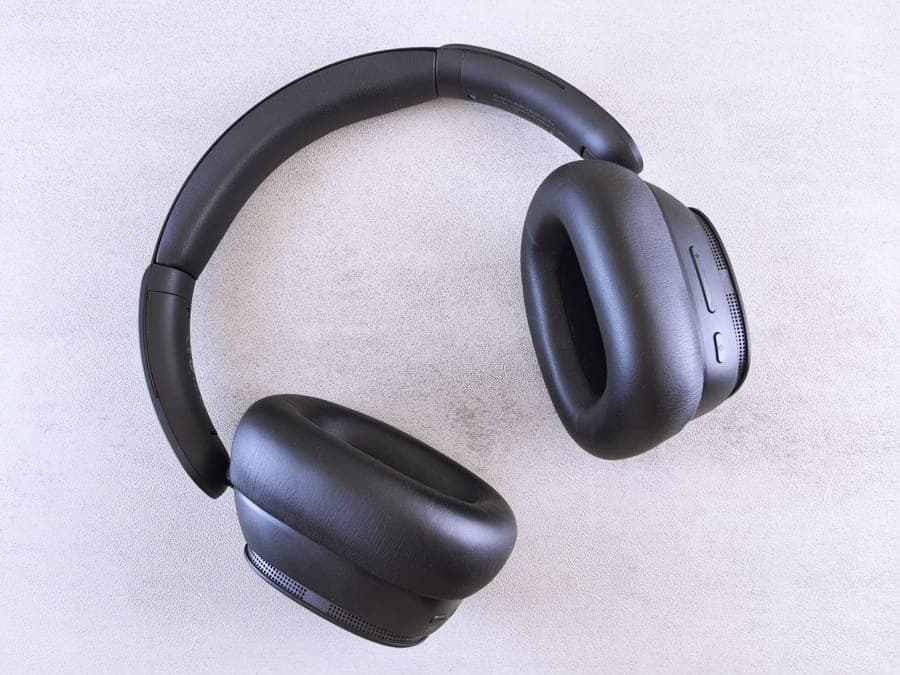 Sony WH-1000XM6The most complete travel headphone on sale: 254 g, 30 rated hours with noise canceling on, and it folds into a case small enough to stop being a decision. | Best overall for multipoint | 9.19.1 out of 10, our editorial score | |
| 2 | 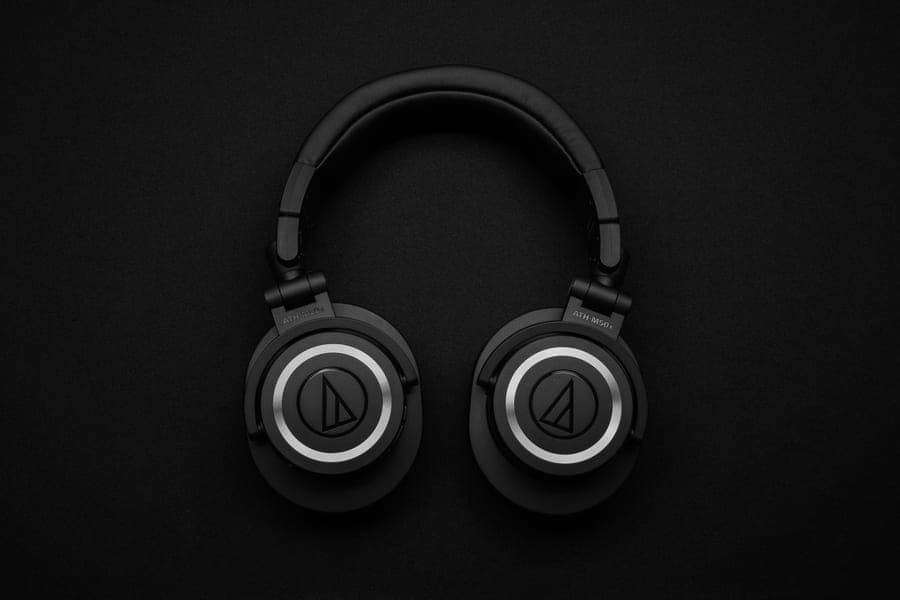 Soundcore Space Q45Fifty rated hours with canceling on, a hard case and a 3.5 mm cable in the box, at a fraction of flagship money. The compromise is in the last 10 percent of quiet, not the first 80. | Best value over-ear | 8.28.2 out of 10, our editorial score | |
| 3 | 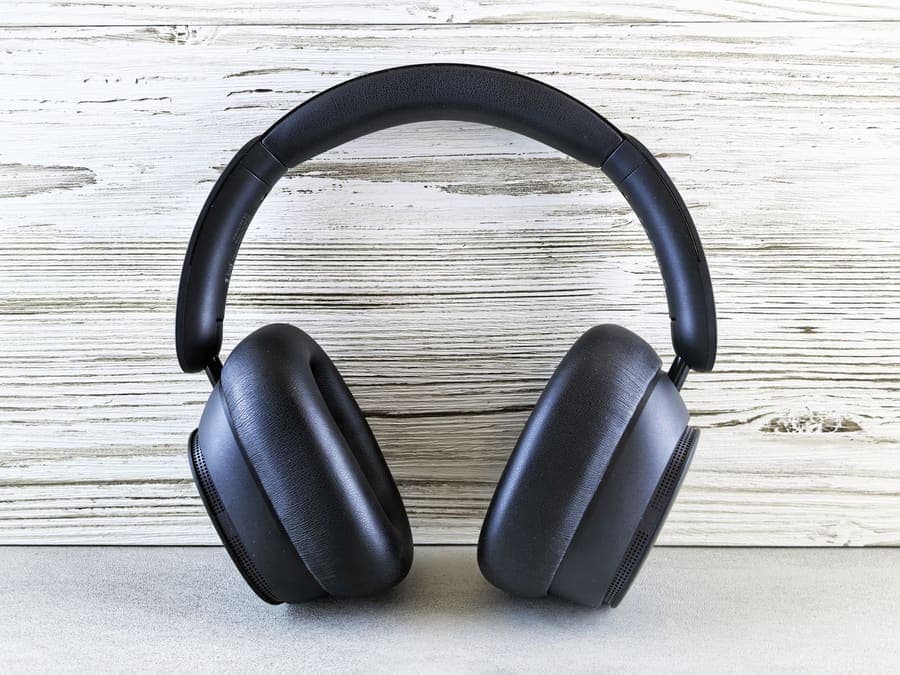 Soundcore Space OneA $99.99 list price that buys 40 rated hours with canceling on, LDAC, 40 mm drivers, a folding hinge and an aux cable. The specification sheet at this level is genuinely hard to argue with. | Best under $100 | 8.58.5 out of 10, our editorial score | |
| 4 | 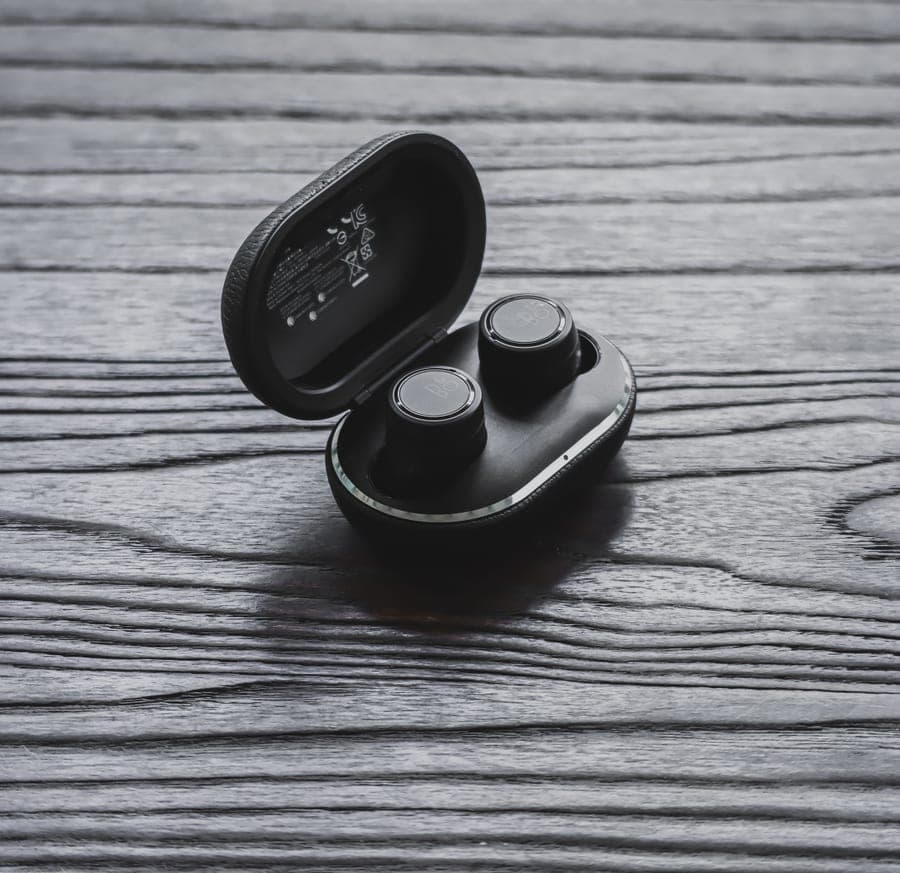 EarFun Air Pro 4Eleven rated hours per bud and 52 with the case, plus LDAC and aptX Lossless, for a small fraction of flagship money. It buys most of the quiet for a little of the price. | Best multipoint earbuds | 8.08.0 out of 10, our editorial score | |
| 5 |  Shokz OpenRun Pro 2An open-ear headphone that leaves your ear canal empty, so you hear the traffic behind you as well as the playlist. The point of it is the opposite of noise canceling. | Best for hearing the room as well | 8.58.5 out of 10, our editorial score |
#ad Amazon links are affiliate links. No live price is shown anywhere on this site, so every button reads “Check price on Amazon”. How this is funded.
The picks in full
Every pick, in detail
1. Best overall for multipoint
Sony WH-1000XM6
The most complete travel headphone on sale: 254 g, 30 rated hours with noise canceling on, and it folds into a case small enough to stop being a decision.
Our editorial score: 9.1 / 10
#ad Live price not shown. How this is funded
Also sold direct by Sony — we earn nothing there, so check both.
Sony’s Help Guide documents the feature by name — connecting the headset to two devices simultaneously, in its own section, with a separate audio-switch function for moving playback between them. That level of published detail is unusual, and on a feature this fiddly, documentation is part of the product.
The same Help Guide lists Auracast broadcast audio for sharing, Bluetooth 5.3 and the A2DP, AVRCP, HFP, HSP, TMAP, GMAP and PBP profiles. The profile list matters here: multipoint only works properly when the headphone can hold a media profile on one device and a call profile on another, which is exactly what that list describes.
The rest of the spec is why it is the top pick on five other pages on this site. Approximately 254 g, up to 30 rated hours with canceling on and 40 with it off, about 3.5 hours to a full charge, SBC, AAC, LDAC and LC3, and it folds into a magnetic-closure case.
What works on a plane
- Folds, which halves the space it takes in a personal item
- 254 g is light for a flagship over-ear, and weight is what you feel at hour four
- LDAC plus LC3 means it is not locked to one phone ecosystem
- 30 rated hours with noise canceling on covers almost any single routing
What does not
- You pay a flagship price for the last increment of noise canceling
- The folding hinge is one more mechanism to eventually wear out
- No airline two-prong adapter in the box
How it scores against the five travel axes
Published specifications
| Spec | Figure | Source |
|---|---|---|
| Weight | Approx. 254 g (9 oz) | Sony Help Guide specifications |
| Battery, NC on | Up to 30 hours | Sony specifications |
| Battery, NC off | Up to 40 hours | Sony specifications |
| Full charge | Approx. 3.5 hours | Sony Help Guide specifications |
| Bluetooth | 5.3 | Sony Help Guide specifications |
| Codecs | SBC, AAC, LDAC, LC3 | Sony Help Guide specifications |
| Wired response | 4 Hz - 40,000 Hz (IEC) | Sony Help Guide specifications |
| Folds | Yes, into a magnetic-closure case | Sony |
2. Best value over-ear
Soundcore Space Q45
Fifty rated hours with canceling on, a hard case and a 3.5 mm cable in the box, at a fraction of flagship money. The compromise is in the last 10 percent of quiet, not the first 80.
Our editorial score: 8.2 / 10
#ad Live price not shown. How this is funded
Also sold direct by Soundcore — we earn nothing there, so check both.
Soundcore lists multipoint connection as a tick-box specification and describes it directly: stay connected to two devices with Bluetooth 5.3 and multipoint connection, with instant switching between music, calls and video on different devices. For a feature usually buried in a manual, that is a clear statement.
It is also the endurance pick in this group. Up to 50 rated hours with canceling on and up to 65 with it off, five minutes of charge for four hours, 40 mm drivers, and a hard-shell case with a 3.5 mm cable and a USB-C cable in the box.
What you give up against the Sony is canceling depth and pad quality over a very long sitting. What you get back is most of a flagship’s useful feature set for a fraction of the money.
What works on a plane
- Up to 50 rated hours with canceling on, which beats every flagship here
- Hard case and 3.5 mm cable included, so nothing else to buy for a seatback screen
- Five minutes of charge buys four hours, which covers a gate-side mistake
- The cheapest way to get genuinely useful drone reduction on a plane
What does not
- Soundcore's own 98 percent figure is a marketing claim, not a measurement, and the gap to Bose is audible
- 295 g with plainer pad materials, so hour four is less comfortable than the Sennheiser's
- Plastic build will not survive being crushed in an overhead bin the way the metal Apple would
How it scores against the five travel axes
Published specifications
| Spec | Figure | Source |
|---|---|---|
| Battery, ANC on | Up to 50 hours | Soundcore |
| Battery, ANC off | Up to 65 hours | Soundcore |
| Quick charge | 5 minutes gives 4 hours | Soundcore |
| Weight | Approx. 295 g (10.3 oz) | Soundcore / published reviews |
| Bluetooth | 5.3 | Soundcore |
| In the box | Hard-shell case, 3.5 mm cable, USB-C cable | Soundcore |
3. Best under $100
Soundcore Space One
A $99.99 list price that buys 40 rated hours with canceling on, LDAC, 40 mm drivers, a folding hinge and an aux cable. The specification sheet at this level is genuinely hard to argue with.
Our editorial score: 8.5 / 10
#ad Live price not shown. How this is funded
Also sold direct by Soundcore — we earn nothing there, so check both.
$99.99 at the time of writing, and the most explicitly documented multipoint behavior here: Soundcore states that multipoint is enabled automatically, that you enter multipoint mode by double-clicking the power button and then pair a second device normally, and that you can disable it in the app from the device list.
That is the level of detail you want, because the most common multipoint complaint is not that it fails — it is that nobody can find the switch. Up to 40 rated hours with canceling on and up to 55 in normal mode, 265 g, 40 mm drivers, LDAC, five minutes of charge for four hours, and earcups that rotate and fold.
A travel pouch and an aux cable are in the box, so the seatback screen is covered. The limit is pad material, which runs warm across a long flight.
What works on a plane
- 40 rated hours with canceling on, from a headphone listed at $99.99
- LDAC at this price is unusual, and it is the codec Android users actually want
- Folds and ships with an aux cable, so the seatback screen is covered
- 265 g is not heavy, and the pouch means it travels without a hard case
What does not
- The 98 percent noise-reduction claim is marketing, not a published measurement
- A pouch is not a hard case, so it needs care in a crushed bag
- Pads are the first thing that gives at this price, well before the electronics
How it scores against the five travel axes
Published specifications
| Spec | Figure | Source |
|---|---|---|
| List price | $99.99 at the time of writing | Soundcore |
| Battery, ANC on | Up to 40 hours | Soundcore |
| Battery, normal mode | Up to 55 hours | Soundcore |
| Quick charge | 5 minutes for 4 hours | Soundcore |
| Weight | 265 g (9.35 oz) | Soundcore |
| Drivers | 40 mm | Soundcore |
| Codecs | LDAC | Soundcore |
| Folds | Yes, ear cups rotate and fold | Soundcore |
| In the box | Travel pouch and aux cable | Soundcore |
4. Best multipoint earbuds
EarFun Air Pro 4
Eleven rated hours per bud and 52 with the case, plus LDAC and aptX Lossless, for a small fraction of flagship money. It buys most of the quiet for a little of the price.
Our editorial score: 8.0 / 10
#ad Live price not shown. How this is funded
The earbud answer, and the one that frames the feature the way people actually use it: EarFun states the Air Pro 4 can connect to two devices simultaneously over Bluetooth, allowing seamless audio switching between a phone and a laptop.
The supporting specification is strong for the money. 11 rated hours in the buds and 52 with the case, 10 mm composite dynamic drivers, a Qualcomm QCC3091 chipset, Bluetooth 5.4, and aptX Lossless, LDAC, AAC and SBC — the broadest codec list of any product on this site. EarFun rates its QuietSmart 3.0 canceling at up to 50 dB, which is the manufacturer’s own figure rather than a certified one.
The trade with any earbud is that there is no socket and no wired fallback, and the per-bud battery is a fraction of an over-ear’s.
What works on a plane
- Eleven rated hours per bud is longer than any premium earbud here
- 52 hours with the case means a two-week trip without a charger thought
- aptX Lossless and LDAC at this price is genuinely unusual
- Losing one on a plane is an annoyance rather than a disaster
What does not
- The 50 dB figure is EarFun's own rating, not an independent measurement, and the gap to Bose is clear
- Adaptive canceling is less steady than the flagships when cabin noise changes
- App polish and firmware support are a step behind the majors
How it scores against the five travel axes
5. Best for hearing the room as well
Shokz OpenRun Pro 2
An open-ear headphone that leaves your ear canal empty, so you hear the traffic behind you as well as the playlist. The point of it is the opposite of noise canceling.
Our editorial score: 8.5 / 10
#ad Live price not shown. How this is funded
Also sold direct by Shokz — we earn nothing there, so check both.
Shokz lists multipoint in the OpenRun Pro 2 specifications, and the open-ear form factor makes it the odd but genuinely useful pick for anyone who needs to stay connected to two devices and also hear a colleague, a platform announcement or a doorbell.
30.3 g, up to 12 rated hours, five minutes of charge for 2.5 hours, a full charge in an hour, Bluetooth 5.3, IP55, and a driver arrangement that pairs bone conduction with an 18 x 11 mm air-conduction low-frequency unit.
It cancels nothing and isolates nothing, which is the whole point and also the whole limitation. On a plane it is the wrong product; at a shared desk where you have to remain reachable, it is the right one.
What works on a plane
- Your ear canal stays open, so road and trail awareness is not a compromise
- 30.3 g on a titanium band means it stops registering as something you are wearing
- IP55 shrugs off sweat, which is the failure mode that kills running earbuds
- 12 rated hours covers a marathon block without a mid-week charge
What does not
- Bone conduction gives up bass depth against a sealed earbud, and no firmware fixes physics
- IP55 is splash resistance, not submersion — this is not a swimming headphone
- Open by design, so it is the wrong tool on a plane or in an open-plan office
How it scores against the five travel axes
Published specifications
| Spec | Figure | Source |
|---|---|---|
| Weight | 30.3 g | Shokz OpenRun Pro 2 specifications |
| Battery | Up to 12 hours | Shokz OpenRun Pro 2 specifications |
| Quick charge | 5 minutes for 2.5 hours | Shokz OpenRun Pro 2 specifications |
| Full charge | 1 hour | Shokz OpenRun Pro 2 specifications |
| Bluetooth | 5.3 | Shokz OpenRun Pro 2 specifications |
| Water resistance | IP55 (sweat and splashes, not swimming) | Shokz OpenRun Pro 2 specifications |
| Drivers | Bone conduction plus an 18 x 11 mm air-conduction low-frequency unit | Shokz OpenRun Pro 2 specifications |
| Multipoint | Yes | Shokz OpenRun Pro 2 specifications |
How we decide
How these picks were chosen
We do not run a test lab and we do not claim to have flown with these units. Every verdict on this page is one of three things: a measurement published by somebody who does own a test rig and is credited by name, a manufacturer specification we quote and then interpret against what a long flight actually demands, or a plainly-labeled editorial judgment. The five axes we score on — cabin-noise reduction, battery on a long-haul, pack size, comfort past hour three, and wired fallback — are the ones that decide a travel purchase, and the weighting is published in full.
Questions
Common questions
What are the best multipoint Bluetooth headphones?
The Sony WH-1000XM6. Its Help Guide documents connecting to two devices simultaneously and a separate audio-switch function for moving playback between them, and lists the full Bluetooth profile set that makes the feature work. The Soundcore Space Q45 is the value alternative and the Soundcore Space One is the pick under $100.
How many devices can multipoint connect at once?
Two, on every implementation documented by the manufacturers of the products on this page. Headphones that advertise more devices are usually describing how many pairings they remember, not how many live connections they hold.
Does multipoint drain the battery faster?
Holding a second connection does cost radio time, and manufacturers publish their rated battery figures for normal use rather than per-configuration. Treat the published number as the ceiling and assume a little less with two devices connected and a high-bitrate codec enabled.
Why does my multipoint headphone not switch to my phone call?
Usually because the media profile and the call profile are on different devices. The laptop grabs the headset profile when a conferencing client is open, which leaves the phone with nowhere to send a call. Closing the conferencing client, or switching manually in the headphone app, is the normal fix.
Is multipoint the same as Apple's automatic switching?
No. Apple’s switching moves one connection between devices in one account, quickly and automatically. Multipoint keeps two connections alive at once and works across platforms — a Windows laptop and an Android phone, for example.
Sources
Where these figures come from
- Sony WH-1000XM6 Help Guide (multipoint connection to 2 devices, audio switch, Auracast, Bluetooth 5.3, profiles, battery, codecs)
- Soundcore Space Q45 product page (multipoint connection, two devices, Bluetooth 5.3, battery, in the box)
- Soundcore Space One product page (multipoint enabled automatically, how to enter and disable it, list price, battery)
- EarFun Air Pro 4 product page (two devices simultaneously, battery, QCC3091, Bluetooth 5.4, codecs)
- Shokz OpenRun Pro 2 specifications (multipoint, weight, battery, IP55, drivers)
- Bose QuietComfort Ultra Headphones (2nd Gen) product page (checked for a multipoint statement; battery and box contents only)
Read next
Related reading
- Best headphones for business travel
The trip where two devices is the normal state.
- Best noise-cancelling headphones for remote work
Same two devices, without the airport.
- LDAC vs AAC for travel
The codec you may have to give up to keep multipoint.
- Bluetooth headphones and in-flight entertainment
Where a second connection stops helping and a cable starts.