1. Best budget earbuds
EarFun Air Pro 4
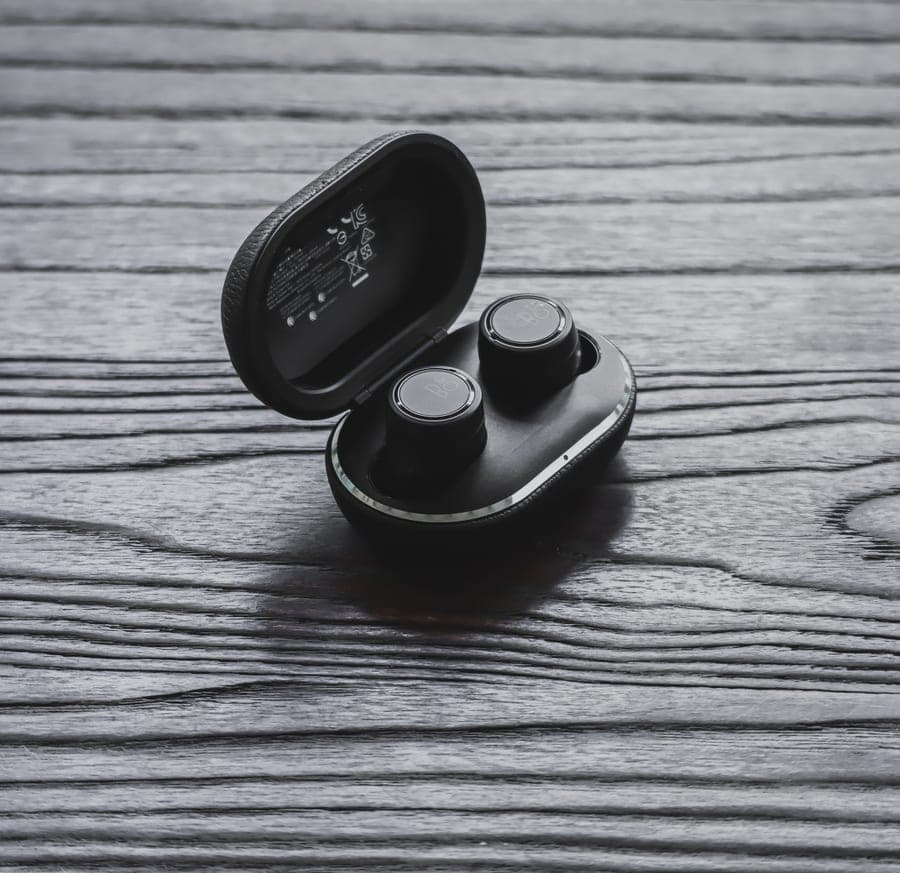
Eleven rated hours per bud and 52 with the case, plus LDAC and aptX Lossless, for a small fraction of flagship money. It buys most of the quiet for a little of the price.
Our editorial score: 8.0 / 10
#ad Live price not shown. How this is funded
The specification list here would have been flagship-only very recently: Qualcomm QCC3091, Bluetooth 5.4, aptX Lossless and LDAC, 10 mm composite drivers, eleven rated hours per bud. It arrives at a price that makes losing one an annoyance rather than a disaster.
What it does not have is the canceling depth or the adaptive steadiness of the premium set, and EarFun’s 50 dB figure is its own rating rather than an independent measurement. Read the price as buying most of the benefit, not all of it.
What works on a plane
- Eleven rated hours per bud is longer than any premium earbud here
- 52 hours with the case means a two-week trip without a charger thought
- aptX Lossless and LDAC at this price is genuinely unusual
- Losing one on a plane is an annoyance rather than a disaster
What does not
- The 50 dB figure is EarFun's own rating, not an independent measurement, and the gap to Bose is clear
- Adaptive canceling is less steady than the flagships when cabin noise changes
- App polish and firmware support are a step behind the majors
How it scores against the five travel axes
The EarFun Air Pro 4 is the best budget noise-canceling earbud for travel. EarFun rates it at 11 hours per bud and 52 hours total with the case — longer than any premium earbud here — and it supports both LDAC and aptX Lossless over Bluetooth 5.4. Its canceling is a clear step behind the Bose QuietComfort Ultra Earbuds, and the quoted 50 dB figure is EarFun’s own rating rather than an independent measurement.
The short version
Who this is for, and who it is not
Buy them if you fly occasionally, if you lose things, or if you are buying for someone whose preferences you do not know. Buy them also as a second pair — a set that lives permanently in a bag so you are never caught without, which is an entirely rational purchase at this price and an absurd one at flagship money.
Do not buy them if you are sensitive to canceling that shifts as the noise around you changes, because that steadiness is the clearest thing premium processing buys. Do not buy them if you need app polish and long firmware support, because EarFun is a step behind the majors there.
Criterion one
Cabin noise: honest about the gap
EarFun describes the system as QuietSmart 3.0, rated up to 50 dB. Treat that number carefully: a decibel figure without a stated frequency band or measurement standard is a manufacturer claim rather than comparable data, and every brand in this category quotes one.
What we can say is where the difference shows up. Against steady engine drone these do real work — the first large slice of the reduction is not expensive any more. The gap to the premium set appears in two places: the deepest low frequencies, and the behavior of the adaptive system when the cabin changes. A flagship settles on a new noise profile; a budget adaptive system audibly hunts for it.
A cheap earbud that seals properly will out-cancel an expensive one that does not. Spend the first five minutes on tip selection.
That is more true here than anywhere, because the budget product has less processing headroom to compensate for a poor seal. See active canceling versus passive isolation.
Criterion two
Battery: better than every flagship
| Model | Per charge | Total with case |
|---|---|---|
| EarFun Air Pro 4 | 11 h | 52 h |
| Sony WF-1000XM6 | up to 8 h | up to 24 h |
| Apple AirPods Pro 3 | 8 h | up to 24 h |
| Bose QC Ultra Earbuds 2nd Gen | up to 6 h | up to 18 h |
Eleven hours per bud is the headline, and it genuinely changes the flight experience: it clears a transatlantic leg without touching the case at all, which none of the premium options do. Fifty-two hours total means a two-week trip with no charging thought whatsoever.
This is a real pattern in the category worth naming. Budget manufacturers compete on the numbers that are cheap to improve — battery capacity, codec support, quoted decibels — and premium manufacturers compete on the ones that are expensive: processing steadiness, microphone arrays, pad and tip materials, firmware longevity. Knowing which of those you actually care about is the whole purchase decision.
Criterion three
Pack size: as small as the premium set
A pocketable case, like every earbud here. No disadvantage relative to the flagships on this criterion, which is part of why budget earbuds are such good value: the thing you are giving up is not convenience.
Criterion four
Comfort past hour three
Fine rather than notable. The tips are silicone and the selection is narrower than Apple’s five sizes of foam, so if your ears are at the edges of the distribution you may want to buy aftermarket tips — which at this price is a perfectly sensible thing to do and still lands you well under premium money.
The 10 mm composite drivers are larger than the Sony’s 8.4 mm, which does not make them better but does give them a fuller low end that some people prefer for long listening. aptX Lossless and LDAC are both here, which means the source quality is not the limiting factor.
Criterion five
The seatback screen: no
No wired option, as with every noise-canceling earbud. A Bluetooth transmitter in the seat jack is the fix. Worth noting that the transmitter costs a meaningful fraction of what these earbuds cost, which is a genuine argument for deciding early whether seatback films matter to you.
The alternatives
What else you should look at
- Soundcore Space Q45 — the budget over-ear equivalent, at 50 rated hours with a hard case and an aux cable in the box. Better canceling than these, at the cost of pocket space.
- Sony WF-1000XM6 — what the extra money buys: steadier canceling, better microphones, a longer software life.
- Bose QuietComfort Ultra Earbuds (2nd Gen) — the opposite end of the trade: far more quiet, six rated hours instead of eleven.
Where it sits in our roundups
The Air Pro 4 appears in best noise-canceling earbuds for flights, best earbuds for long flights on the strength of its runtime, best noise-canceling earbuds for commuting and best budget noise-canceling headphones for flights.
In short
Key takeaways
- Eleven rated hours per bud clears a transatlantic leg without touching the case — no premium earbud does that.
- Fifty-two hours total with the case is more than double the premium norm.
- aptX Lossless and LDAC at this price is genuinely unusual.
- The 50 dB figure is EarFun's own rating, not an independent measurement.
- The gap to premium is in adaptive steadiness and microphones, not in the first large slice of quiet.
How we decide
How these picks were chosen
We do not run a test lab and we do not claim to have flown with these units. Every verdict on this page is one of three things: a measurement published by somebody who does own a test rig and is credited by name, a manufacturer specification we quote and then interpret against what a long flight actually demands, or a plainly-labeled editorial judgment. The five axes we score on — cabin-noise reduction, battery on a long-haul, pack size, comfort past hour three, and wired fallback — are the ones that decide a travel purchase, and the weighting is published in full.
Questions
Common questions
How long does the EarFun Air Pro 4 battery last?
EarFun rates the buds at 11 hours and the total with the charging case at 52 hours. Eleven hours per charge is longer than any premium earbud here and clears a transatlantic leg without a case top-up.
Is the noise canceling actually 50 dB?
That is EarFun’s own rating for its QuietSmart 3.0 system, not an independent measurement, and a decibel figure without a stated frequency band is not comparable across brands. It does genuinely useful work against steady engine drone; it is a clear step behind Bose.
Are budget earbuds good enough for a long flight?
For many people, yes. The first large slice of drone reduction is not expensive any more, and on battery these beat every flagship. What you give up is canceling depth, adaptive steadiness when cabin noise changes, and app and firmware polish.
Do they support LDAC and aptX?
Yes, both — EarFun lists aptX Lossless and LDAC alongside AAC and SBC, on a Qualcomm QCC3091 with Bluetooth 5.4. That is unusually complete codec support at this price.
EarFun Air Pro 4 or Soundcore Space Q45?
The Soundcore if you can carry an over-ear — it cancels better and ships an aux cable so it works with a seatback screen. The EarFun if pocket space is the priority, or if you want a set that lives permanently in a bag.
Sources
Where these figures come from
Read next
Related reading
- Best earbuds for long flights
Where eleven hours per charge is the deciding number.
- Best budget noise-canceling headphones for flights
The whole budget field, over-ear and in-ear.
- Soundcore Space Q45 review
The budget over-ear equivalent, with an aux cable in the box.
- Sony WF-1000XM6 review
What the extra money buys in an earbud.