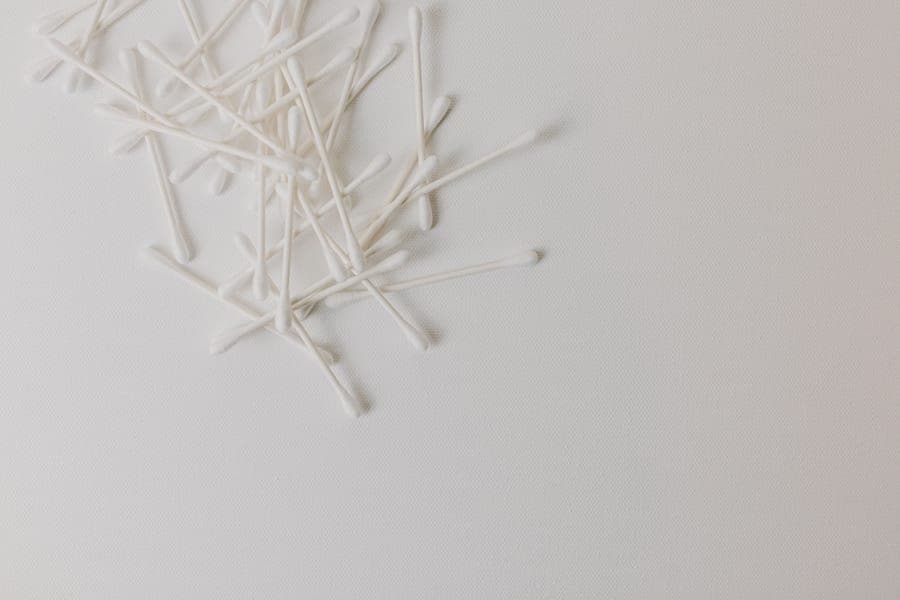
To clean headphone ear pads: remove them if they detach, dry-brush loose debris first, wipe with a microfibre cloth barely dampened with water and a trace of mild soap, dry-brush the driver grille with no liquid at all, and let everything air-dry fully away from heat before refitting. Never soak pads, never run them under a tap, and never let moisture reach the driver.
Why bother
A worn seal is a performance loss, not a cosmetic one
Total noise reduction in a headphone is active canceling plus passive isolation, and the passive half comes entirely from the pad making continuous contact with the side of your head. Anything that degrades that contact costs you real performance.
Two things degrade it. Skin oils, sweat and sunscreen break down the protein-leather coating on most pads, which cracks and then flakes. And the foam inside compresses permanently over time, so the pad sits lower and conforms less.
The loss is concentrated in the mid and high frequencies where passive sealing does the work — which is voices, keyboards and cabin transients. So an old headphone becomes relatively worse at exactly the noises active canceling cannot touch. Active canceling versus passive isolation explains the division.
Replacing the pads on a three-year-old headphone recovers more real performance than any firmware update ever will.
The steps
Five steps, and the two rules that matter most
- Remove the pads if they detach. Most twist or lift off a plastic retaining ring. Work round the edge gently with your fingers rather than levering with a tool. If they do not detach, clean them in place and be even more careful about moisture.
- Dry-brush first. A dry soft brush or dry cloth to lift skin flakes, dust and hair before anything damp touches the pad. Wetting debris first only pushes it into the material.
- Wipe with a barely damp cloth. Microfibre, water, a trace of mild soap, wrung out until it is barely moist. Never soak pads and never run them under a tap. Water inside the foam takes days to leave and can promote mold in a place you cannot inspect.
- Clean the grille separately, dry only. A dry soft brush on the driver grille under the pad. No liquid here, ever. Moisture reaching the driver can damage it permanently and is not a warranty matter.
- Dry fully before reassembly. Air-dry completely, away from direct heat and sunlight. Heat accelerates the breakdown of the coating, which is the thing you are trying to preserve — so no radiators and no hairdryers.
What not to use
Four things that will damage pads
| Do not use | Why |
|---|---|
| Alcohol or alcohol wipes | Strips the plasticizer from protein-leather coatings, which then crack within weeks |
| Household cleaners or degreasers | Far too aggressive for a soft coated material, and they leave residue against your skin |
| Running water or submersion | Water inside the foam takes days to leave and can promote mold you cannot see |
| A hairdryer or a radiator | Heat is what ages the coating fastest. Air-dry only |
| Anything abrasive | A scrubbing pad or a stiff brush tears the surface and accelerates flaking |
Alcohol is worth singling out because it is so commonly recommended. It does clean effectively, and it also removes the plasticizers that keep a coated pad flexible. A pad cleaned repeatedly with alcohol will crack noticeably sooner than one cleaned with a barely damp cloth.
When cleaning is not the answer
How to tell the pads need replacing
Cleaning maintains pads; it does not restore them. Four signs that you are past that point:
- Flaking. Small black or gray flakes on your ears or shirt after wearing them. The coating has broken down and there is no repair for that.
- Visible cracking. Particularly along the inside edge where the pad flexes most.
- They feel flatter. If your ears now touch the driver housing where they did not before, the foam has compressed permanently.
- Canceling seems worse. Especially against voices rather than drone, which is the signature of a lost passive seal rather than a failing active system.
Replacement pads are widely available for every flagship on this site, and they cost a small fraction of a new headphone. This is genuinely one of the most worthwhile small purchases in the category, and it is a good gift for anyone who has owned the same headphones for a few years — see best gifts for frequent flyers.
For earbuds
Ear tips are the equivalent, and more of a consumable
The same logic applies with two differences: tips are easier to clean, and they wear out faster.
Cleaning silicone tips
These can be removed and washed properly in warm water with a little mild soap, because silicone is non-porous. Rinse, dry fully, refit. That is a genuinely different instruction from pads, where soaking is forbidden.
Foam tips are consumable
Foam tips compress permanently over months and stop recovering their shape, which means they stop sealing. They cannot be washed the way silicone can. Treat them as something to replace two or three times a year rather than something to maintain.
The mesh in front of the driver
Wax accumulates on the small mesh screen inside the tip. A dry soft brush, held so the bud faces downward so debris falls out rather than in. Never push anything through the mesh — that pushes wax onto the driver.
If your earbuds seem to have lost canceling performance, the tips and that mesh are the first two things to check, and both are cheaper to fix than anything else — see best noise-canceling earbuds for flights.
Cadence
How often
| Task | How often | Note |
|---|---|---|
| Dry-brush pads | Monthly | Two minutes, prevents most build-up |
| Damp-wipe pads | Every few months | More often if you use them in heat |
| Inspect for cracking | Every few months | Check the inside edge first |
| Replace over-ear pads | Every 2-3 years | Sooner if flaking starts |
| Wash silicone ear tips | Monthly | Warm water and mild soap, fully dry |
| Replace foam ear tips | Every 3-6 months | They compress permanently and stop sealing |
Travel accelerates all of this. Heat, sweat, sunscreen and being packed damp are all hard on pad materials, so if you fly a lot, treat the shorter end of each range as your cadence — and see how to pack headphones for travel for keeping the case out of direct sun.
In short
Key takeaways
- A degraded pad seal costs real noise-reduction performance, concentrated in voices rather than drone.
- Dry-brush first, then a barely damp microfibre cloth. Never soak pads or run them under a tap.
- No liquid anywhere near the driver grille — dry brush only.
- Do not use alcohol: it strips the plasticizers and the coating cracks within weeks.
- Flaking, cracking, flattening or worse performance against voices all mean replace rather than clean.
- Silicone ear tips CAN be washed properly. Foam tips are a consumable — replace them two or three times a year.
At a glance
Quick picks
Scores are our editorial judgment from published specifications and cited third-party measurements, not our own testing. The rubric is published in full. Tap any row for the full write-up.
| # | Product | Best for | Score | Price |
|---|---|---|---|---|
| 1 | 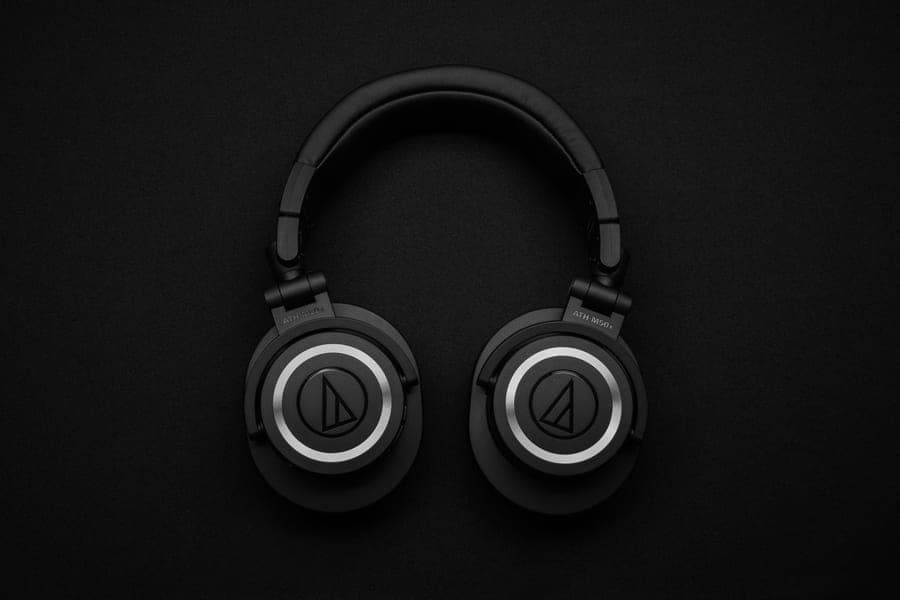 Sennheiser MOMENTUM 4 WirelessSennheiser publishes up to 60 hours. That is the difference between charging at the gate and not thinking about a charger for an entire two-week trip. | Best pads to look after | 8.88.8 out of 10, our editorial score | |
| 2 | 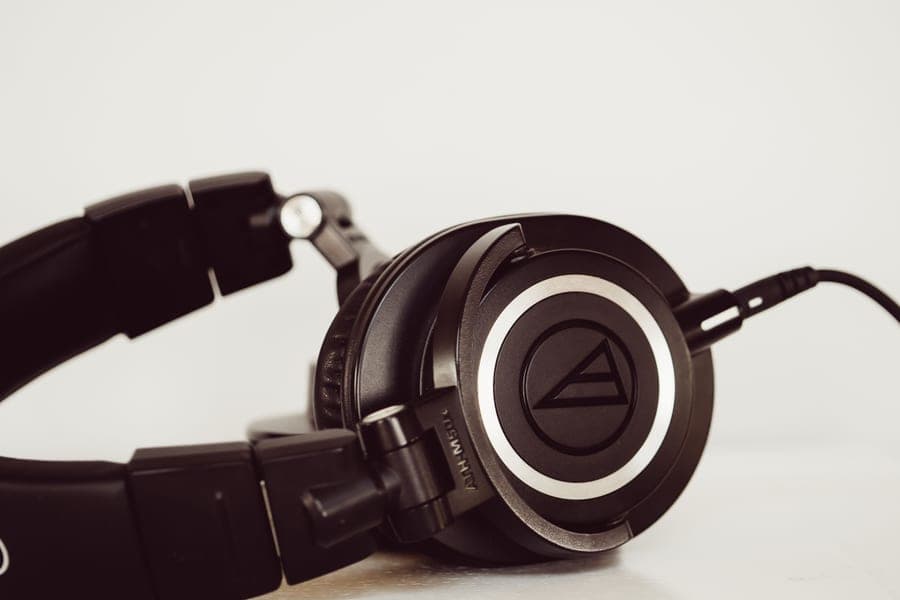 Bose QuietComfort Ultra Headphones (2nd Gen)The quietest cabin of anything here, and the only over-ear in this group whose box already contains the audio cable a seatback screen needs. | Where the seal matters most | 9.09.0 out of 10, our editorial score | |
| 3 | 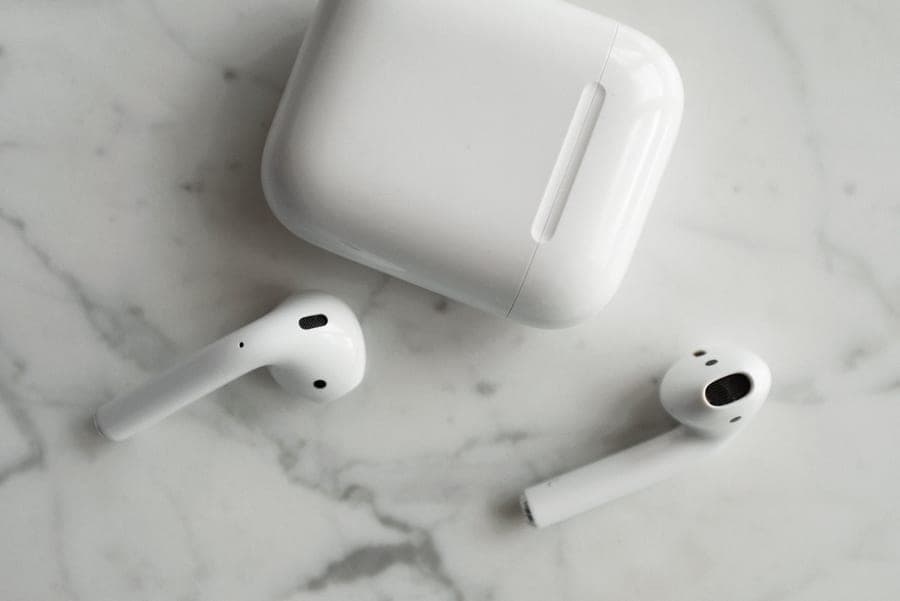 Apple AirPods Pro 3Eight rated hours with canceling on, foam tips in five sizes and an IP57 rating. If your phone is an iPhone this is the least friction of anything here. | The earbud equivalent | 8.88.8 out of 10, our editorial score |
#ad Amazon links are affiliate links. No live price is shown anywhere on this site, so every button reads “Check price on Amazon”. How this is funded.
The picks in full
Every pick, in detail
1. Best pads to look after
Sennheiser MOMENTUM 4 Wireless
Sennheiser publishes up to 60 hours. That is the difference between charging at the gate and not thinking about a charger for an entire two-week trip.
Our editorial score: 8.8 / 10
#ad Live price not shown. How this is funded
Also sold direct by Sennheiser — we earn nothing there, so check both.
The deepest, softest pads on this site, and therefore the ones where maintenance pays back most. A deep pad seals without needing to compress your ears against the driver housing, and keeping it supple is what preserves that.
Also the gentlest clamp here, which means less mechanical stress on the pad material over time.
What works on a plane
- Up to 60 rated hours, roughly double the flagship norm
- The 1.2 m 3.5 mm cable is in the box, so seatback screens work straight out of the bag
- Fold-flat earcups make the carry case slim rather than deep
- The 42 mm transducer is the most relaxed listen here over a very long session
What does not
- Published measurements consistently place its noise canceling a step behind the Bose
- The case is broad, so it eats width in a personal item even though it is slim
- Fold-flat is not fold-up, so the footprint is larger than the Sony's
How it scores against the five travel axes
Published specifications
| Spec | Figure | Source |
|---|---|---|
| Battery | Up to 60 hours playback | Sennheiser |
| Weight | Approx. 293-295 g | Sennheiser / published reviews |
| Transducer | 42 mm | Sennheiser |
| In the box | Carry case, USB-C cable, 1.2 m 3.5 mm auxiliary cable | Sennheiser |
| Folds | Fold-flat earcups | Sennheiser |
2. Where the seal matters most
Bose QuietComfort Ultra Headphones (2nd Gen)
The quietest cabin of anything here, and the only over-ear in this group whose box already contains the audio cable a seatback screen needs.
Our editorial score: 9.0 / 10
#ad Live price not shown. How this is funded
Also sold direct by Bose — we earn nothing there, so check both.
The pad seal is doing more work on the Bose than on anything else here, because Bose’s firm clamp and strong passive isolation are a deliberate part of how it achieves class-leading total reduction.
Which means degraded pads cost a Bose owner more than they cost anyone else. If you own these, this page is the one to act on.
What works on a plane
- The best low-frequency canceling in this group, which is exactly the band engine drone lives in
- The 2.5 mm-to-3.5 mm cable is in the box, so a seatback screen needs nothing extra
- Compact hard case for a full-size over-ear
- Up to 45 hours with canceling off, if you only want isolation on a train
What does not
- Immersive Audio costs you a third of the battery, dropping to 23 rated hours
- Heavier than the Sony by roughly 10 g, and clamp is firmer out of the box
- The hard case is compact but still rigid, so it will not squash into a full bag
How it scores against the five travel axes
Published specifications
| Spec | Figure | Source |
|---|---|---|
| Battery, ANC on | Up to 30 hours | Bose |
| Battery, ANC off | Up to 45 hours | Bose |
| Battery, Immersive Audio on | Up to 23 hours | Bose |
| Weight | Approx. 264 g (9.3 oz) as reported | Published reviews |
| USB-C audio | 16-bit, 44.1 or 48 kHz lossless input | Bose support |
| In the box | Hard case, USB-C cable, 2.5 mm-to-3.5 mm audio cable | Bose |
| Folds | Earcups rotate flat into a compact hard case | Bose |
Read the full Bose QuietComfort Ultra Headphones (2nd Gen) review
3. The earbud equivalent
Apple AirPods Pro 3
Eight rated hours with canceling on, foam tips in five sizes and an IP57 rating. If your phone is an iPhone this is the least friction of anything here.
Our editorial score: 8.8 / 10
#ad Live price not shown. How this is funded
Also sold direct by Apple — we earn nothing there, so check both.
For earbuds the equivalent maintenance is the ear tips, and foam tips in particular are a genuine consumable — they compress permanently over months and stop sealing.
Apple shipping five sizes of foam makes this both better and more consequential: the seal is excellent when fresh and degrades noticeably as the foam ages. Replacing tips is cheap and is the single highest return upgrade for any earbud.
What works on a plane
- Eight rated hours and 24 with the case, matching the best of the premium earbuds
- Foam tips in five sizes solve the fit problem that ruins canceling on most buds
- IP57 on both buds and case is the toughest rating in this group
- Live Translation and heart-rate sensing are genuinely useful abroad, not spec-sheet filler
What does not
- Apple's 2x noise figure is a manufacturer claim measured against its own predecessor, not an independent measurement
- The best features need an iPhone; on Android it is a good but ordinary earbud
- No wired option, so in-flight entertainment needs a transmitter
How it scores against the five travel axes
Published specifications
| Spec | Figure | Source |
|---|---|---|
| Battery, ANC on | 8 hours listening | Apple tech specs |
| Battery, Transparency | Up to 10 hours | Apple tech specs |
| Total with case | Up to 24 hours with ANC | Apple tech specs |
| Quick charge | 5 minutes in the case gives around 1 hour | Apple tech specs |
| Ear tips | Foam tips in five sizes | Apple |
| Water resistance | IP57, buds and case | Apple |
| Apple's ANC claim | Removes up to 2x more noise than AirPods Pro 2 | Apple newsroom |
Questions
Common questions
How do you clean headphone ear pads?
Dry-brush loose debris first, then wipe with a microfibre cloth barely dampened with water and a trace of mild soap. Dry-brush the driver grille with no liquid at all, and let everything air-dry fully away from heat before refitting. Never soak pads or run them under a tap.
Can I use alcohol wipes on ear pads?
No. Alcohol strips the plasticizers that keep a coated pad flexible, and a pad cleaned repeatedly with it will crack noticeably sooner. It is one of the most commonly recommended and most damaging suggestions for this job.
How do I know when to replace ear pads?
Four signs: flaking onto your ears or shirt, visible cracking along the inside edge, the pads feeling flatter so your ears now touch the driver housing, and canceling that seems worse against voices rather than drone — which is the signature of a lost passive seal.
Does replacing ear pads improve noise canceling?
It restores it. Passive isolation comes from the pad sealing against your head, and worn pads seal worse. Replacing the pads on a headphone you have owned for a few years recovers more real performance than any firmware update will.
Can I wash ear tips for earbuds?
Silicone tips yes — remove them and wash in warm water with a little mild soap, then dry fully. Foam tips no: they cannot be washed and they compress permanently over months, so treat them as a consumable to replace two or three times a year.
How do I clean the mesh inside an earbud?
A dry soft brush, with the bud held facing downward so debris falls out rather than in. Never push anything through the mesh, because that pushes wax onto the driver. If your earbuds have lost performance, this and the tips are the first two things to check.
Sources
Where these figures come from
Read next
Related reading
- Active canceling vs passive isolation
Why a worn seal costs you voices rather than drone.
- How to pack headphones for travel
Including keeping the case out of direct heat.
- Best headphones for glasses wearers
Worn pads make the glasses problem noticeably worse.
- Best noise-canceling earbuds for flights
Where tip condition decides real-world performance.
- Best gifts for frequent flyers
Replacement pads are a better small gift than they sound.