
Noise-canceling headphones hurt for one of three reasons. Clamp force causes a dull ache above the ear or behind the jaw that builds over an hour. Pad contact causes a specific sore point where your ear touches the inside of the cup. And active canceling itself produces a mild pressure or fullness sensation, like a change in altitude, which disappears the instant you switch canceling off. The third is the only one that is not a fit problem.
Diagnose first
A five-minute test to tell the three apart
Do this before you buy anything. It costs nothing and it determines which of three completely different fixes you need.
- Switch canceling off, keep the headphones on. If the discomfort fades within a minute or two while the headphones are still on your head, the cause is the canceling processing, not the fit.
- Take the headphones off and press the pads gently against your head by hand. If you can reproduce the ache with light pressure, the cause is clamp.
- Look for one specific sore spot. A localized point, usually at the top or back of the ear, means your ear is contacting the inside of the cup. That is pad depth, not clamp.
Cause one
Clamp force
The grip of the headband against the sides of your head. It is the most common cause by a wide margin, it builds gradually rather than hurting immediately, and the sensation is a dull ache above the ear, around the temple, or behind the jaw where the pad presses on the hinge of your jaw.
What fixes it
- Stretch the band. Rest the headphones over a box or a stack of books slightly wider than your head for a day or two. This is the standard fix and it works on most designs.
- Raise the band a notch. Moving the cups down on the slider shifts the load further back on your skull instead of straight down on the crown.
- Buy lighter. Weight and clamp trade against each other, because a lighter headphone needs less grip to stay in place. The lightest canceling headphones has the published figures.
No manufacturer publishes clamp force, which is why this is hard to shop for. Weight is the proxy, and owner reports of the specific model are worth more than any spec sheet.
Cause two
Pad contact and pad heat
An over-ear headphone is meant to enclose your ear with the pad sealing against your head around it. If the pad opening is too small or too shallow, your ear touches the driver housing instead, and after an hour that single contact point is all you can think about.
What fixes it
- Replace the pads with deeper ones. The cheapest real fix available, and it also restores clamp that has relaxed with age.
- Switch pad material for heat. Coated pads isolate slightly better and run warmer; fabric runs cooler and isolates slightly less. If the problem is damp, hot ears rather than pressure, this is your lever.
- Keep them clean. Skin oils break pad coatings down, which changes both comfort and seal — how to clean headphone ear pads covers doing it without damaging them.
If you wear glasses, this cause and the previous one combine: the arm sits between pad and head and concentrates pressure on your temple. Best headphones for glasses wearers ranks for pad softness specifically because of it.
Cause three
The sensation canceling itself produces
This is the one people find hardest to describe: a feeling of pressure, fullness or suction, often compared to a change in cabin altitude, with no physical soreness anywhere. It appears within seconds of switching canceling on and disappears within seconds of switching it off.
It is a perceptual effect rather than a mechanical one. Your hearing system expects a relationship between what you see, what you feel and the low-frequency sound around you. Canceling removes the low-frequency component while everything else stays the same, and some people experience that mismatch as pressure. Nothing is actually pushing on your eardrum.
What helps
- Use a lower canceling setting if the headphone has one, or transparency mode in quiet environments.
- Build up exposure. Many people stop noticing it after a week or two of regular use.
- Switch to passive isolation. If it never stops bothering you, a well-sealed wired earbud or a closed-back headphone with no processing gives you quiet without the effect at all — active canceling vs passive isolation sets out what you give up.
Worth separating clearly from the safety question: this sensation is not evidence of harm. Are noise-canceling headphones bad for your ears? deals with that separately, and the short version is that the hearing risk comes from volume, not from canceling.
If the discomfort disappears when you press the button rather than when you take them off, the fit was never the problem.
Earbuds
When the pain is inside the canal
Earbud pain is a different problem with a different fix. The usual cause is a tip that is too large or an insertion depth that is too deep, and the sensation is a stretching ache inside the canal rather than an ache around the ear.
Go down a tip size before you go up: a smaller tip that seals is more comfortable than a larger one that wedges. Foam tips distribute pressure better than silicone for many people. And shallow-insertion designs exist specifically for this — best earbuds for small ears covers the fit end of it.
Reference
Symptom to cause to fix
| What it feels like | Likely cause | First thing to try |
|---|---|---|
| Dull ache above the ear or at the temple, builds over an hour | Clamp force | Stretch the band over something wider than your head for a day |
| One specific sore point on the ear itself | Pad too shallow or opening too small | Replace with deeper pads |
| Hot, damp ears with no soreness | Pad material and heat | Switch to fabric pads, or take a break each hour |
| Pressure or fullness, like altitude change, no soreness | The canceling processing itself | Lower the canceling setting; it fades for most people with use |
| Stretching ache inside the canal | Earbud tip too large or too deep | Go down a tip size, or try foam tips |
| Pressure at the temple only when wearing glasses | Arm of the glasses under the pad | Softer pads, thinner frames |
What to look for
What to buy, once you know the cause
- Clamp pain: buy for a gentle grip, using published weight as the proxy. Under about 270 g for a canceling over-ear is the comfortable band.
- Pad contact: buy for pad depth and a large opening, and confirm pads are replaceable before you commit.
- The canceling sensation: buy something with adjustable canceling levels, or stop buying canceling and buy a good passive seal instead.
- Canal pain: buy a shallow-insertion earbud with several stabilizer or tip sizes in the box.
In short
Key takeaways
- Three causes: clamp force, pad contact, and the pressure sensation canceling itself produces.
- Test by switching canceling off while keeping the headphones on. If it fades, the fit was never the issue.
- Clamp pain is fixed by stretching the band, raising it a notch, or buying lighter.
- A single sore point on the ear means shallow pads — replace them with deeper ones.
- The canceling pressure sensation is perceptual, not mechanical, and it fades for most people with regular use.
- Earbud canal pain usually means a tip that is too large or inserted too deep, not too small.
At a glance
Quick picks
Scores are our editorial judgment from published specifications and cited third-party measurements, not our own testing. The rubric is published in full. Tap any row for the full write-up.
| # | Product | Best for | Score | Price |
|---|---|---|---|---|
| 1 | 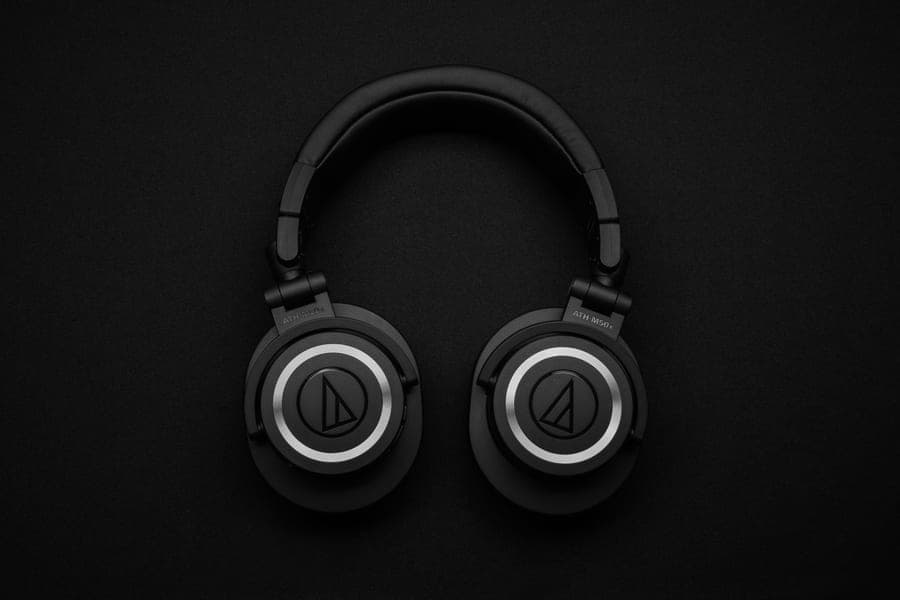 Sennheiser MOMENTUM 4 WirelessSennheiser publishes up to 60 hours. That is the difference between charging at the gate and not thinking about a charger for an entire two-week trip. | If the cause is clamp force | 8.88.8 out of 10, our editorial score | |
| 2 | 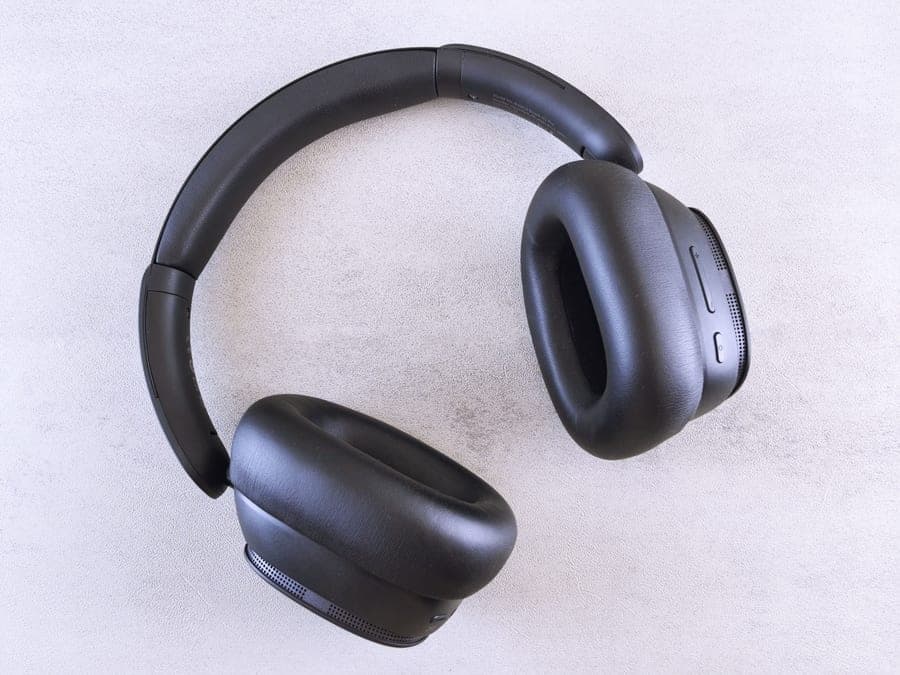 Sony WH-1000XM6The most complete travel headphone on sale: 254 g, 30 rated hours with noise canceling on, and it folds into a case small enough to stop being a decision. | If the cause is weight on your head | 9.19.1 out of 10, our editorial score | |
| 3 | 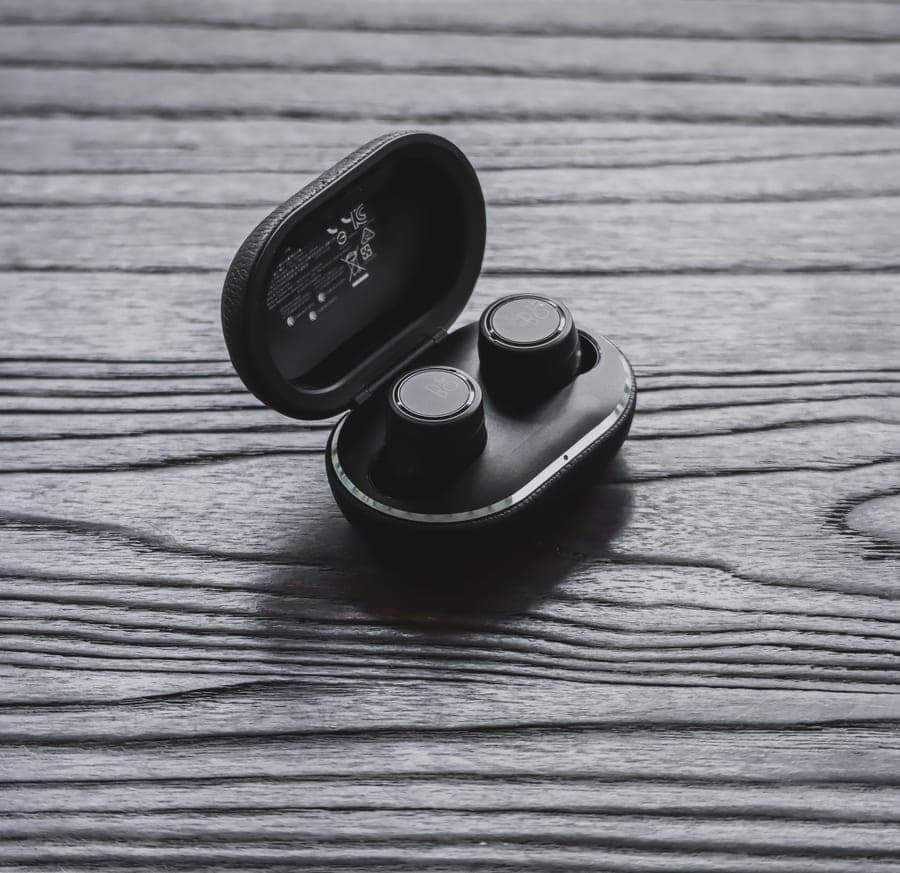 Bose QuietComfort Ultra Earbuds (2nd Gen)The quietest earbuds you can put in a pocket, with the shortest single-charge runtime of the premium set: six rated hours, four with Immersive Audio on. | If the pain is inside your ear canal | 8.48.4 out of 10, our editorial score |
#ad Amazon links are affiliate links. No live price is shown anywhere on this site, so every button reads “Check price on Amazon”. How this is funded.
The picks in full
Every pick, in detail
1. If the cause is clamp force
Sennheiser MOMENTUM 4 Wireless
Sennheiser publishes up to 60 hours. That is the difference between charging at the gate and not thinking about a charger for an entire two-week trip.
Our editorial score: 8.8 / 10
#ad Live price not shown. How this is funded
Also sold direct by Sennheiser — we earn nothing there, so check both.
The headphone to move to if the ache is above your ear or behind your jaw and it builds over an hour. This is the gentlest clamp of any over-ear on this site, which is the single variable that decides whether a long sitting is comfortable.
Up to 60 rated hours of playback, a 42 mm transducer, approximately 293-295 g, and a 1.2 m 3.5 mm cable in the box. Sennheiser lists it at $299.95 at the time of writing.
Note it is not the lightest here. If weight on the crown of your head is the complaint rather than side pressure, the Sony below is the better move.
What works on a plane
- Up to 60 rated hours, roughly double the flagship norm
- The 1.2 m 3.5 mm cable is in the box, so seatback screens work straight out of the bag
- Fold-flat earcups make the carry case slim rather than deep
- The 42 mm transducer is the most relaxed listen here over a very long session
What does not
- Published measurements consistently place its noise canceling a step behind the Bose
- The case is broad, so it eats width in a personal item even though it is slim
- Fold-flat is not fold-up, so the footprint is larger than the Sony's
How it scores against the five travel axes
Published specifications
| Spec | Figure | Source |
|---|---|---|
| Battery | Up to 60 hours playback | Sennheiser |
| Weight | Approx. 293-295 g | Sennheiser / published reviews |
| Transducer | 42 mm | Sennheiser |
| In the box | Carry case, USB-C cable, 1.2 m 3.5 mm auxiliary cable | Sennheiser |
| Folds | Fold-flat earcups | Sennheiser |
2. If the cause is weight on your head
Sony WH-1000XM6
The most complete travel headphone on sale: 254 g, 30 rated hours with noise canceling on, and it folds into a case small enough to stop being a decision.
Our editorial score: 9.1 / 10
#ad Live price not shown. How this is funded
Also sold direct by Sony — we earn nothing there, so check both.
Approximately 254 g, the lightest canceling over-ear on this site, and the right change if the sore point is the top of your head rather than the sides.
Up to 30 rated hours with canceling on and 40 with it off, about 3.5 hours to a full charge, SBC, AAC, LDAC and LC3, and it folds into a case. Weight and clamp trade against each other, so the lightest flagship also tends to grip least.
It is not the deepest-pad option here, which matters if your ear is touching the inside of the cup rather than being enclosed by it.
What works on a plane
- Folds, which halves the space it takes in a personal item
- 254 g is light for a flagship over-ear, and weight is what you feel at hour four
- LDAC plus LC3 means it is not locked to one phone ecosystem
- 30 rated hours with noise canceling on covers almost any single routing
What does not
- You pay a flagship price for the last increment of noise canceling
- The folding hinge is one more mechanism to eventually wear out
- No airline two-prong adapter in the box
How it scores against the five travel axes
Published specifications
| Spec | Figure | Source |
|---|---|---|
| Weight | Approx. 254 g (9 oz) | Sony Help Guide specifications |
| Battery, NC on | Up to 30 hours | Sony specifications |
| Battery, NC off | Up to 40 hours | Sony specifications |
| Full charge | Approx. 3.5 hours | Sony Help Guide specifications |
| Bluetooth | 5.3 | Sony Help Guide specifications |
| Codecs | SBC, AAC, LDAC, LC3 | Sony Help Guide specifications |
| Wired response | 4 Hz - 40,000 Hz (IEC) | Sony Help Guide specifications |
| Folds | Yes, into a magnetic-closure case | Sony |
3. If the pain is inside your ear canal
Bose QuietComfort Ultra Earbuds (2nd Gen)
The quietest earbuds you can put in a pocket, with the shortest single-charge runtime of the premium set: six rated hours, four with Immersive Audio on.
Our editorial score: 8.4 / 10
#ad Live price not shown. How this is funded
Also sold direct by Bose — we earn nothing there, so check both.
Here for the specific case where the pain is from an earbud sitting too deep rather than from an over-ear pressing too hard. Insertion is shallow and three stabilizer band sizes are supplied, which is the most adjustable canal fit of any earbud on this site.
Up to 6 rated hours with Immersive Audio off, 4 with it on, up to 18 total with the case, IPX4, and a case that charges over USB-C or wirelessly.
It will not help with over-ear clamp pain, obviously, and it carries the usual earbud limit: six hours is a session, not a day.
What works on a plane
- Canceling that genuinely rivals a full-size over-ear, in something pocketable
- The shallow fit is far more tolerable than deep-insertion buds on a long flight
- Wireless case charging is one fewer cable in the bag
What does not
- Six rated hours means a case top-up mid-flight on any long-haul
- Immersive Audio cuts that to four, so on a plane you will mostly leave it off
- 18 hours total with the case is the weakest reserve in the premium earbud set
How it scores against the five travel axes
Published specifications
| Spec | Figure | Source |
|---|---|---|
| Battery, Immersive off | Up to 6 hours | Bose support |
| Battery, Immersive on | Up to 4 hours | Bose support |
| Total with case | Up to 18 hours | Bose support |
| Case charging | USB-C and wireless | Bose support |
| Water resistance | IPX4 | Bose support |
| Fit | Three stabilizer band sizes, shallow insertion | Bose |
Read the full Bose QuietComfort Ultra Earbuds (2nd Gen) review
Questions
Common questions
Why do noise-canceling headphones hurt my ears?
Most often clamp force, felt as a dull ache above the ear or behind the jaw that builds over an hour. Second most often pad depth, felt as one specific sore point where your ear touches the inside of the cup. Third, the canceling itself can produce a pressure or fullness sensation that disappears the moment you switch it off.
Why do noise-canceling headphones make my ears feel pressurized?
Because the canceling removes the low-frequency sound your hearing system expects to be there while everything else stays the same, and some people perceive that mismatch as pressure. Nothing is physically pushing on your eardrum, and the feeling stops within seconds of turning canceling off.
How do I stop my headphones from clamping too hard?
Rest them over a box or a stack of books slightly wider than your head for a day or two to relax the band. Lowering the cups a notch on the slider also shifts the load off the crown of your head. Replacing worn pads restores both depth and even pressure.
Does the noise-canceling pressure feeling go away?
For most people it fades within a week or two of regular use. If it does not, lower the canceling level where the headphone allows it, or switch to passive isolation — a well-sealed earbud or a closed-back headphone gives you quiet with none of the processing.
Why do my earbuds hurt inside my ear?
Usually a tip that is too large or inserted too deep, which stretches the canal. Try a smaller tip that still seals rather than a larger one, consider foam instead of silicone, and look at shallow-insertion designs if it keeps happening.
Sources
Where these figures come from
Read next
Related reading
- Are noise-canceling headphones bad for your ears?
The safety question, which is about volume rather than canceling.
- The comfiest wireless headphones
What to buy once you know clamp is the cause.
- How to clean headphone ear pads
Pad care, which affects both comfort and seal.
- Best headphones for glasses wearers
Where clamp and pad pressure combine on the temple.