1. Best noise canceling
Bose QuietComfort Ultra Headphones (2nd Gen)
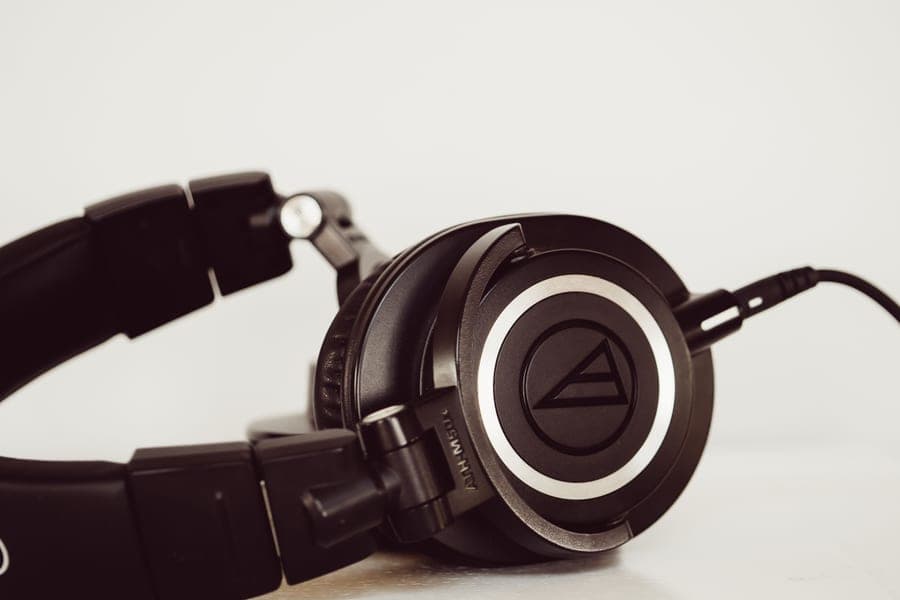
The quietest cabin of anything here, and the only over-ear in this group whose box already contains the audio cable a seatback screen needs.
Our editorial score: 9.0 / 10
#ad Live price not shown. How this is funded
Also sold direct by Bose — we earn nothing there, so check both.
Bose has spent longer than anyone else optimizing for exactly one problem: the continuous low-frequency drone of a pressurized cabin. The 2nd Gen QuietComfort Ultra is the current end of that work, and it is the quietest headphone on this site in the band that matters.
What is more interesting for a traveler is a small detail nobody puts on the box. A 2.5 mm-to-3.5 mm audio cable ships inside the case, in a pocket in the lid. That is the one accessory most flagships omit and most passengers discover they need somewhere over Greenland.
What works on a plane
- The best low-frequency canceling in this group, which is exactly the band engine drone lives in
- The 2.5 mm-to-3.5 mm cable is in the box, so a seatback screen needs nothing extra
- Compact hard case for a full-size over-ear
- Up to 45 hours with canceling off, if you only want isolation on a train
What does not
- Immersive Audio costs you a third of the battery, dropping to 23 rated hours
- Heavier than the Sony by roughly 10 g, and clamp is firmer out of the box
- The hard case is compact but still rigid, so it will not squash into a full bag
How it scores against the five travel axes
Published specifications
| Spec | Figure | Source |
|---|---|---|
| Battery, ANC on | Up to 30 hours | Bose |
| Battery, ANC off | Up to 45 hours | Bose |
| Battery, Immersive Audio on | Up to 23 hours | Bose |
| Weight | Approx. 264 g (9.3 oz) as reported | Published reviews |
| USB-C audio | 16-bit, 44.1 or 48 kHz lossless input | Bose support |
| In the box | Hard case, USB-C cable, 2.5 mm-to-3.5 mm audio cable | Bose |
| Folds | Earcups rotate flat into a compact hard case | Bose |
Read the full Bose QuietComfort Ultra Headphones (2nd Gen) review
The Bose QuietComfort Ultra Headphones (2nd Gen) is the quietest noise-canceling headphone you can fly with. Bose rates it at up to 30 hours with ANC on, up to 45 with ANC off, and up to 23 hours with Immersive Audio enabled — so the feature Bose markets hardest is the one that costs you a third of your battery. It is the only flagship here whose box already contains the 2.5 mm-to-3.5 mm cable a seatback screen needs.
The short version
Who this is for, and who it is not
Buy it if quiet is the whole point. If you are the kind of passenger who finds a long flight genuinely exhausting rather than merely boring, this removes more of the cause than anything else on sale, and the difference over the Sony is small but real.
Do not buy it if you pack extremely tight, because the Sony WH-1000XM6 folds properly and is roughly 10 g lighter. Do not buy it if you were planning to use Immersive Audio for the whole flight, because 23 rated hours is meaningfully less headroom than it sounds. And do not buy it if you find firm clamp uncomfortable — the Bose holds on harder than the Sony, which is part of how it gets the passive seal it depends on.
Criterion one
Cabin noise: this is what you are paying for
The energy in a cruising cabin is concentrated at low frequencies, mostly 50 to 300 Hz. Active canceling works by generating an inverted waveform, and it does that best when the incoming sound is continuous and predictable — which describes engine and airflow noise almost perfectly, and describes a conversation not at all.
Published measurements across the review set consistently put Bose at the front of this specific measurement, and the 2nd Gen extends rather than resets that position: Bose describes it as refining the generation before it with better battery, USB-C lossless input and smarter power behavior rather than replacing the core canceling technology. If you have used a previous QuietComfort Ultra, you are buying the same class of quiet with the rough edges filed down.
The thing you notice is not silence. It is that the pressure behind the sound is gone, and that hour six stops feeling like hour ten.
For the direct comparison rather than two separate reviews, read Bose QuietComfort Ultra versus Sony WH-1000XM6.
Criterion two
Battery across a long-haul, and the Immersive tax
Three figures matter and they are very different from each other:
| Mode | Rated hours | What it covers |
|---|---|---|
| ANC off | up to 45 | Isolation only, on a train or in an office. |
| ANC on | up to 30 | Any single routing plus its layover. |
| ANC on, Immersive Audio on | up to 23 | A 14-hour leg plus a layover, with nothing spare. |
Twenty-three hours is not a bad number in isolation — it beats the Apple AirPods Max in any mode. But it is a third less than the headline figure, and Immersive Audio is the feature Bose leads its marketing with. In practice most people will fly with it off and turn it on for a film, which is a sensible compromise the box does not explain.
The 2nd Gen also accepts audio over USB-C at 16-bit, 44.1 or 48 kHz. On a plane that is useful in a way it is not at home: a wired USB-C connection to a laptop or tablet sidesteps Bluetooth congestion in a cabin full of transmitting devices.
Criterion three
Pack size: compact, but rigid
The earcups rotate flat and the whole thing goes into a hard case that is genuinely compact for a full-size over-ear. What it does not do is fold up the way the Sony does, and the case is rigid rather than soft, so it holds its volume no matter how much you want it not to.
That is a real distinction and it is easy to underweight. A slim rigid case is fine in a backpack with a laptop sleeve. It is awkward in a half-full tote that you were hoping to compress under a seat. If carry-on volume is your binding constraint, read best foldable noise-canceling headphones before deciding.
Criterion four
Comfort past hour three
Reported weight is around 264 g, roughly 10 g more than the Sony and roughly 120 g less than the Apple. In this class that puts it firmly in the comfortable half, and the pad material is among the better ones for heat.
The caveat is clamp. Bose runs a firmer clamp than Sony, which is part of how it achieves its passive seal, and a firm clamp is exactly what someone with a wider head or glasses will notice first. It relaxes with use, as all of them do, but out of the box it is the tighter of the two flagships. If you wear glasses, look at best headphones for glasses wearers — a firm clamp plus spectacle arms is the specific combination that goes wrong.
Criterion five
The seatback screen: the cable is in the box
This is the quiet win and almost nobody mentions it. The case contains a pocket in the lid, and in that pocket is a 2.5 mm-to-3.5 mm cable along with the USB-C charging cable. The headphone side of the connection is 2.5 mm, so a standard aux cable will not do — which means if you lose the supplied one, replacing it is a slightly more specific errand than it sounds. Keeping it in the case is the whole discipline.
Older aircraft with twin sockets still want a two-prong adapter, which is not included. See airplane headphone jack adapters for the two-dollar fix, and Bluetooth headphones and in-flight entertainment for why your wireless headphones will not simply pair with the seat.
The alternatives
What else you should look at
- Sony WH-1000XM6 — 254 g, a proper folding hinge, and the same 30 rated hours. Slightly less quiet, noticeably easier to pack.
- Sennheiser MOMENTUM 4 Wireless — double the battery at up to 60 rated hours, and a 1.2 m aux cable included. A clear step behind on canceling.
- Bose QuietComfort Ultra Earbuds (2nd Gen) — the same canceling philosophy in something pocketable, at the cost of dropping from 30 rated hours to six.
- Apple AirPods Max — also excellent canceling, and a far worse travel proposition at 386.2 g with no fold.
Where it sits in our roundups
It takes the noise-canceling slot in best noise-canceling headphones for flights, appears in best headphones for long-haul flights and best noise-canceling headphones for an open-plan office, and is the reference point in Bose versus Sony.
In short
Key takeaways
- The quietest cabin on this site, in the 50 to 300 Hz band that engine drone occupies.
- 30 rated hours with ANC on, but only 23 with Immersive Audio enabled — plan around the lower figure if you use it.
- The 2.5 mm-to-3.5 mm seatback cable ships in the case lid. Almost no competitor includes one.
- Compact hard case, but it rotates flat rather than folding up, and a rigid case does not compress.
- Firmer clamp than the Sony, which matters most if you wear glasses.
How we decide
How these picks were chosen
We do not run a test lab and we do not claim to have flown with these units. Every verdict on this page is one of three things: a measurement published by somebody who does own a test rig and is credited by name, a manufacturer specification we quote and then interpret against what a long flight actually demands, or a plainly-labeled editorial judgment. The five axes we score on — cabin-noise reduction, battery on a long-haul, pack size, comfort past hour three, and wired fallback — are the ones that decide a travel purchase, and the weighting is published in full.
Questions
Common questions
Is the Bose QuietComfort Ultra the best for noise canceling?
On the evidence available, yes — published measurements across the review set consistently place Bose ahead in the deepest low frequencies, which is where cabin noise concentrates. The gap over the Sony WH-1000XM6 is real but small, and the Sony wins the overall travel argument on weight and fold size.
How long does the battery last with Immersive Audio on?
Bose rates it at up to 23 hours with Immersive Audio enabled, against up to 30 hours with ANC alone and up to 45 with ANC off. On a long-haul plus a layover, 23 hours works but leaves little margin, so most travelers will want it off for the flight and on for a film.
Does it come with a cable for in-flight entertainment?
Yes. A 2.5 mm-to-3.5 mm audio cable ships in a pocket in the case lid, which is unusual — most flagships omit it. Older aircraft with twin sockets still need a two-prong adapter, which is not included.
Does it fold for travel?
The earcups rotate flat and it packs into a compact hard case, but it does not fold up the way the Sony WH-1000XM6 does. The case is genuinely small for a full-size over-ear, though rigid, so it will not compress into an already-full bag.
Can it take audio over USB-C?
Yes. Bose lists USB-C audio input at 16-bit, 44.1 or 48 kHz. On a plane that is genuinely useful, because a wired connection to a laptop or tablet sidesteps Bluetooth congestion in a cabin full of transmitting devices.
Sources
Where these figures come from
Read next
Related reading
- Bose QuietComfort Ultra vs Sony WH-1000XM6
Quietest cabin against lightest and most packable.
- AirPods Max vs Bose QuietComfort Ultra
Ecosystem against quiet, with the cable question deciding it.
- Bose QuietComfort Ultra vs QuietComfort
Whether the Ultra premium is worth it inside one brand.
- Best noise-canceling headphones for flights
The full field, and where the Bose takes the quiet slot.