
They remove opposite halves of the noise, so neither is simply better. Foam earplugs block higher frequencies well and 3M rates its E-A-R Classic at 29 dB NRR and its E-A-Rsoft range at 33 dB NRR, while active canceling targets the steady low frequencies earplugs are weakest at — which is why canceling wins on a plane and earplugs win against voices. Only earplugs and earmuffs carry a certified Noise Reduction Rating; no canceling headphone has one.
The core split
Each one handles the half the other cannot
An earplug is a physical barrier. It attenuates by blocking sound from reaching the eardrum, and barriers are efficient against short wavelengths — higher frequencies — and poor against long ones. Low-frequency energy goes around and through small barriers, and some of it reaches your inner ear through the bone of your skull regardless of what is in your canal.
Active canceling is the mirror image. It samples the incoming noise and generates an inverted waveform, which only works when the noise is predictable enough to model. Low, steady tones are easy to predict; a door slamming is not. So canceling is strong at the bottom of the range and almost useless at the top.
Put plainly: the earplug covers roughly the band the canceling cannot, and vice versa. This is the same mechanism that active canceling versus passive isolation works through inside a single headphone — a foam plug is simply the passive half on its own, taken further.
These are not rivals. An earplug and a canceling headphone are two halves of one answer, and most arguments about them are people describing different noise.
The certified number
Only one side of this has a rating at all
Earplugs and earmuffs sold as hearing protection in the US carry a Noise Reduction Rating, a single figure derived from a defined laboratory test. It is a real, comparable, regulator-recognized number.
Noise-canceling headphones carry no NRR, because they are not certified hearing protection and are not tested as such. There is no equivalent figure to compare. When a canceling headphone advertises a percentage of noise removed, that is the manufacturer’s own claim by its own method, and the ones on this site are labeled as such throughout.
| Product | Rating | Type of figure |
|---|---|---|
| 3M E-A-R Classic foam earplugs | 29 dB NRR | Certified laboratory rating |
| 3M E-A-Rsoft foam earplugs | 33 dB NRR | Certified laboratory rating |
| 3M WorkTunes Connect earmuff | 26 dB NRR | Certified laboratory rating |
| ISOtunes LINK 2.0 earmuff | 25 dB NRR, ANSI certified | Certified laboratory rating |
| Any noise-canceling headphone | None published | No certified rating exists |
One more thing worth knowing before you take any of those numbers at face value: 3M itself states that it is recommended the NRR be reduced by 50 percent to better estimate typical protection, because real-world fit varies. Treat an NRR as a ceiling, not a promise.
Situation by situation
Which one actually wins, and where
| Situation | Better choice | Why |
|---|---|---|
| Cruising at altitude | Canceling headphones | Steady low-frequency drone is precisely what canceling is good at and plugs are worst at. |
| A crying baby or conversation nearby | Earplugs | Irregular, higher-frequency sound. A physical barrier does more than any processor. |
| Sleeping in a noisy hotel | Earplugs | Nothing to charge, nothing pressed against your head while lying on your side. |
| A train or a coach | Canceling headphones | Low-frequency road and engine noise, and you want to listen to something anyway. |
| Power tools, a mower, a workshop | Certified protection only | This is a hearing-damage question. Canceling carries no NRR and protects nothing. |
| An open-plan office | Neither alone | Speech is the hardest case. The pad seal plus something to listen to does most of the work. |
| You want to hear nothing at all | Both, stacked | Plugs under over-ear canceling covers both halves of the range. It is also the least comfortable option. |
Stacking
Wearing both, which is a real technique
Foam earplugs under canceling over-ears is the quietest combination available to a passenger, and people who genuinely need silence do it. The plugs take the frequencies the processor cannot and the processor takes the ones the plugs cannot.
Two caveats. It is uncomfortable for a long stretch, because you have a pad clamping over an already-occupied ear canal. And you will not hear announcements or a flight attendant, which on a plane is a trade-off to make deliberately rather than by accident. The page for people buying these to hear nothing is honest about where the ceiling sits.
What to look for
How to choose between them
- Identify the frequency, not the loudness. Is it a steady hum or is it people? Hum means canceling. People means a barrier. Getting this wrong is why most purchases disappoint.
- Ask whether you want to listen to anything. If yes, you want a headphone of some kind, and the only question is which half of the range it handles. If no, plugs are cheaper, lighter and need no charge.
- If hearing damage is the risk, buy certified. A published NRR from a protector, not a marketing percentage from a headphone. Then derate it by half, which is what 3M itself recommends.
- Consider whether you will be lying down. An over-ear pressed between your head and a window is the worst case for comfort. Plugs or a very light earbud win there.
In short
Key takeaways
- Earplugs block higher frequencies; active canceling removes steady low frequencies. They cover opposite halves.
- 3M rates E-A-R Classic foam plugs at 29 dB NRR and the E-A-Rsoft range at 33 dB NRR.
- No noise-canceling headphone carries a certified Noise Reduction Rating. Percentage claims are the manufacturer's own.
- 3M recommends reducing an NRR by 50 percent to estimate typical real-world protection.
- Canceling wins on a plane, a train and a coach. Earplugs win against voices, a baby, and a hotel room.
- For power tools, only certified protection counts — canceling headphones protect nothing.
At a glance
Quick picks
Scores are our editorial judgment from published specifications and cited third-party measurements, not our own testing. The rubric is published in full. Tap any row for the full write-up.
| # | Product | Best for | Score | Price |
|---|---|---|---|---|
| 1 | 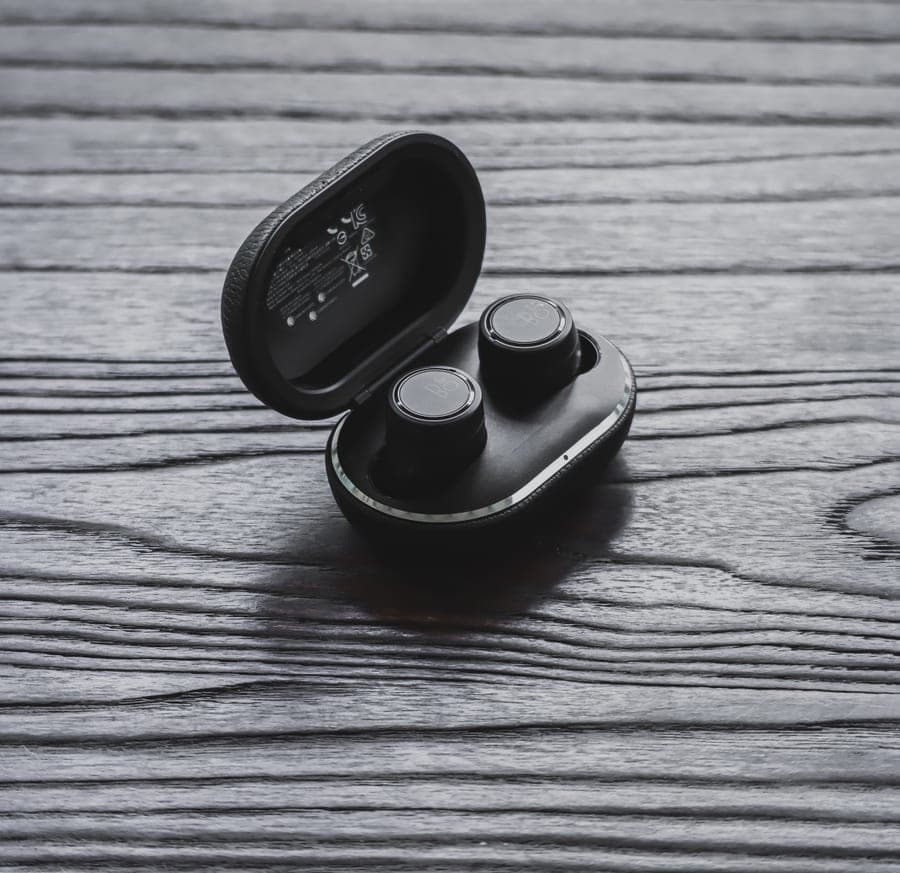 Bose QuietComfort Ultra Earbuds (2nd Gen)The quietest earbuds you can put in a pocket, with the shortest single-charge runtime of the premium set: six rated hours, four with Immersive Audio on. | Closest thing to both at once | 8.48.4 out of 10, our editorial score | |
| 2 | 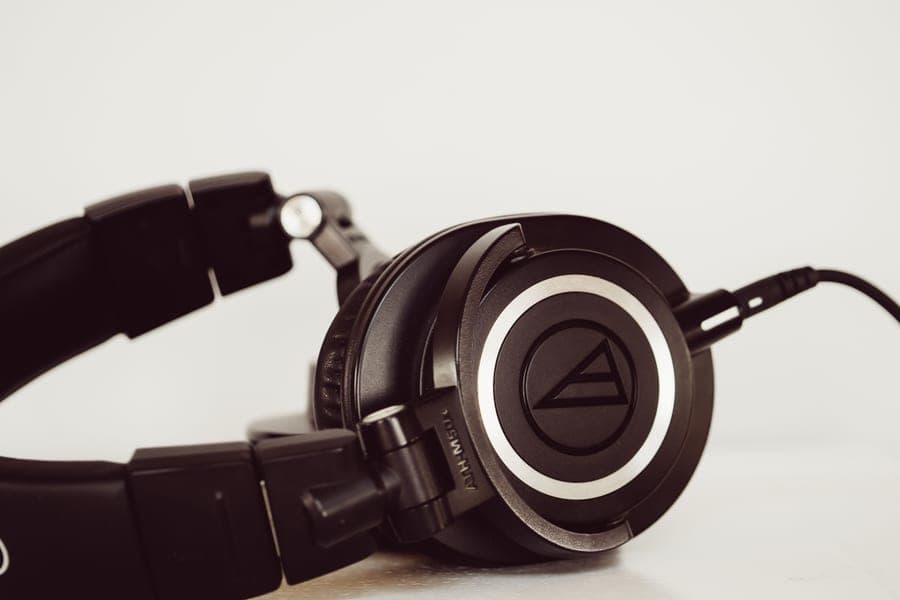 Bose QuietComfort Ultra Headphones (2nd Gen)The quietest cabin of anything here, and the only over-ear in this group whose box already contains the audio cable a seatback screen needs. | Best at the half earplugs are bad at | 9.09.0 out of 10, our editorial score | |
| 3 | 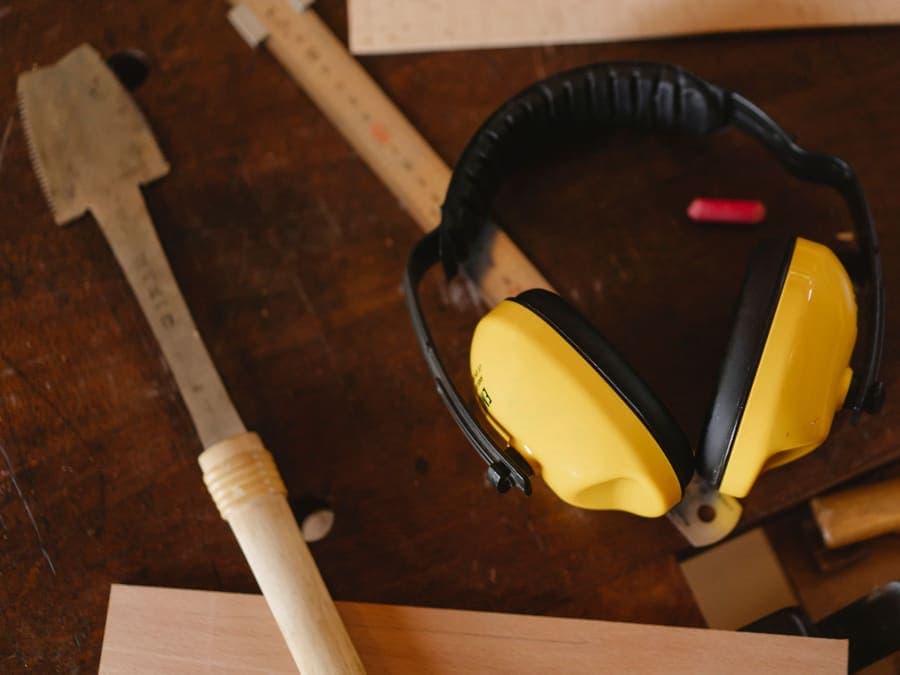 3M WorkTunes ConnectA certified hearing protector that happens to stream Bluetooth, which is the right way round for a petrol mower. Noise canceling headphones protect nothing. | When you need a certified number | 8.78.7 out of 10, our editorial score | |
| 4 | 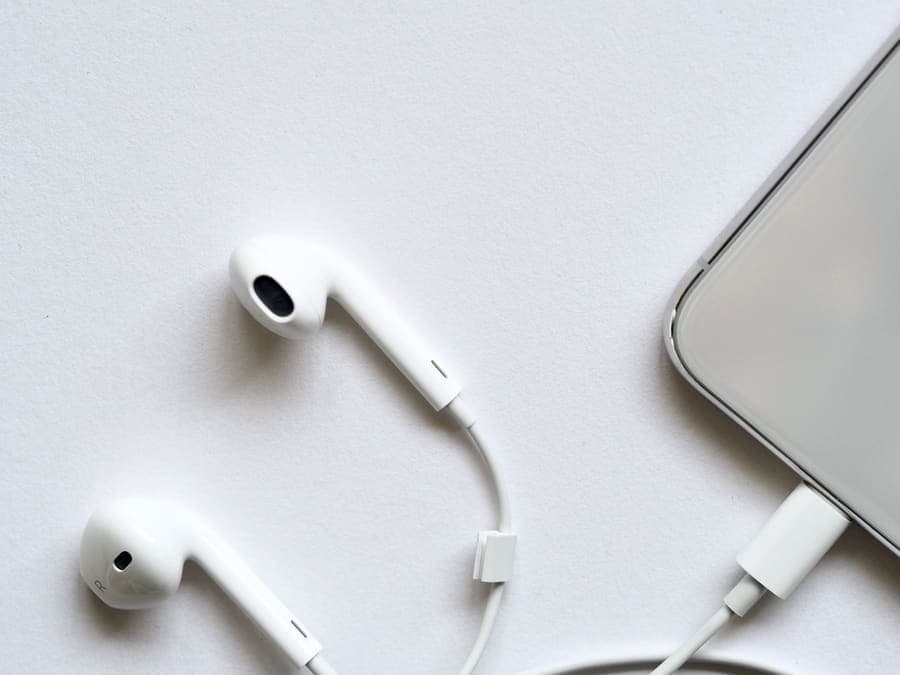 Sennheiser IE 200A wired in-ear monitor with a published specification sheet rather than a marketing number: 4 g per side, a 7 mm dynamic driver and tips you can mount two ways to change the bass. | Passive isolation with no electronics | 8.78.7 out of 10, our editorial score |
#ad Amazon links are affiliate links. No live price is shown anywhere on this site, so every button reads “Check price on Amazon”. How this is funded.
The picks in full
Every pick, in detail
1. Closest thing to both at once
Bose QuietComfort Ultra Earbuds (2nd Gen)
The quietest earbuds you can put in a pocket, with the shortest single-charge runtime of the premium set: six rated hours, four with Immersive Audio on.
Our editorial score: 8.4 / 10
#ad Live price not shown. How this is funded
Also sold direct by Bose — we earn nothing there, so check both.
The product that gets nearest to having this both ways: a sealing tip providing passive isolation at the top of the range, and the deepest low-frequency canceling available in an earbud underneath it.
Shallow insertion with three stabilizer band sizes, up to 6 rated hours with Immersive Audio off, 4 with it on, up to 18 total with the case, IPX4 and wireless case charging.
Be clear what it is not: there is no Noise Reduction Rating on it, because no canceling product is certified. For a plane that is irrelevant. For a workshop it is the whole point.
What works on a plane
- Canceling that genuinely rivals a full-size over-ear, in something pocketable
- The shallow fit is far more tolerable than deep-insertion buds on a long flight
- Wireless case charging is one fewer cable in the bag
What does not
- Six rated hours means a case top-up mid-flight on any long-haul
- Immersive Audio cuts that to four, so on a plane you will mostly leave it off
- 18 hours total with the case is the weakest reserve in the premium earbud set
How it scores against the five travel axes
Published specifications
| Spec | Figure | Source |
|---|---|---|
| Battery, Immersive off | Up to 6 hours | Bose support |
| Battery, Immersive on | Up to 4 hours | Bose support |
| Total with case | Up to 18 hours | Bose support |
| Case charging | USB-C and wireless | Bose support |
| Water resistance | IPX4 | Bose support |
| Fit | Three stabilizer band sizes, shallow insertion | Bose |
Read the full Bose QuietComfort Ultra Earbuds (2nd Gen) review
2. Best at the half earplugs are bad at
Bose QuietComfort Ultra Headphones (2nd Gen)
The quietest cabin of anything here, and the only over-ear in this group whose box already contains the audio cable a seatback screen needs.
Our editorial score: 9.0 / 10
#ad Live price not shown. How this is funded
Also sold direct by Bose — we earn nothing there, so check both.
If the noise you want gone is a steady low-frequency drone — a jet engine, a train, a road outside the window — this removes more of it than any earplug will, because earplugs are weakest at exactly those frequencies.
Up to 30 rated hours with canceling on, up to 45 with it off, and the 2.5 mm-to-3.5 mm audio cable is in the box. The canceling-off figure is the interesting one for this page: used purely as passive isolation it still gives you 45 rated hours.
Immersive Audio drops you to 23 rated hours, the clamp is firmer out of the box than some, and the hard case will not squash into a full bag.
What works on a plane
- The best low-frequency canceling in this group, which is exactly the band engine drone lives in
- The 2.5 mm-to-3.5 mm cable is in the box, so a seatback screen needs nothing extra
- Compact hard case for a full-size over-ear
- Up to 45 hours with canceling off, if you only want isolation on a train
What does not
- Immersive Audio costs you a third of the battery, dropping to 23 rated hours
- Heavier than the Sony by roughly 10 g, and clamp is firmer out of the box
- The hard case is compact but still rigid, so it will not squash into a full bag
How it scores against the five travel axes
Published specifications
| Spec | Figure | Source |
|---|---|---|
| Battery, ANC on | Up to 30 hours | Bose |
| Battery, ANC off | Up to 45 hours | Bose |
| Battery, Immersive Audio on | Up to 23 hours | Bose |
| Weight | Approx. 264 g (9.3 oz) as reported | Published reviews |
| USB-C audio | 16-bit, 44.1 or 48 kHz lossless input | Bose support |
| In the box | Hard case, USB-C cable, 2.5 mm-to-3.5 mm audio cable | Bose |
| Folds | Earcups rotate flat into a compact hard case | Bose |
Read the full Bose QuietComfort Ultra Headphones (2nd Gen) review
3. When you need a certified number
3M WorkTunes Connect
A certified hearing protector that happens to stream Bluetooth, which is the right way round for a petrol mower. Noise canceling headphones protect nothing.
Our editorial score: 8.7 / 10
#ad Live price not shown. How this is funded
Also sold direct by 3M — we earn nothing there, so check both.
The honest answer when the noise is loud enough to damage hearing rather than merely annoy. 3M publishes a 26 dB Noise Reduction Rating, which is a certified figure arrived at by a defined test — something no canceling headphone has.
40+ rated hours, USB-C charging, Bluetooth with a microphone for calls, and water and sweat resistance. Critically, the passive attenuation keeps working if the battery dies, which is the entire safety argument.
3M itself cautions that fit varies and recommends fit testing, noting that many users receive less reduction than the NRR suggests. Bulky, warm, and emphatically not a travel headphone.
What works on a plane
- A published, certified 26 dB NRR rather than an uncertified marketing decibel figure
- 40+ rated hours outlasts any weekend of yard work by a wide margin
- Passive attenuation keeps working if the battery dies, which is the whole safety point
- Built for dust, sweat and being dropped on a driveway
What does not
- Bulky and warm — this is safety equipment, not a travel headphone
- Sound quality is adequate rather than good, which is the correct trade here
- 3M itself warns that real-world fit usually delivers less than the rated NRR
How it scores against the five travel axes
Published specifications
| Spec | Figure | Source |
|---|---|---|
| Noise Reduction Rating | 26 dB NRR | 3M product page |
| Battery | 40+ hours, rechargeable | 3M product page |
| Charging | USB-C | 3M product page |
| Connection | Bluetooth wireless, with integrated microphone for calls | 3M product page |
| Durability | Water and sweat resistant | 3M product page |
| Convenience | Auto shut-off and low-battery indicator | 3M product page |
| 3M's own caution | 3M recommends fit testing; many users receive less reduction than the NRR suggests | 3M product page |
4. Passive isolation with no electronics
Sennheiser IE 200
A wired in-ear monitor with a published specification sheet rather than a marketing number: 4 g per side, a 7 mm dynamic driver and tips you can mount two ways to change the bass.
Our editorial score: 8.7 / 10
#ad Live price not shown. How this is funded
Also sold direct by Sennheiser — we earn nothing there, so check both.
The middle ground people often actually want: the isolation of a plug with something to listen to, and no processing at all. 4 g a side, a 7 mm dynamic driver, 16 ohms, 119 dB SPL at 1 kHz and 1 Vrms, total harmonic distortion under 0.08 percent, listed at $159.95.
All of its noise reduction comes from the tip seal, which is the same mechanism an earplug uses. Nothing to charge, nothing to pair, and the 3.5 mm plug works directly with an airline jack.
No canceling, so engine drone gets through in a way it would not with the Bose above. No microphone and no Bluetooth either.
What works on a plane
- A real specification sheet with distortion and impedance figures, which most earbuds never publish
- 4 g per side and no battery, so it never runs out and never degrades
- Detachable MMCX cable means a frayed cable is a repair rather than a replacement
- Two tip-mounting positions change the bass without an app or an EQ
What does not
- Wired, so there is a cable in your lap and no Bluetooth on a plane without an adapter
- No active noise canceling at all — isolation comes entirely from the tip seal
- No microphone on the stock cable, so it is not a call headset
How it scores against the five travel axes
Published specifications
| Spec | Figure | Source |
|---|---|---|
| Frequency response | 6 - 20,000 Hz | Sennheiser |
| Impedance | 16 ohm (18 ohm with cable) | Sennheiser |
| Sound pressure level | 119 dB (1 kHz, 1 Vrms) | Sennheiser |
| Distortion | THD < 0.08 % | Sennheiser |
| Transducer | 7 mm dynamic, closed | Sennheiser |
| Weight | 4 g | Sennheiser |
| Cable | 1.2 m braided, MMCX connectors, 3.5 mm angled plug | Sennheiser |
| List price | $159.95 at the time of writing | Sennheiser |
Questions
Common questions
Are noise-canceling headphones better than earplugs?
Neither is simply better — they remove opposite halves of the noise. Canceling is strong against steady low-frequency sound such as a jet engine or road noise. Earplugs are stronger against higher-frequency, irregular sound such as voices. Match the tool to the noise you actually have.
What NRR do foam earplugs have?
3M rates its E-A-R Classic foam earplugs at 29 dB NRR and its E-A-Rsoft range at 33 dB NRR. Both are certified laboratory figures. 3M also states that it is recommended the NRR be reduced by 50 percent to better estimate typical protection, because fit varies.
Do noise-canceling headphones have an NRR?
No. They are not certified hearing protection and are not tested for a Noise Reduction Rating, so no comparable figure exists. When one advertises a percentage of noise removed, that is the manufacturer’s own claim by its own method rather than a certified rating.
Can you wear earplugs under noise-canceling headphones?
Yes, and it is the quietest combination available to a passenger, because the plugs handle the frequencies the processor cannot. It is uncomfortable over a long stretch, and you will not hear announcements, so it is a choice to make deliberately.
Which is better for sleeping on a plane, earplugs or headphones?
Earplugs, if you are genuinely trying to sleep. There is nothing to charge and nothing pressed between your head and the window. A canceling headphone is better if you want the drone gone while awake, or if you want something to listen to.
Are noise-canceling headphones safe for power tools?
They are not protection. There is no certified NRR on any canceling headphone, and the canceling stops entirely when the battery dies. For a mower or a workshop you want a certified protector whose passive attenuation works with the electronics off.
Sources
Where these figures come from
- 3M Hearing Protection Product Line Card (E-A-R Classic 29 dB NRR, E-A-Rsoft 33 dB NRR, and 3M's recommendation to reduce the NRR by 50 percent)
- 3M WorkTunes Connect product page (26 dB NRR, battery, fit-testing caution)
- ISOtunes LINK 2.0 product page (25 dB NRR, ANSI certification, 85 dB output cap)
- Bose QuietComfort Ultra Headphones (2nd Gen) product page (battery, in the box)
- Sennheiser IE 200 specifications (list price $159.95, distortion, impedance, weight)
- CDC / NIOSH, About Noise (occupational noise and hearing loss)
Read next
Related reading
- Active canceling vs passive isolation
The same frequency split, inside a single headphone.
- Best noise-canceling headphones for pure silence
Where stacking plugs and canceling gets you, and where the ceiling is.
- Why canceling is the wrong tool for a mower
The case where a certified NRR is the only figure that counts.
- Best headphones for sleeping on a plane
If the real problem is sleeping rather than listening.
- Are noise-canceling headphones worth it for flying?
The value question, once you know which half of the noise you are fighting.