For travel the Apple AirPods Pro 3 is the better choice: Apple rates it at 8 hours with canceling on and 24 with the case, against Bose’s 6 hours and 18 total, and it ships foam tips in five sizes plus an IP57 rating against Bose’s IPX4. The Bose QuietComfort Ultra Earbuds cancel more. On an Android phone you lose most of the Apple advantage and the Sony WF-1000XM6 becomes the better buy.
The matrix
Side by side on the published figures
| Apple AirPods Pro 3 | Bose QC Ultra Earbuds (2nd Gen) | |
|---|---|---|
| Battery, canceling on | 8 h | up to 6 h |
| Battery, spatial mode on | - | up to 4 h (Immersive Audio) |
| Battery, transparency | up to 10 h | - |
| Total with case | up to 24 h | up to 18 h |
| Quick charge | 5 min in case = approx. 1 h | - |
| Case charging | USB-C and MagSafe | USB-C and wireless |
| Ear tips | Foam, five sizes | Tips plus three stabilizer bands |
| Fit | Standard insertion, foam seal | Shallow insertion, banded retention |
| Water rating | IP57, buds and case | IPX4 |
| Canceling | Excellent | Class-leading for an earbud |
| Extras | Live Translation, heart-rate sensing | Immersive Audio |
| Best platform | iPhone | Either |
Bose spent the power budget on quiet. Apple spent it on runtime, fit and toughness. Which is right depends entirely on how long your flights are.
The real axis
Runtime, and why it decides this
On a short flight or a commute, six hours and eight hours are equally irrelevant. On a long-haul they are not, and the difference compounds through the case reserve.
| AirPods Pro 3 | Bose QC Ultra Earbuds | |
|---|---|---|
| Per charge | 8 h | up to 6 h (4 immersive) |
| Case visits in 15 h | 1 | 2 (3 with Immersive on) |
| Total reserve | up to 24 h | up to 18 h |
| Two-leg itinerary, no charging | Comfortable | Tight |
| Quick top-up | 5 min = approx. 1 h | Not published |
The quick-charge figure is the underrated one. Five minutes in the case for about an hour means a bathroom break adds an hour of listening, which turns the case visit from a planned interruption into something incidental. See best earbuds for long flights for the full arithmetic across the field.
The fit systems
Foam in five sizes against a shallow banded fit
Both companies have engineered around the same problem: earbud canceling is dominated by seal, and seal is the thing that varies most between people. They have arrived at genuinely different answers.
Apple: foam, five sizes
Foam compresses and conforms to the canal rather than pressing a silicone ring against it, which spreads retention force and seals on more ears. Five sizes covers a far wider range than the usual three. It is the better answer for maximum seal, and the better answer for sleeping — a pressure ring is what aches when you lie on it.
Bose: shallow insertion, three stabilizer bands
A different approach: go less deep into the canal, and hold the bud in place with a band in the outer ear rather than relying on tip friction. That takes load off the tip, which makes long sessions more comfortable, and it keeps the seal stable when you move.
Both work. Apple’s is better for getting the tightest possible seal on an unusual ear canal; Bose’s is better for not feeling like you have something inserted. See active canceling versus passive isolation for why this matters more than the processing.
Verdict by scenario
Which one, for which use
| Scenario | Verdict | Why |
|---|---|---|
| Long-haul flying | AirPods Pro 3 | 8 h and 24 total against 6 and 18. Fewer case visits. |
| Short-haul and commuting | Either | Runtime is irrelevant. Take the quieter Bose if you prefer. |
| You want maximum quiet | Bose | It is the quietest earbud on sale for low-frequency noise. |
| Sleeping on flights | AirPods Pro 3 | Foam tips spread pressure; size down and they are the more tolerable bud. |
| You travel in weather | AirPods Pro 3 | IP57 on buds and case against IPX4. |
| Your phone is Android | Neither — buy the Sony WF-1000XM6 | You lose most of Apple's value, and Sony's LDAC is a real gain. |
| Loud daily subway commute | Bose | Six hours is plenty for a commute and the canceling is the point. |
| Traveling abroad | AirPods Pro 3 | Live Translation is genuinely useful; IP57 helps too. |
Read the claims carefully
Both canceling claims need reading precisely
Apple states the AirPods Pro 3 removes up to twice as much noise as the AirPods Pro 2 and four times as much as the original. That is a comparison against Apple’s own predecessors, published by Apple. It tells you the generation improved; it says nothing about how it ranks against Bose.
Bose does not publish a comparable percentage for the earbuds, and its reputation here rests on third-party measurement of its over-ear products carrying over. That is a reasonable inference and it is still an inference.
We do not run a test lab, so we are not going to tell you a number. What we can say from the published evidence is that both are in the top tier of earbud canceling, and that Bose is generally placed ahead in the deepest frequencies. If the difference matters enough to you to be decisive, the honest advice is to try both.
In short
Key takeaways
- 8 rated hours and 24 with the case against 6 and 18. On a long-haul that is the deciding difference.
- Apple's foam tips in five sizes seal on more ears; Bose's shallow banded fit is less intrusive.
- IP57 on both Apple buds and case against IPX4 on the Bose — the toughest rating in the category.
- Bose is the quieter earbud, particularly in the deepest low frequencies.
- Apple's 2x figure is measured against its own predecessor, not against Bose. Read it precisely.
- On Android, buy neither — the Sony WF-1000XM6 with LDAC is the better product.
At a glance
Quick picks
Scores are our editorial judgment from published specifications and cited third-party measurements, not our own testing. The rubric is published in full. Tap any row for the full write-up.
| # | Product | Best for | Score | Price |
|---|---|---|---|---|
| 1 | 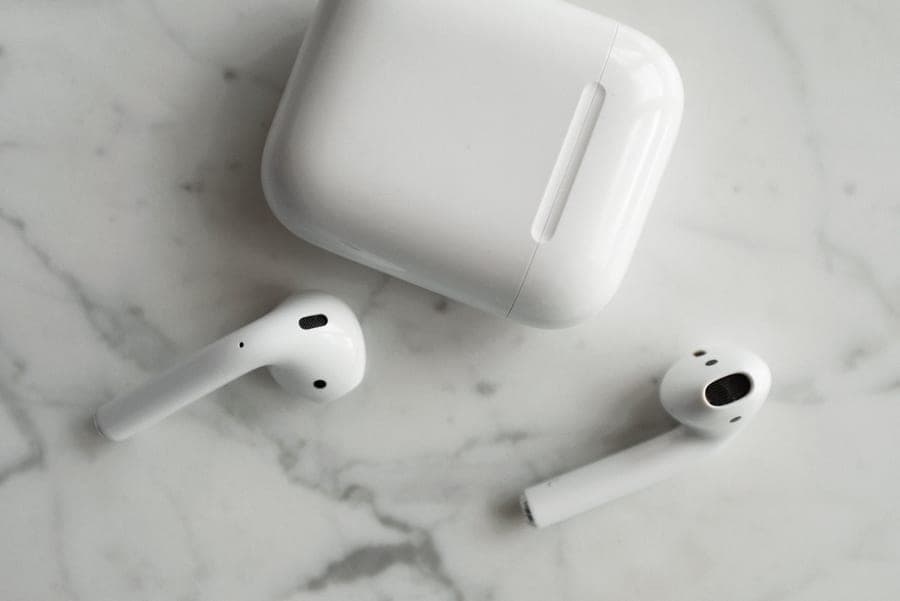 Apple AirPods Pro 3Eight rated hours with canceling on, foam tips in five sizes and an IP57 rating. If your phone is an iPhone this is the least friction of anything here. | For most travelers | 8.88.8 out of 10, our editorial score | |
| 2 | 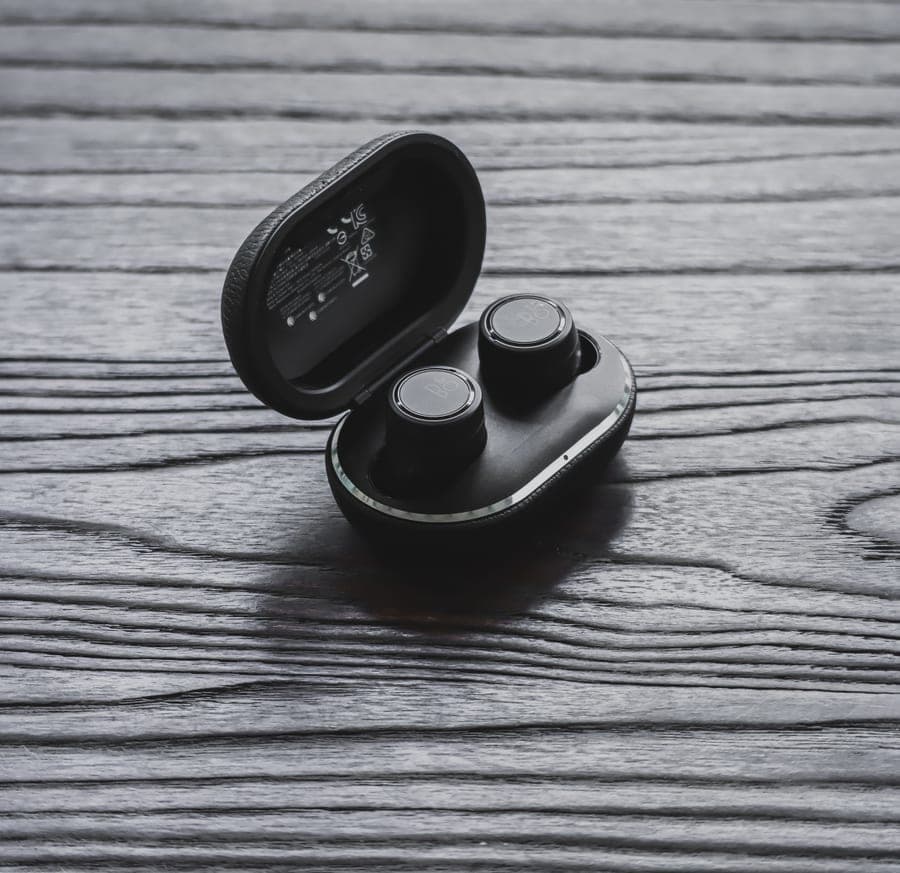 Bose QuietComfort Ultra Earbuds (2nd Gen)The quietest earbuds you can put in a pocket, with the shortest single-charge runtime of the premium set: six rated hours, four with Immersive Audio on. | If quiet decides it | 8.48.4 out of 10, our editorial score |
#ad Amazon links are affiliate links. No live price is shown anywhere on this site, so every button reads “Check price on Amazon”. How this is funded.
The picks in full
Every pick, in detail
1. For most travelers
Apple AirPods Pro 3
Eight rated hours with canceling on, foam tips in five sizes and an IP57 rating. If your phone is an iPhone this is the least friction of anything here.
Our editorial score: 8.8 / 10
#ad Live price not shown. How this is funded
Also sold direct by Apple — we earn nothing there, so check both.
The AirPods Pro 3 wins this for travel on three specifications, and the most important of them is the least glamorous.
Eight rated hours against six, and 24 with the case against 18. On a long flight that is one case visit rather than two, and a reserve that will not run out on a two-leg itinerary. Foam tips in five sizes seals on more ears than any silicone set, and since earbud canceling is dominated by seal, that is an acoustic advantage as well as a comfort one. IP57 on both buds and case against IPX4 is the toughest rating in the category.
The caveat is platform. On Android you lose Live Translation, seamless switching and Find My integration — most of what you paid for — and at that point the Sony WF-1000XM6 is the better product.
What works on a plane
- Eight rated hours and 24 with the case, matching the best of the premium earbuds
- Foam tips in five sizes solve the fit problem that ruins canceling on most buds
- IP57 on both buds and case is the toughest rating in this group
- Live Translation and heart-rate sensing are genuinely useful abroad, not spec-sheet filler
What does not
- Apple's 2x noise figure is a manufacturer claim measured against its own predecessor, not an independent measurement
- The best features need an iPhone; on Android it is a good but ordinary earbud
- No wired option, so in-flight entertainment needs a transmitter
How it scores against the five travel axes
Published specifications
| Spec | Figure | Source |
|---|---|---|
| Battery, ANC on | 8 hours listening | Apple tech specs |
| Battery, Transparency | Up to 10 hours | Apple tech specs |
| Total with case | Up to 24 hours with ANC | Apple tech specs |
| Quick charge | 5 minutes in the case gives around 1 hour | Apple tech specs |
| Ear tips | Foam tips in five sizes | Apple |
| Water resistance | IP57, buds and case | Apple |
| Apple's ANC claim | Removes up to 2x more noise than AirPods Pro 2 | Apple newsroom |
2. If quiet decides it
Bose QuietComfort Ultra Earbuds (2nd Gen)
The quietest earbuds you can put in a pocket, with the shortest single-charge runtime of the premium set: six rated hours, four with Immersive Audio on.
Our editorial score: 8.4 / 10
#ad Live price not shown. How this is funded
Also sold direct by Bose — we earn nothing there, so check both.
The Bose is the quieter earbud, and if that is why you are buying, the rest of this page is secondary. It brings the low-frequency work that makes Bose over-ears class-leading into something pocketable, and against engine or traffic drone the difference is audible.
The shallow insertion depth and three stabilizer band sizes are also a genuinely good fit system — less of the bud in the canal, and retention load taken off the tip, which makes them tolerable over a long session.
What you accept is the shortest runtime in the premium set: six rated hours with Immersive Audio off, four with it on, and eighteen with the case. On a fourteen-hour flight that means two case visits and a reserve you are watching.
What works on a plane
- Canceling that genuinely rivals a full-size over-ear, in something pocketable
- The shallow fit is far more tolerable than deep-insertion buds on a long flight
- Wireless case charging is one fewer cable in the bag
What does not
- Six rated hours means a case top-up mid-flight on any long-haul
- Immersive Audio cuts that to four, so on a plane you will mostly leave it off
- 18 hours total with the case is the weakest reserve in the premium earbud set
How it scores against the five travel axes
Published specifications
| Spec | Figure | Source |
|---|---|---|
| Battery, Immersive off | Up to 6 hours | Bose support |
| Battery, Immersive on | Up to 4 hours | Bose support |
| Total with case | Up to 18 hours | Bose support |
| Case charging | USB-C and wireless | Bose support |
| Water resistance | IPX4 | Bose support |
| Fit | Three stabilizer band sizes, shallow insertion | Bose |
Read the full Bose QuietComfort Ultra Earbuds (2nd Gen) review
How we decide
How these picks were chosen
We do not run a test lab and we do not claim to have flown with these units. Every verdict on this page is one of three things: a measurement published by somebody who does own a test rig and is credited by name, a manufacturer specification we quote and then interpret against what a long flight actually demands, or a plainly-labeled editorial judgment. The five axes we score on — cabin-noise reduction, battery on a long-haul, pack size, comfort past hour three, and wired fallback — are the ones that decide a travel purchase, and the weighting is published in full.
Questions
Common questions
Are AirPods Pro 3 or Bose QuietComfort Ultra Earbuds better for travel?
The AirPods Pro 3, on runtime: Apple rates them at 8 hours with canceling on and 24 with the case, against Bose’s 6 and 18. They also have foam tips in five sizes and an IP57 rating. The Bose cancels more, which is the reason to choose it.
Which cancels more noise?
The Bose, particularly in the deepest low frequencies where engine and traffic noise concentrate. Both are in the top tier. Apple’s published figure of twice the noise removal is measured against its own AirPods Pro 2 rather than against Bose, so it does not settle the question.
Which has better battery life?
The AirPods Pro 3, clearly: 8 rated hours against up to 6, and 24 total with the case against 18. With Bose’s Immersive Audio on it drops to 4 hours. Apple also publishes a quick charge of five minutes in the case for about an hour.
Which is more comfortable?
Differently rather than clearly. Apple’s foam tips spread pressure across the canal, which most people find better over long periods and for sleeping. Bose’s shallow insertion puts less of the bud in the canal at all and its stabilizer bands take load off the tip.
Do either work well on Android?
The Bose does. The AirPods Pro 3 works but loses Live Translation, seamless device switching and Find My integration — most of what makes it worth the money. On Android the Sony WF-1000XM6 with LDAC support is the better buy than either.
Can either connect to airplane in-flight entertainment?
Neither, directly. No noise-canceling earbud has a 3.5 mm socket and the seat has no Bluetooth, so both need a Bluetooth transmitter plugged into the seat jack. Budget for one alongside whichever you buy.
Sources
Where these figures come from
Read next
Related reading
- Apple AirPods Pro 3 review
All five travel criteria, with sources.
- Bose QuietComfort Ultra Earbuds review
The quiet case, and the battery arithmetic.
- Best noise-canceling earbuds for flights
Both against the wider field, including the Sony.
- Best earbuds for long flights
The runtime arithmetic across every model.
- Sony WF-1000XM6 review
The answer if your phone runs Android.