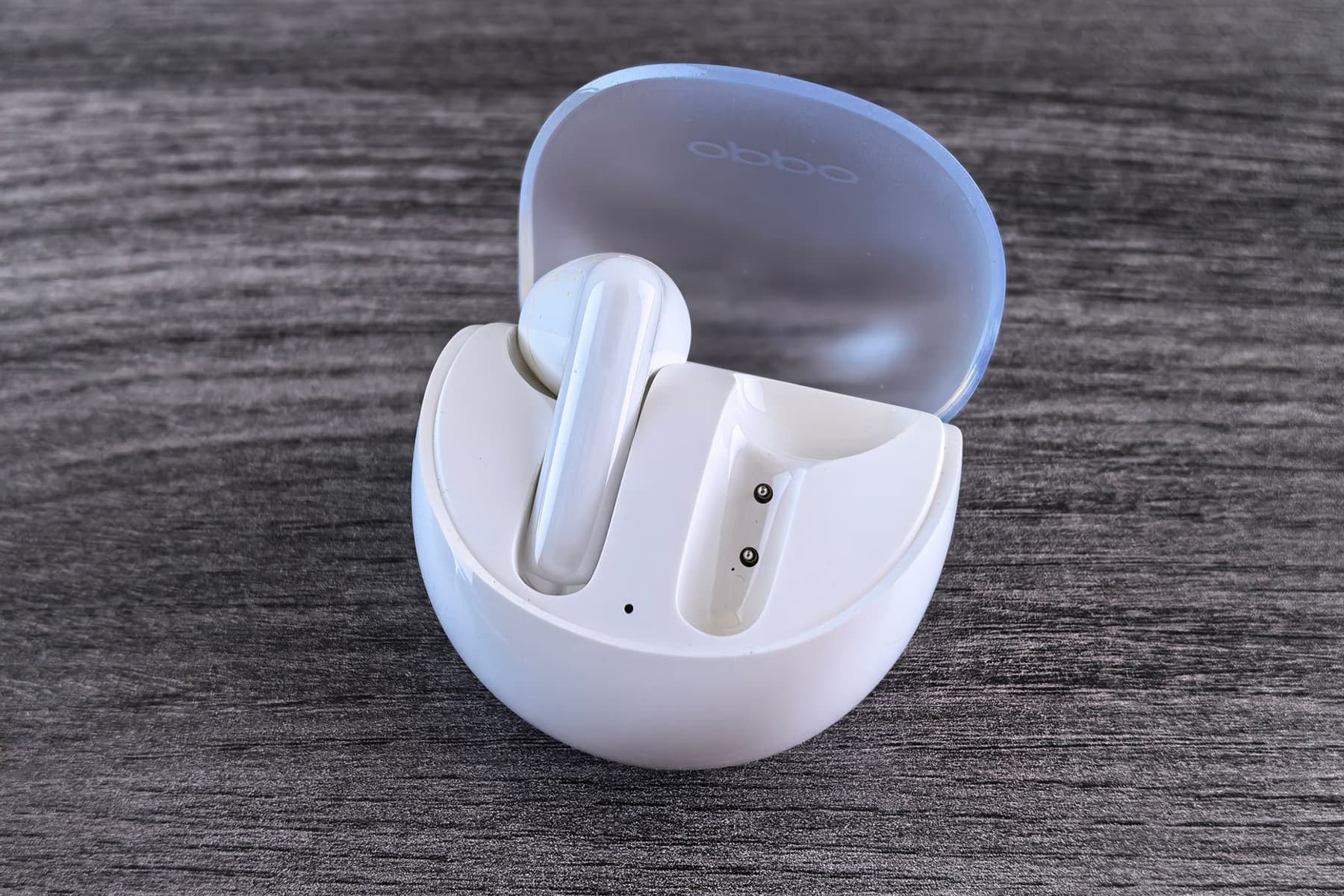
The best budget noise-canceling earbuds are the Soundcore P40i at $79.99: adaptive canceling, 12 hours per charge and 60 hours with the case. The EarFun Air Pro 4 is the value step-up at 11 hours in the buds with aptX Lossless and LDAC. If you would rather have sound quality than canceling, the wired Sennheiser IE 200 at $159.95 removes higher-frequency noise passively and never needs charging.
The curve
Where the price-to-performance curve actually runs
Below about $50: do not buy canceling
At the bottom of the market the canceling is a feature on a box rather than a function. What you get is a small reduction with audible hiss and a processing artifact that some people find more unpleasant than the noise. A cheap sealed earbud with no canceling at all removes more of a bus.
About $80: the canceling starts being real
This is where adaptive canceling, a usable microphone array and a case with genuine reserve all arrive together. It is the single best value point in this category and it is where our top pick sits.
About $100 to $150: depth and codecs
The step up buys measurable canceling depth, better tips and codec support. It does not usually buy more battery — and in several cases it buys less, because premium earbuds spend their power budget on processing.
Above about $200: the last few decibels
You are paying for the bottom of the frequency range: engine drone, train rumble, building plant. If you fly often that is worth real money. If you ride a bus twice a day it is not.
Paying more for canceling earbuds buys depth, not endurance. The $80 pick here has three times the total battery of the $300 one.
The matrix
The four picks on published figures
| Soundcore P40i | EarFun Air Pro 4 | Sennheiser IE 200 | Bose QC Ultra Earbuds | |
|---|---|---|---|---|
| List price | $79.99 | Not quoted here | $159.95 | Not quoted here |
| Canceling | Adaptive ANC | QuietSmart 3.0, rated up to 50 dB | None (passive only) | Deepest here |
| Battery, buds | 12 h | 11 h | n/a, wired | up to 6 h (4 h Immersive) |
| Total with case | 60 h | Not published here | n/a | up to 18 h |
| Codecs | Not published here | aptX Lossless, LDAC, AAC, SBC | n/a, analog | Not published here |
| Water resistance | IPX5 | Not published here | Not published | IPX4 |
| Weight | Not published | Not published | 4 g per side | Not published here |
| Other | Case doubles as a phone stand | 6 mics not published; 11 h rated | 7 mm dynamic, MMCX cable | 3 stabilizer band sizes |
What to look for
Four checks when buying cheap canceling earbuds
- Tip selection in the box. Seal is most of your noise reduction, and seal is mostly tip. Three sizes is the minimum; a poor seal loses you more than any processing difference between two products at this price.
- Total battery with the case. The honest endurance number. At this price it is often better than the premium tier, and it is the number that decides whether they are charged when you want them.
- Whether a reduction figure is a claim or a measurement. “Up to 50 dB” is a peak at one frequency. No canceling product carries a certified rating the way hearing protection does — canceling vs earplugs explains why that distinction exists.
- Water rating. IPX5 rather than IPX4 if they will be outdoors. It is often the difference between a budget pair and a premium one, in the budget pair’s favor.
The alternative
When wired is the better budget buy
If your noise problem is an office, a library or a train full of conversation, a sealed wired in-ear monitor is a better use of $150 than a canceling earbud at the same price. Voices are irregular and sit higher in the range than canceling handles well, and a good passive seal takes them down without any processing at all.
Wired also solves the in-flight entertainment problem for nothing, which is the other place budget canceling earbuds disappoint — best wired earbuds for flights has that case in full. For the over-ear version of this same budget question, see best headphones under $100.
In short
Key takeaways
- Soundcore P40i at $79.99 is the best budget canceling earbud: 12 hours per charge, 60 with the case, IPX5.
- EarFun Air Pro 4 is the step-up at 11 rated hours with aptX Lossless and LDAC; its 50 dB figure is a claim, not a measurement.
- Sennheiser IE 200 at $159.95 is the no-canceling alternative — 4 g per side, no battery, strong passive isolation.
- Bose QuietComfort Ultra Earbuds show what more money buys: depth, not endurance (18 h total against the Soundcore's 60).
- Below about $50, skip canceling entirely and buy a well-sealed earbud instead.
- Tip selection and total battery with the case matter more than any spec-sheet reduction claim.
At a glance
Quick picks
Scores are our editorial judgment from published specifications and cited third-party measurements, not our own testing. The rubric is published in full. Tap any row for the full write-up.
| # | Product | Best for | Score | Price |
|---|---|---|---|---|
| 1 | 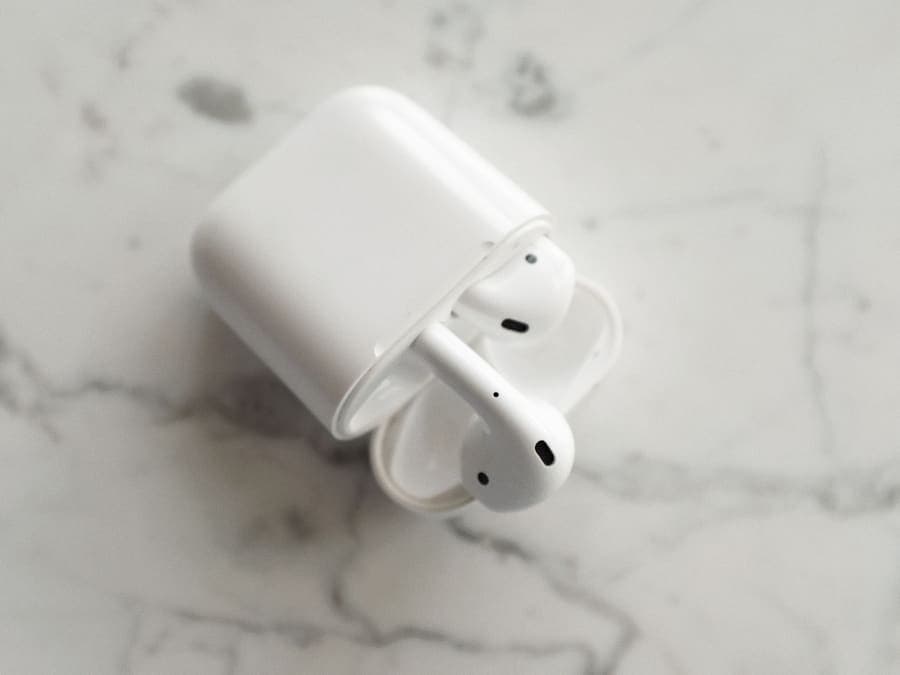 Soundcore P40iA $79.99 earbud rated at 12 hours a charge and 60 with the case, with adaptive canceling and a case that folds out into a phone stand. | Best under $100 | 8.08.0 out of 10, our editorial score | |
| 2 | 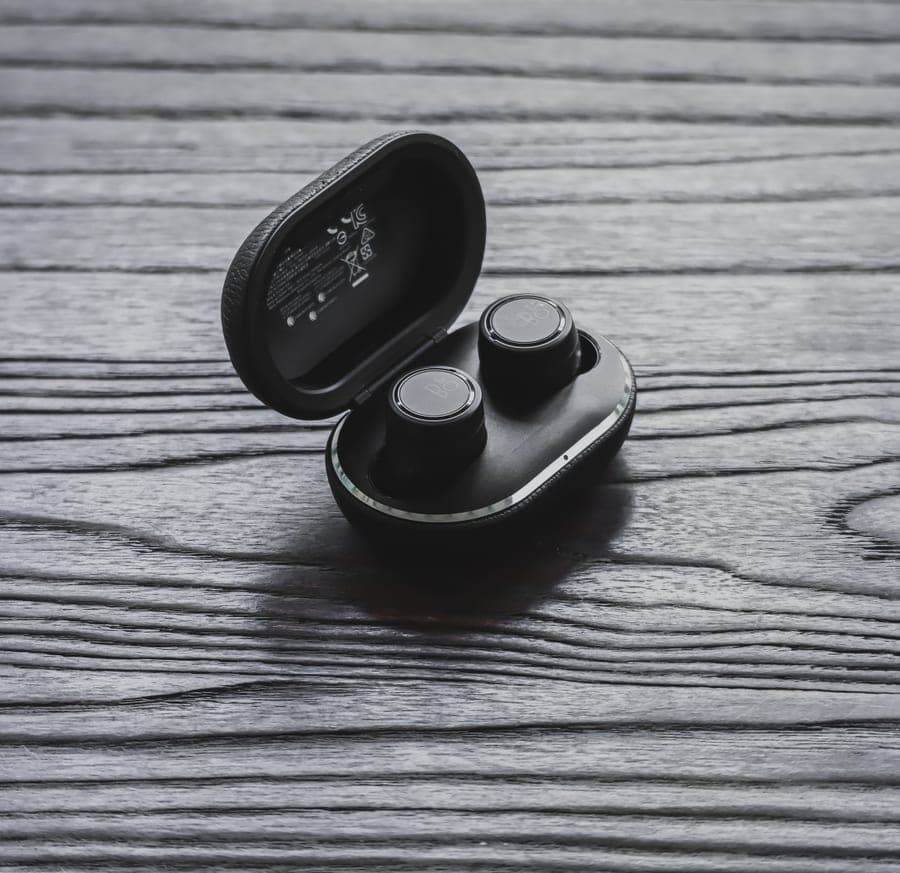 EarFun Air Pro 4Eleven rated hours per bud and 52 with the case, plus LDAC and aptX Lossless, for a small fraction of flagship money. It buys most of the quiet for a little of the price. | Best value step-up | 8.08.0 out of 10, our editorial score | |
| 3 | 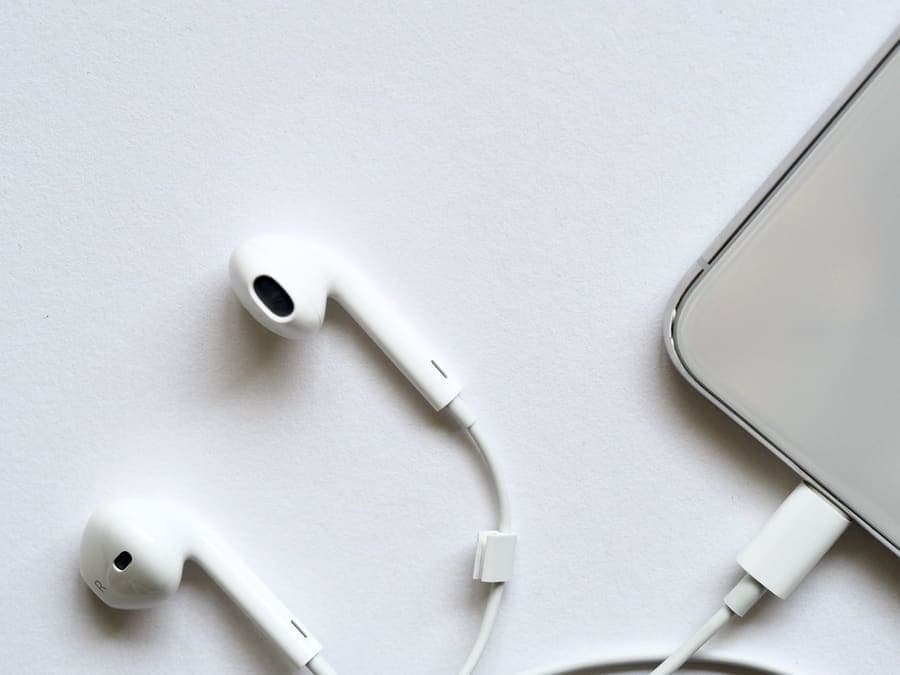 Sennheiser IE 200A wired in-ear monitor with a published specification sheet rather than a marketing number: 4 g per side, a 7 mm dynamic driver and tips you can mount two ways to change the bass. | If you would rather have sound than canceling | 8.78.7 out of 10, our editorial score | |
| 4 | 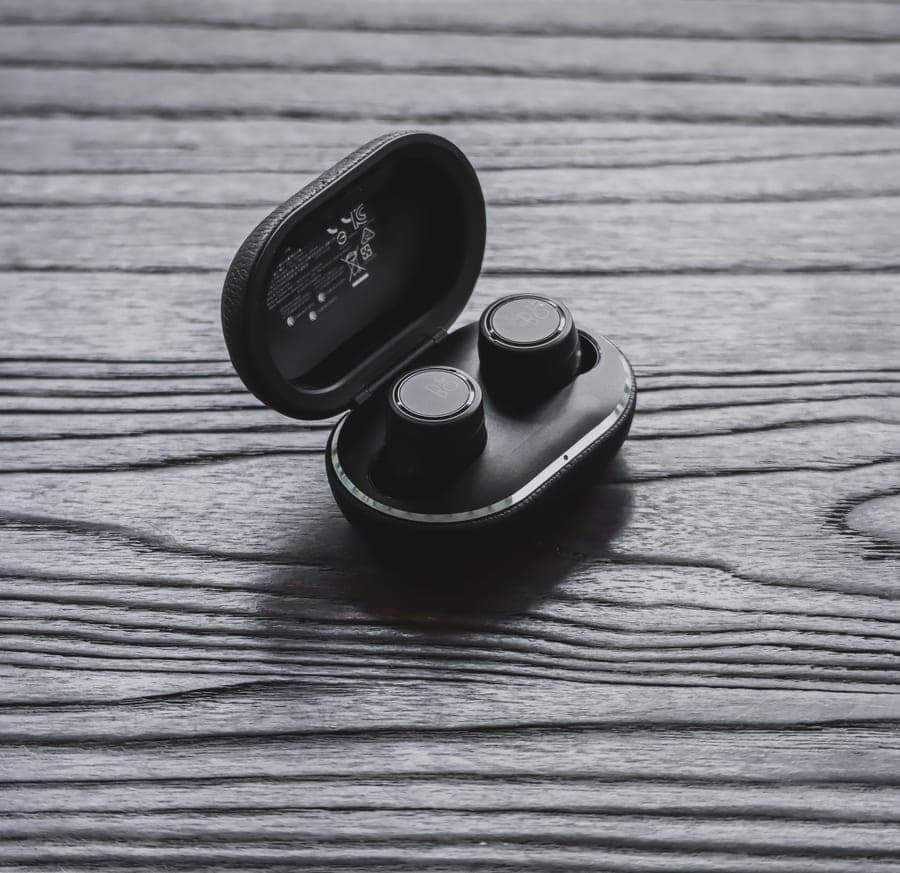 Bose QuietComfort Ultra Earbuds (2nd Gen)The quietest earbuds you can put in a pocket, with the shortest single-charge runtime of the premium set: six rated hours, four with Immersive Audio on. | What the extra money actually buys | 8.48.4 out of 10, our editorial score |
#ad Amazon links are affiliate links. No live price is shown anywhere on this site, so every button reads “Check price on Amazon”. How this is funded.
The picks in full
Every pick, in detail
1. Best under $100
Soundcore P40i
A $79.99 earbud rated at 12 hours a charge and 60 with the case, with adaptive canceling and a case that folds out into a phone stand.
Our editorial score: 8.0 / 10
#ad Live price not shown. How this is funded
Also sold direct by Soundcore — we earn nothing there, so check both.
The best starting point, and the argument is arithmetic rather than audio. $79.99 at the time of writing, 12 hours per charge and 60 hours with the case, with adaptive canceling and 11 mm composite drivers.
Sixty hours of total reserve is more than most $300 earbuds offer, and at this price that is the spec that changes your week: you charge the case roughly fortnightly rather than remembering it every other night.
IPX5 covers rain and sweat, and six microphones with an AI call algorithm make it usable for calls. The limits are real — it does not reach the deepest part of a train or engine drone, and the supplied tips are average, which matters because seal is most of the reduction.
What works on a plane
- 60 rated hours with the case, from an earbud listed at $79.99
- IPX5 means sweat and rain are not a worry on a commute
- The fold-out case stand is a genuinely useful thing on a tray table
- Adaptive canceling at a price where fixed canceling is the norm
What does not
- Canceling depth is a long way behind the premium earbuds, especially in the low band
- No LDAC, so Android listeners do not get the better codec
- The stock tip selection is narrow, and the seal is what decides earbud canceling
How it scores against the five travel axes
Published specifications
| Spec | Figure | Source |
|---|---|---|
| List price | $79.99 at the time of writing | Soundcore |
| Battery | 12 hours per charge, 60 hours with the case | Soundcore |
| Noise canceling | Adaptive ANC | Soundcore |
| Drivers | 11 mm composite | Soundcore |
| Water resistance | IPX5 | Soundcore |
| Microphones | 6, with an AI call algorithm | Soundcore |
| Case | Doubles as a phone stand | Soundcore |
2. Best value step-up
EarFun Air Pro 4
Eleven rated hours per bud and 52 with the case, plus LDAC and aptX Lossless, for a small fraction of flagship money. It buys most of the quiet for a little of the price.
Our editorial score: 8.0 / 10
#ad Live price not shown. How this is funded
The pick if you can stretch a little past the entry point. 11 rated hours in the buds, and a codec list that is genuinely unusual at this price: aptX Lossless, LDAC, AAC and SBC.
EarFun rates its QuietSmart 3.0 canceling at up to 50 dB. Read that the way you should read every such number: a peak figure at a favorable frequency, not a flat reduction you will feel across the range. It is still a real step up on depth from the $80 tier.
The codecs only pay off if your phone already speaks them, and the canceling is good-for-the-price rather than close to the Bose. Neither is a reason to avoid it; both are reasons not to expect flagship performance.
What works on a plane
- Eleven rated hours per bud is longer than any premium earbud here
- 52 hours with the case means a two-week trip without a charger thought
- aptX Lossless and LDAC at this price is genuinely unusual
- Losing one on a plane is an annoyance rather than a disaster
What does not
- The 50 dB figure is EarFun's own rating, not an independent measurement, and the gap to Bose is clear
- Adaptive canceling is less steady than the flagships when cabin noise changes
- App polish and firmware support are a step behind the majors
How it scores against the five travel axes
3. If you would rather have sound than canceling
Sennheiser IE 200
A wired in-ear monitor with a published specification sheet rather than a marketing number: 4 g per side, a 7 mm dynamic driver and tips you can mount two ways to change the bass.
Our editorial score: 8.7 / 10
#ad Live price not shown. How this is funded
Also sold direct by Sennheiser — we earn nothing there, so check both.
The honest alternative that budget roundups usually skip. $159.95 at the time of writing, with no canceling at all: a 7 mm closed dynamic transducer, 6 to 20,000 Hz, 16 ohm, 119 dB at 1 kHz and distortion under 0.08 percent.
A well-sealed in-ear monitor removes a surprising amount of the higher-frequency noise that canceling is worst at — voices, announcements, keyboard clatter — entirely passively. There is no battery, no pairing and nothing to update.
What it will not do is touch engine drone, because that is the band only active canceling reaches. It is also wired, with MMCX connectors and a 1.2 m braided cable, at 4 g per side.
What works on a plane
- A real specification sheet with distortion and impedance figures, which most earbuds never publish
- 4 g per side and no battery, so it never runs out and never degrades
- Detachable MMCX cable means a frayed cable is a repair rather than a replacement
- Two tip-mounting positions change the bass without an app or an EQ
What does not
- Wired, so there is a cable in your lap and no Bluetooth on a plane without an adapter
- No active noise canceling at all — isolation comes entirely from the tip seal
- No microphone on the stock cable, so it is not a call headset
How it scores against the five travel axes
Published specifications
| Spec | Figure | Source |
|---|---|---|
| Frequency response | 6 - 20,000 Hz | Sennheiser |
| Impedance | 16 ohm (18 ohm with cable) | Sennheiser |
| Sound pressure level | 119 dB (1 kHz, 1 Vrms) | Sennheiser |
| Distortion | THD < 0.08 % | Sennheiser |
| Transducer | 7 mm dynamic, closed | Sennheiser |
| Weight | 4 g | Sennheiser |
| Cable | 1.2 m braided, MMCX connectors, 3.5 mm angled plug | Sennheiser |
| List price | $159.95 at the time of writing | Sennheiser |
4. What the extra money actually buys
Bose QuietComfort Ultra Earbuds (2nd Gen)
The quietest earbuds you can put in a pocket, with the shortest single-charge runtime of the premium set: six rated hours, four with Immersive Audio on.
Our editorial score: 8.4 / 10
#ad Live price not shown. How this is funded
Also sold direct by Bose — we earn nothing there, so check both.
Here as the reference point rather than as a budget pick. This is the deepest low-frequency canceling available in an earbud, and it is the thing none of the cheaper options above can match at any setting.
Up to 6 rated hours with Immersive Audio off, 4 with it on, up to 18 total with the case, IPX4, shallow insertion with three stabilizer band sizes, and a case that charges over USB-C or wirelessly.
Note what you lose going up: the Soundcore has 60 hours of total reserve against this product’s 18. Paying more buys depth, not endurance — which is exactly the trade to understand before you spend.
What works on a plane
- Canceling that genuinely rivals a full-size over-ear, in something pocketable
- The shallow fit is far more tolerable than deep-insertion buds on a long flight
- Wireless case charging is one fewer cable in the bag
What does not
- Six rated hours means a case top-up mid-flight on any long-haul
- Immersive Audio cuts that to four, so on a plane you will mostly leave it off
- 18 hours total with the case is the weakest reserve in the premium earbud set
How it scores against the five travel axes
Published specifications
| Spec | Figure | Source |
|---|---|---|
| Battery, Immersive off | Up to 6 hours | Bose support |
| Battery, Immersive on | Up to 4 hours | Bose support |
| Total with case | Up to 18 hours | Bose support |
| Case charging | USB-C and wireless | Bose support |
| Water resistance | IPX4 | Bose support |
| Fit | Three stabilizer band sizes, shallow insertion | Bose |
Read the full Bose QuietComfort Ultra Earbuds (2nd Gen) review
How we decide
How these picks were chosen
We do not run a test lab and we do not claim to have flown with these units. Every verdict on this page is one of three things: a measurement published by somebody who does own a test rig and is credited by name, a manufacturer specification we quote and then interpret against what a long flight actually demands, or a plainly-labeled editorial judgment. The five axes we score on — cabin-noise reduction, battery on a long-haul, pack size, comfort past hour three, and wired fallback — are the ones that decide a travel purchase, and the weighting is published in full.
Questions
Common questions
What are the best budget noise-canceling earbuds?
The Soundcore P40i at $79.99, for adaptive canceling, 12 hours per charge, 60 hours with the case and IPX5. The EarFun Air Pro 4 is the step-up if you want more canceling depth and a longer codec list.
How cheap can noise-canceling earbuds be before they stop working?
Around $80 is where canceling becomes genuinely useful. Below about $50 you tend to get a small reduction plus audible hiss, and a sealed earbud with no canceling at all will take more of a bus out than that.
Do cheap canceling earbuds have worse battery life than expensive ones?
Often the opposite. Premium earbuds spend their power budget on processing, so their rated figures can be lower. The Soundcore P40i is rated at 60 hours total with its case against 18 for the Bose QuietComfort Ultra Earbuds.
Is a 50 dB noise cancellation rating real?
It is a manufacturer claim describing a peak at a favorable frequency, not a flat reduction across the range and not a certified figure. Only hearing protection carries a certified Noise Reduction Rating; no canceling headphone or earbud does.
Are budget earbuds good enough for a flight?
For a short flight, yes. For a long-haul the gap shows up exactly where it matters, at the bottom of the frequency range where engine drone lives, and that is the one band cheaper canceling cannot reach.
Sources
Where these figures come from
- Soundcore P40i product page (list price $79.99, battery, drivers, IPX5, microphones)
- EarFun Air Pro 4 product page (11 hours, codecs, QuietSmart 3.0 rating)
- Sennheiser IE 200 product page (list price $159.95, frequency response, impedance, weight, cable)
- Bose QuietComfort Ultra Earbuds (2nd Gen) specifications (battery, IPX4, fit)
Read next
Related reading
- Best headphones under $100
The over-ear version of the same budget question.
- Best wired earbuds for flights
Where no battery and a 3.5 mm plug beat canceling outright.
- Best noise-canceling earbuds for commuting
The same form factor judged for a daily bus or train.
- Active canceling vs passive isolation
Why a good seal does half the work for none of the money.