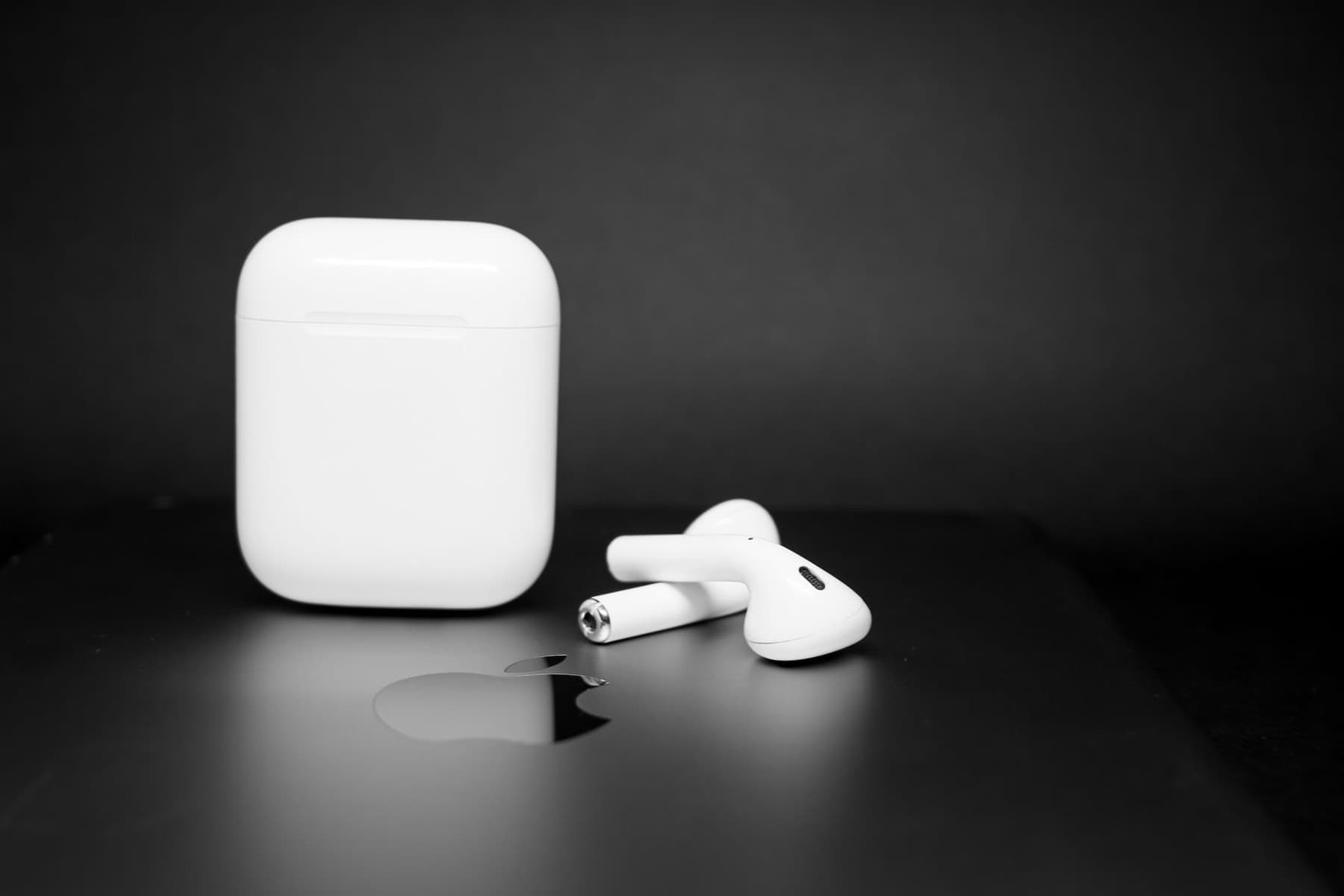
For Android, the Sony WF-1000XM6 is the best noise-canceling earbud, because it supports LDAC and LC3 as well as SBC and AAC, and Android will actually use them. The EarFun Air Pro 4 is the value pick with aptX Lossless and LDAC on a Qualcomm QCC3091, rated at 11 hours a bud and 52 with the case. The Bose QuietComfort Ultra Earbuds still have the deepest canceling if codec support is not your deciding factor.
Why this page exists
The codec column is not trivia on Android
On an iPhone, AAC is the ceiling. It does not matter what the earbud supports, because iOS will not send LDAC or aptX to it, so the codec row on the box is decoration.
On Android it is the opposite. LDAC has been in the platform since Android 8, aptX variants ride on Qualcomm silicon that is in most Android phones, and LC3 arrived with the modern Bluetooth audio stack. An Android buyer who ignores the codec list is leaving a capability on the table that they have already paid for.
The codec row is the one specification that means something completely different depending on which phone is in your pocket.
The comparison
What each one actually supports
| Codecs | Battery, buds | Total with case | Water | |
|---|---|---|---|---|
| Sony WF-1000XM6 | SBC, AAC, LDAC, LC3 | Up to 8 hours | Up to 24 hours | IPX4 |
| EarFun Air Pro 4 | aptX Lossless, LDAC, AAC, SBC | 11 hours | 52 hours | See EarFun's spec page |
| Bose QuietComfort Ultra Earbuds | Not the reason to buy these | Up to 6 hours | Up to 18 hours | IPX4 |
Honest limits
How much the codec actually changes
Less than the forums suggest, and it depends entirely on where you are listening. LDAC carries considerably more data than AAC, and in a quiet room with a good recording you may hear it. On a train at 75 dB you will not, because the ambient noise floor has already removed far more detail than the codec difference ever contained.
- At a desk or at home — worth having, and a genuine reason to pick one earbud over another.
- On a commute — the canceling depth matters more, and it is not close.
- On a call — irrelevant. Voice uses a different, much narrower path regardless.
The music page goes through that argument at more length.
The other half
What Android buyers lose, and what they do not
You lose the seamless-handoff trick
The Apple earbuds move between an iPhone, an iPad and a Mac with no interaction at all, and nothing in the Android world matches it end to end. Multipoint pairing is the closest equivalent and it is a manual-ish substitute rather than a match.
You do not lose canceling
Canceling is done in the earbud, not in the phone. Every product on this page performs identically on Android and iOS on that axis, which is worth knowing before anyone tells you otherwise.
Check your phone, not just the earbud
LDAC has to be enabled on both ends, and some Android phones default to AAC to save power. It is in Developer options under Bluetooth audio codec. Buying an LDAC earbud and leaving the phone on AAC is the most common way to waste this entirely.
In short
Key takeaways
- Sony WF-1000XM6: SBC, AAC, LDAC and LC3, up to 8 hours a bud and 24 with the case, 8.4 mm driver, IPX4.
- EarFun Air Pro 4: aptX Lossless and LDAC on a Qualcomm QCC3091, 11 hours a bud and 52 with the case.
- Bose QuietComfort Ultra Earbuds still lead on canceling depth, at up to 6 hours and 18 with the case.
- On iPhone, AAC is the ceiling — the codec row only means something on Android.
- Check Developer options: some Android phones default to AAC even when the earbud supports LDAC.
At a glance
Quick picks
Scores are our editorial judgment from published specifications and cited third-party measurements, not our own testing. The rubric is published in full. Tap any row for the full write-up.
| # | Product | Best for | Score | Price |
|---|---|---|---|---|
| 1 | 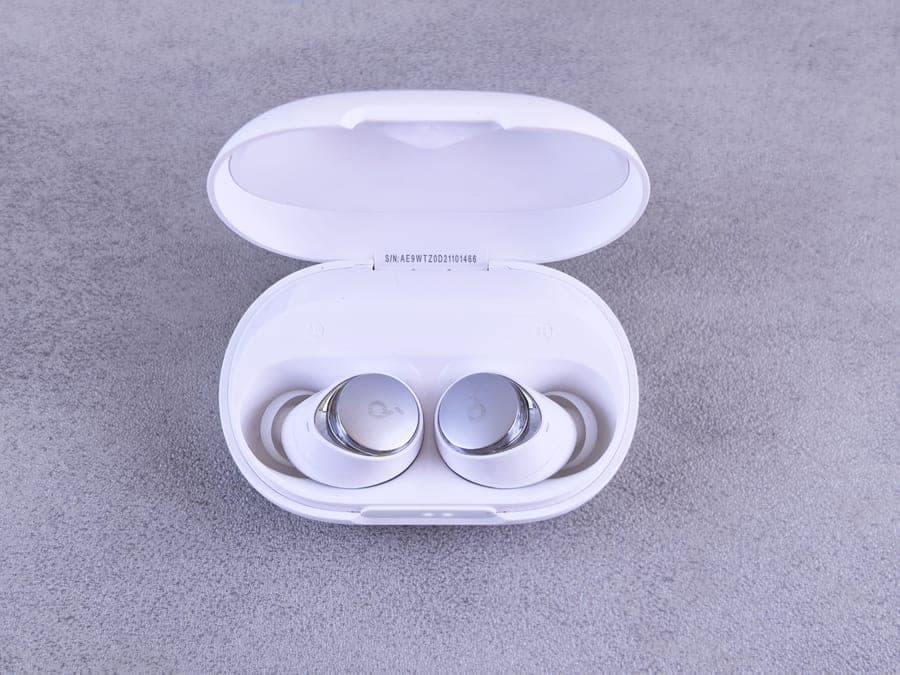 Sony WF-1000XM6Eight rated hours per bud and 24 with the case, at roughly 6.5 g each. The most sensible premium earbud for a flight, because you never have to plan around the battery. | Best noise-canceling earbuds for Android | 8.98.9 out of 10, our editorial score | |
| 2 | 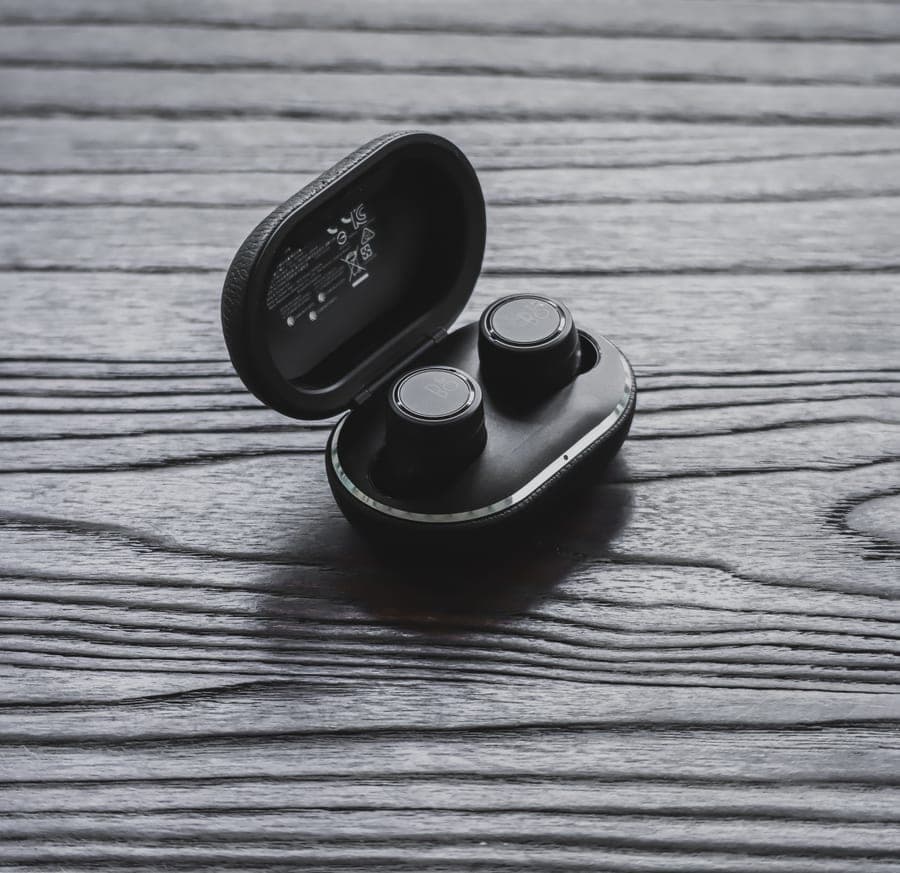 EarFun Air Pro 4Eleven rated hours per bud and 52 with the case, plus LDAC and aptX Lossless, for a small fraction of flagship money. It buys most of the quiet for a little of the price. | Best value on Android | 8.08.0 out of 10, our editorial score | |
| 3 | 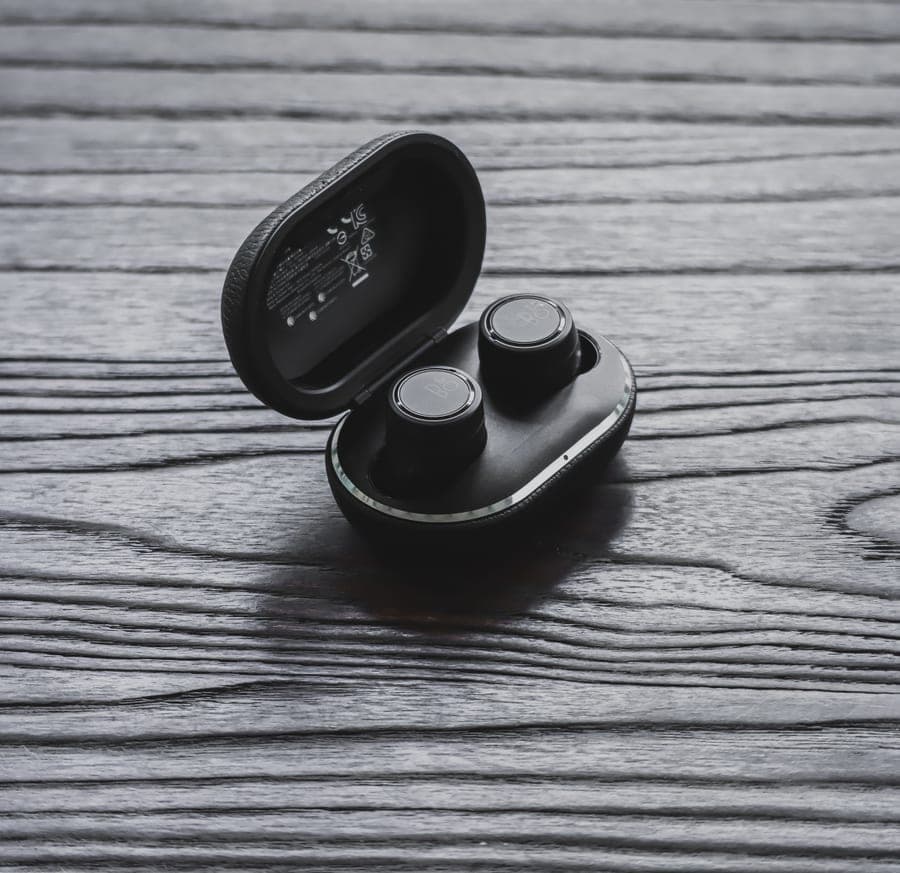 Bose QuietComfort Ultra Earbuds (2nd Gen)The quietest earbuds you can put in a pocket, with the shortest single-charge runtime of the premium set: six rated hours, four with Immersive Audio on. | Best canceling, if the codec does not decide it | 8.48.4 out of 10, our editorial score |
#ad Amazon links are affiliate links. No live price is shown anywhere on this site, so every button reads “Check price on Amazon”. How this is funded.
The picks in full
Every pick, in detail
1. Best noise-canceling earbuds for Android
Sony WF-1000XM6
Eight rated hours per bud and 24 with the case, at roughly 6.5 g each. The most sensible premium earbud for a flight, because you never have to plan around the battery.
Our editorial score: 8.9 / 10
#ad Live price not shown. How this is funded
Also sold direct by Sony — we earn nothing there, so check both.
The codec list is the reason it tops this page specifically: SBC, AAC, LDAC and LC3. LDAC is Sony’s own high-bitrate codec and Android has carried it in the base platform for years, so this is the pairing where it is actually used rather than merely listed.
Sony rates it at up to 8 hours a bud and 24 with the case, at roughly 6.5 g a bud with medium tips, on an 8.4 mm driver over Bluetooth 5.3, IPX4.
LC3 is the quieter reason to care. It is the modern low-power codec, and having both means this is the least likely of these to be left behind by whatever phone you buy next.
What works on a plane
- Eight rated hours per charge clears most short-haul flights without touching the case
- 24 hours total with the case is the strongest reserve in the premium earbud set
- LDAC means it is not tied to one phone platform
- Roughly 6.5 g per bud effectively disappears when you are trying to sleep on your side
What does not
- Canceling is excellent but the Bose still takes the low-frequency band
- No wired fallback at all, so a seatback screen needs a transmitter
- IPX4 is splash resistance, not weather resistance
How it scores against the five travel axes
Published specifications
| Spec | Figure | Source |
|---|---|---|
| Battery, earbuds | Up to 8 hours | Sony |
| Total with case | Up to 24 hours (16 from the case) | Sony |
| Weight | Approx. 6.5 g per bud with M tips | Sony |
| Driver | 8.4 mm | Sony |
| Bluetooth | 5.3 | Sony |
| Codecs | SBC, AAC, LDAC, LC3 | Sony |
| Water resistance | IPX4 | Sony |
| Processor | HD Noise Canceling Processor QN3e, dual processors, eight microphones | Sony |
2. Best value on Android
EarFun Air Pro 4
Eleven rated hours per bud and 52 with the case, plus LDAC and aptX Lossless, for a small fraction of flagship money. It buys most of the quiet for a little of the price.
Our editorial score: 8.0 / 10
#ad Live price not shown. How this is funded
aptX Lossless and LDAC on a Qualcomm QCC3091, which is a codec list that used to cost several times as much. If your Android phone has a Qualcomm chipset — most do — aptX Lossless is a route the iPhone simply does not have.
Eleven rated hours per bud and 52 with the case is more runtime than any premium earbud here, on 10 mm composite dynamic drivers over Bluetooth 5.4.
The canceling claim of up to 50 dB is EarFun’s own figure rather than an independent measurement, and the stock tip selection is narrower than the premium options. Since earbud canceling is dominated by seal, budgeting for aftermarket tips is sensible rather than an admission of a flaw.
What works on a plane
- Eleven rated hours per bud is longer than any premium earbud here
- 52 hours with the case means a two-week trip without a charger thought
- aptX Lossless and LDAC at this price is genuinely unusual
- Losing one on a plane is an annoyance rather than a disaster
What does not
- The 50 dB figure is EarFun's own rating, not an independent measurement, and the gap to Bose is clear
- Adaptive canceling is less steady than the flagships when cabin noise changes
- App polish and firmware support are a step behind the majors
How it scores against the five travel axes
3. Best canceling, if the codec does not decide it
Bose QuietComfort Ultra Earbuds (2nd Gen)
The quietest earbuds you can put in a pocket, with the shortest single-charge runtime of the premium set: six rated hours, four with Immersive Audio on.
Our editorial score: 8.4 / 10
#ad Live price not shown. How this is funded
Also sold direct by Bose — we earn nothing there, so check both.
If what you want is the deepest canceling in an earbud and you do not care about codecs, this is still the answer, and it is platform-neutral in a way the Apple products are not.
Bose rates it at up to 6 hours with Immersive off and 4 with it on, 18 with the case, IPX4, with three stabilizer band sizes and a shallow insertion depth that suits people who dislike a deep seal.
The battery is the weak column and there is no getting round it. If you commute twice a day and forget the case, this is the one that will run out.
What works on a plane
- Canceling that genuinely rivals a full-size over-ear, in something pocketable
- The shallow fit is far more tolerable than deep-insertion buds on a long flight
- Wireless case charging is one fewer cable in the bag
What does not
- Six rated hours means a case top-up mid-flight on any long-haul
- Immersive Audio cuts that to four, so on a plane you will mostly leave it off
- 18 hours total with the case is the weakest reserve in the premium earbud set
How it scores against the five travel axes
Published specifications
| Spec | Figure | Source |
|---|---|---|
| Battery, Immersive off | Up to 6 hours | Bose support |
| Battery, Immersive on | Up to 4 hours | Bose support |
| Total with case | Up to 18 hours | Bose support |
| Case charging | USB-C and wireless | Bose support |
| Water resistance | IPX4 | Bose support |
| Fit | Three stabilizer band sizes, shallow insertion | Bose |
Read the full Bose QuietComfort Ultra Earbuds (2nd Gen) review
How we decide
How these picks were chosen
We do not run a test lab and we do not claim to have flown with these units. Every verdict on this page is one of three things: a measurement published by somebody who does own a test rig and is credited by name, a manufacturer specification we quote and then interpret against what a long flight actually demands, or a plainly-labeled editorial judgment. The five axes we score on — cabin-noise reduction, battery on a long-haul, pack size, comfort past hour three, and wired fallback — are the ones that decide a travel purchase, and the weighting is published in full.
Questions
Common questions
Does LDAC actually make a difference on Android?
In a quiet room with a good recording, it can. On a train or a plane the ambient noise floor removes far more detail than any codec difference contains, so canceling depth matters more. It is a real feature, but it is not the feature that should decide a commuting purchase.
Do AirPods work with Android?
They pair and play, and you lose most of what you paid for: the handoff between devices, the automatic switching and the setup experience are all iOS features. If your phone is Android, buying an earbud that supports LDAC or aptX gets you more for the same money.
Is noise canceling worse on Android?
No. Canceling is processed inside the earbud itself, so it performs identically whatever phone it is connected to. What varies by platform is codec support, companion-app features and how smoothly the earbuds switch between your devices.
How do I turn on LDAC on my Android phone?
It lives in Developer options, under a setting usually called Bluetooth audio codec. Some phones default to AAC to save battery even when both ends support LDAC, so it is worth checking after pairing rather than assuming.
What is LC3 and do I need it?
LC3 is the codec that came with the modern Bluetooth audio stack. It delivers comparable quality at lower bitrates, which mostly shows up as better battery life and a more robust connection. You do not need to seek it out today, but an earbud that has it is less likely to be left behind by your next phone.
Sources
Where these figures come from
Read next
Related reading
- Best noise-canceling earbuds for commuting
The same field, ranked for a train rather than a platform.
- Best noise-canceling earbuds for travel
Where battery and case size take over from codecs.
- Best headphones for music listening
How much the codec argument is really worth.
- AirPods Pro 3 vs Bose QuietComfort Ultra Earbuds
The platform-neutral option against the Apple one.
- EarFun Air Pro 4 review
The value pick, in detail.