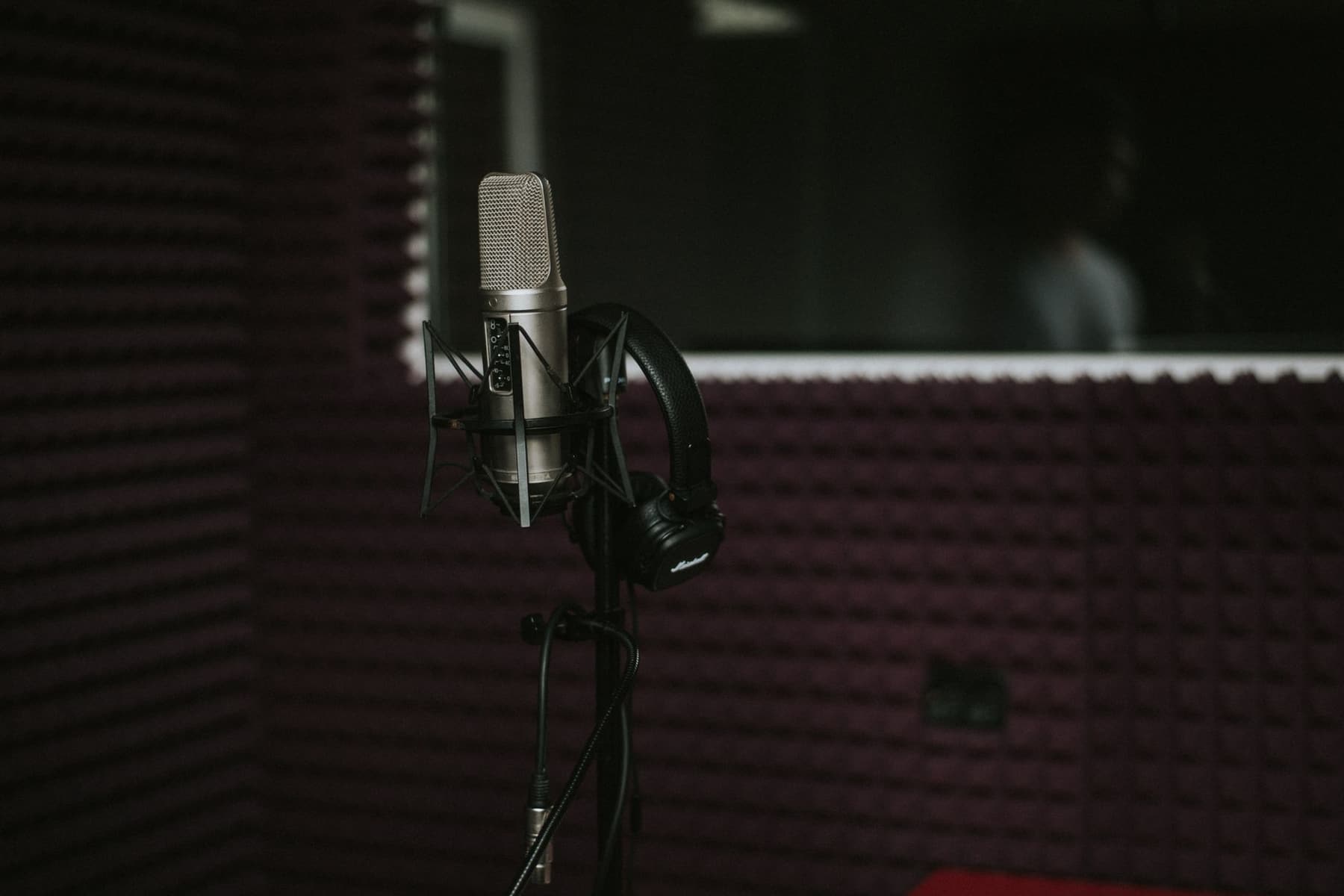
For keeping your audio to yourself, the best headphone is the Bose QuietComfort Ultra Headphones (2nd Gen): a closed back, a firm clamp and deep canceling, so you listen at a lower volume to begin with. The Sony WH-1000XM6 is the sealed over-ear that travels better at 254 g, and a sealed in-ear monitor leaks least of all — the Sennheiser IE 100 PRO, at the cost of a cable. The budget pick is the Soundcore Space 2. No headphone leaks nothing: volume matters more than the model. Prices come from Amazon’s own data, stamped with the date in each button.
The comparison
Why each of these keeps the sound in
| Design | Seal | Battery, ANC on | Wired path | |
|---|---|---|---|---|
| Bose QuietComfort Ultra (2nd Gen) | Closed-back over-ear | Firm clamp, full-perimeter pads | Up to 30 h | 2.5-to-3.5 mm cable in box |
| Sony WH-1000XM6 | Closed-back over-ear | Softer clamp, folds | Up to 30 h | Headphone cable in box |
| Sennheiser IE 100 PRO | Sealed in-ear monitor | Tip seal, foam or silicone | No battery | 1.3 m detachable, 3.5 mm |
| Soundcore Space 2 | Closed-back over-ear | Plainer pads, still sealed | Up to 50 h | 3.5 mm input |
The quietest headphone in a shared room is the one you can enjoy at 50 percent volume. Canceling reduces leakage indirectly, by removing the noise you were turning the volume up to beat.
The physics
What actually causes leakage
Sound escapes a headphone in two ways. The first is straight through an open back: an open-backed design vents the rear of the driver into the room on purpose, which is why studio reference headphones and the open-backed Koss clip-ons in our registry are the loudest offenders. There is no setting that fixes that; it is the design.
The second is around a broken seal. A cup that does not sit flat — because of glasses arms, a hat, long earrings or worn pads — leaks at the gap, and the same gap also lets noise in and cuts the canceling. Replacing flattened pads is the single cheapest leakage fix there is.
| Design | Leaks | Good for |
|---|---|---|
| Open-backed over-ear or clip-on | A lot, by design | Home alone, awareness |
| On-ear, closed | Noticeably | Short trips, light use |
| Closed-back over-ear | Little at sane volume | Offices, trains, planes |
| Sealed in-ear monitor | Least of all | Libraries, studios, shared desks |
If the problem is the other direction — their noise reaching you — the page you want is best noise-canceling headphones for an open-plan office, and the design argument in full is at open-back vs closed-back headphones.
Which one
Pick by who is sitting next to you
An office or a shared desk
A closed-back over-ear with canceling, because it solves both directions at once: you hear less of the room, so you play your audio quieter, so the room hears less of you. For calls as well as music, start at best noise-canceling headphones for office calls.
A library, a studio or a lecture
A sealed in-ear. It is the only design here that is effectively silent to a neighbor at a normal listening level, and it is also the smallest thing to carry. The wired trade-off is weighed at wired vs wireless headphones.
A thin-walled flat or a dorm
Any sealed design, plus the volume discipline. The dorm and apartment cases are at best noise-canceling headphones for dorm rooms and best noise-canceling headphones for small apartments, and the cheapest route to a sealed canceller is best noise-canceling headphones under $100.
No price is written into this page. Today’s figure sits inside each buy button, read from Amazon’s own data and stamped with the date it was read, so it expires by itself rather than sitting here being wrong. The scoring rubric is at how we choose.
In short
Key takeaways
- Bose QuietComfort Ultra Headphones (2nd Gen): closed back, firm clamp, 30 rated hours, and a cable and hard case in the box.
- Sony WH-1000XM6: the same sealed construction at 254 g, folding into a case, with 30 rated hours and LDAC.
- Sennheiser IE 100 PRO: a sealed in-ear monitor leaks less than any over-ear, at the cost of a cable and any canceling.
- Budget pick: Soundcore Space 2, a closed-back canceller with 50 rated hours and a 3.5 mm input.
- Open-backed designs leak by design and no setting fixes it. Worn, flattened pads are the most common cause of leakage on a closed-back.
At a glance
Quick picks
Scores are our editorial judgment from published specifications and cited third-party measurements, not our own testing. The rubric is published in full. Tap any row for the full write-up.
| # | Product | Best for | Score | Price |
|---|---|---|---|---|
| 1 | 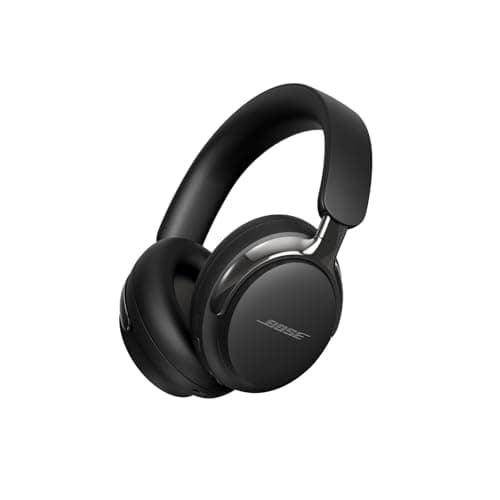 Bose QuietComfort Ultra Headphones (2nd Gen)The quietest cabin of anything here, and the only over-ear in this group whose box already contains the audio cable a seatback screen needs. | Best for a shared room | 9.09.0 out of 10, our editorial score | |
| 2 | 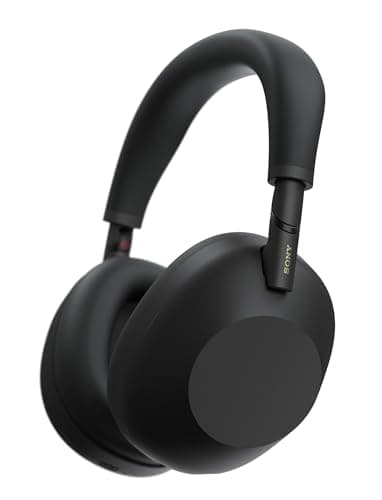 Sony WH-1000XM6The most complete travel headphone on sale: 254 g, 30 rated hours with noise canceling on, and it folds into a case small enough to stop being a decision. | Best sealed over-ear for a bag | 9.19.1 out of 10, our editorial score | |
| 3 | 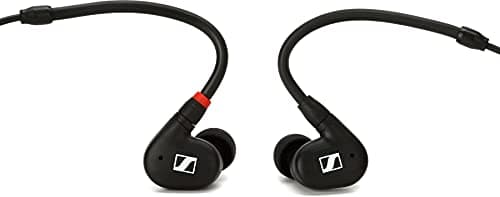 Sennheiser IE 100 PROA stage in-ear monitor with a published specification sheet rather than a marketing number: a single 10 mm broadband driver, a detachable cable and a distortion figure Sennheiser is willing to print. | Quietest to everyone else | 8.58.5 out of 10, our editorial score | |
| 4 | 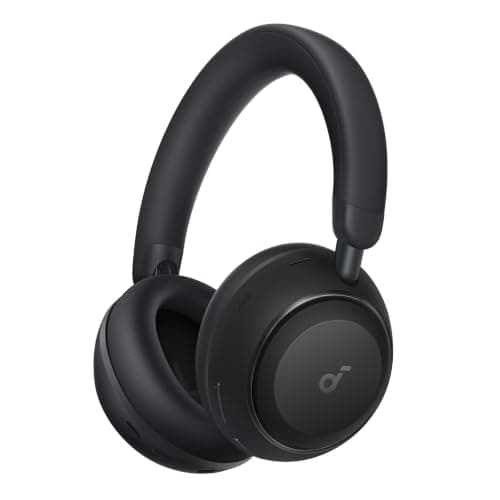 Soundcore Space 2Fifty rated hours with canceling on, a 3.5 mm input and a case in the box, at a fraction of flagship money. The compromise is in the last 10 percent of quiet, not the first 80. | Budget pick: a closed back for a fraction of the money | 8.28.2 out of 10, our editorial score |
#ad Amazon links are affiliate links. Prices come from Amazon’s own data on the date stamped under the buttons above; where we have no current figure the button reads “Check price on Amazon” instead of guessing. How this is funded.
The picks in full
Every pick, in detail
1. Best for a shared room
Bose QuietComfort Ultra Headphones (2nd Gen)
The quietest cabin of anything here, and the only over-ear in this group whose box already contains the audio cable a seatback screen needs.
Our editorial score: 9.0 / 10
#ad Price as of November 27, 2026. How this is funded
The pick for an open-plan office or a quiet carriage, for a reason that has nothing to do with electronics: a closed back, a firm clamp and pads that seal all the way round. Nothing escapes a cup it cannot get out of.
It also means you need less volume in the first place, which is the real mechanism here. Bose publishes up to 30 hours with canceling on and 45 with it off, and ships a hard case and a 2.5 mm-to-3.5 mm audio cable in the box, so a desk dock or a seatback screen is covered.
Immersive Audio costs you a third of the battery, dropping to 23 rated hours. Clamp is firmer out of the box than the Sony’s, which is exactly why it leaks less and also why some people find hour four tiring, and the hard case is compact but will not squash into a full bag.
What works on a plane
- The best low-frequency canceling in this group, which is exactly the band engine drone lives in
- The 2.5 mm-to-3.5 mm cable is in the box, so a seatback screen needs nothing extra
- Compact hard case for a full-size over-ear
- Up to 45 hours with canceling off, if you only want isolation on a train
What does not
- Immersive Audio costs you a third of the battery, dropping to 23 rated hours
- Heavier than the Sony by roughly 10 g, and clamp is firmer out of the box
- The hard case is compact but still rigid, so it will not squash into a full bag
How it scores against the five travel axes
Published specifications
| Spec | Figure | Source |
|---|---|---|
| Battery, ANC on | Up to 30 hours | Bose |
| Battery, ANC off | Up to 45 hours | Bose |
| Battery, Immersive Audio on | Up to 23 hours | Bose |
| Weight | Approx. 264 g (9.3 oz) as reported | Published reviews |
| USB-C audio | 16-bit, 44.1 or 48 kHz lossless input | Bose support |
| In the box | Hard case, USB-C cable, 2.5 mm-to-3.5 mm audio cable | Bose |
| Folds | Earcups rotate flat into a compact hard case | Bose |
Read the full Bose QuietComfort Ultra Headphones (2nd Gen) review
2. Best sealed over-ear for a bag
Sony WH-1000XM6
The most complete travel headphone on sale: 254 g, 30 rated hours with noise canceling on, and it folds into a case small enough to stop being a decision.
Our editorial score: 9.1 / 10
#ad Price as of November 27, 2026. How this is funded
For the commuter who shares a carriage in the morning and a desk in the afternoon. The same closed-back construction, in a 254 g headphone that folds into a magnetic-closure case.
Sony publishes up to 30 hours with canceling on and 40 with it off, Bluetooth 5.3, LDAC and LC3, and a wired response of 4 Hz to 40,000 Hz with the included cable. The headphone cable and the case are both in the box.
You pay flagship money for the last increment of canceling, the folding hinge is one more mechanism to wear out, and there is no airline two-prong adapter included. Clamp is gentler than the Bose, which is more comfortable and marginally less sealed.
What works on a plane
- Folds, which halves the space it takes in a personal item
- 254 g is light for a flagship over-ear, and weight is what you feel at hour four
- LDAC plus LC3 means it is not locked to one phone ecosystem
- 30 rated hours with noise canceling on covers almost any single routing
What does not
- You pay a flagship price for the last increment of noise canceling
- The folding hinge is one more mechanism to eventually wear out
- No airline two-prong adapter in the box
How it scores against the five travel axes
Published specifications
| Spec | Figure | Source |
|---|---|---|
| Weight | Approx. 254 g (9 oz) | Sony Help Guide specifications |
| Battery, NC on | Up to 30 hours | Sony specifications |
| Battery, NC off | Up to 40 hours | Sony specifications |
| Full charge | Approx. 3.5 hours | Sony Help Guide specifications |
| Bluetooth | 5.3 | Sony Help Guide specifications |
| Codecs | SBC, AAC, LDAC, LC3 | Sony Help Guide specifications |
| Wired response | 4 Hz - 40,000 Hz (IEC) | Sony Help Guide specifications |
| Folds | Yes, into a magnetic-closure case | Sony |
| In the box | Headset, headphone cable, USB-C cable, carrying case, documents | Sony Help Guide, Included items |
3. Quietest to everyone else
Sennheiser IE 100 PRO
A stage in-ear monitor with a published specification sheet rather than a marketing number: a single 10 mm broadband driver, a detachable cable and a distortion figure Sennheiser is willing to print.
Our editorial score: 8.5 / 10
#ad Price as of November 27, 2026. How this is funded
For a library, a recording room or a desk 1.2 m from a colleague: a sealed in-ear monitor leaks less than any over-ear, because the driver is inside your ear canal rather than in a cup next to it.
Sennheiser publishes 20 Hz to 18,000 Hz, 20 ohm, 115 dB SPL at 1 kHz, distortion under 0.1 percent, a 10 mm broadband transducer and a 1.3 m detachable cable with a 3.5 mm plug. Foam and silicone adapters are in the box, so the seal is yours to tune.
It is wired, so there is a cable on the desk and no Bluetooth. There is no active canceling at all — isolation comes entirely from the tip seal — and no microphone on the stock cable, so it is not a call headset.
What works on a plane
- A real specification sheet with distortion and impedance figures, which most earbuds never publish
- No battery at all, so it never runs out and never degrades
- Detachable cable means a frayed cable is a repair rather than a replacement
- Foam and silicone tips in the box, so the seal that does all the isolating is yours to tune
What does not
- Wired, so there is a cable in your lap and no Bluetooth on a plane without an adapter
- No active noise canceling at all — isolation comes entirely from the tip seal
- No microphone on the stock cable, so it is not a call headset
How it scores against the five travel axes
Published specifications
| Spec | Figure | Source |
|---|---|---|
| Frequency response | 20 - 18,000 Hz | Sennheiser |
| Impedance | 20 ohm | Sennheiser |
| Sound pressure level | 115 dB (1 kHz, 1 Vrms) | Sennheiser |
| Distortion | THD < 0.1 % (1 kHz, 94 dB) | Sennheiser |
| Transducer | 10 mm dynamic broadband | Sennheiser |
| Cable | 1.3 m detachable, 3.5 mm jack plug | Sennheiser |
| In the box | Foam and silicone ear adapters, soft pouch, cleaning tool | Sennheiser |
4. Budget pick: a closed back for a fraction of the money
Soundcore Space 2
Fifty rated hours with canceling on, a 3.5 mm input and a case in the box, at a fraction of flagship money. The compromise is in the last 10 percent of quiet, not the first 80.
Our editorial score: 8.2 / 10
#ad Price as of November 27, 2026. How this is funded
The budget pick, and the cheapest closed-back canceller here that does the job properly. The same structural argument applies: a sealed cup with canceling behind it means less volume, and less volume means less leakage.
soundcore publishes up to 50 hours with canceling on and 70 with it off, 40 mm double-layer diaphragm drivers, LDAC, Bluetooth 6.1 and a 3.5 mm input, with a carrying case included and five minutes of charge buying four hours.
The −37 dB figure is Anker’s own laboratory number, not an independent measurement. Pads are plainer than a premium headphone’s, which also means the seal degrades sooner, and the plastic build is less robust than the flagships.
What works on a plane
- Up to 50 rated hours with canceling on, which beats every flagship here
- A 3.5 mm input and a case in the box, so nothing else to buy for a seatback screen
- Five minutes of charge buys four hours, which covers a gate-side mistake
- The cheapest way here to get genuinely useful drone reduction on a plane
What does not
- The -37 dB canceling figure is Anker's own laboratory number, not an independent measurement, and the gap to Bose is audible
- Plainer pad materials than the Sennheiser, so hour four is less comfortable
- Plastic build will not survive being crushed in an overhead bin the way the metal Apple would
How it scores against the five travel axes
Published specifications
| Spec | Figure | Source |
|---|---|---|
| Battery, ANC on | Up to 50 hours | soundcore |
| Battery, ANC off | Up to 70 hours | soundcore |
| Quick charge | 5 minutes gives 4 hours | soundcore |
| Full charge | Approx. 2 hours | soundcore support specifications |
| Weight | 264 g (9.31 oz) | soundcore |
| Bluetooth | 6.1 | soundcore |
| Microphones | 3, with AI enhancement for calls | soundcore |
| Codecs | SBC, AAC, LDAC | soundcore support specifications |
| Drivers | 40 mm double-layer diaphragm | soundcore |
| Canceling depth | -37 dB, measured in Anker's own laboratory | soundcore support specifications |
| In the box | Headphones, charging cable, carrying case | soundcore |
| Wired | 3.5 mm input, Hi-Res in wired mode | soundcore |
How we decide
How these picks were chosen
We do not run a test lab and we do not claim to have flown with these units. Every verdict on this page is one of three things: a measurement published by somebody who does own a test rig and is credited by name, a manufacturer specification we quote and then interpret against what a long flight actually demands, or a plainly-labeled editorial judgment. The five axes we score on — cabin-noise reduction, battery on a long-haul, pack size, comfort past hour three, and wired fallback — are the ones that decide a travel purchase, and the weighting is published in full.
Questions
Common questions
Do noise-canceling headphones stop sound leaking out?
Not directly — canceling works on noise coming in, not on your audio going out. It helps indirectly, and substantially: when the background is quieter you listen at a lower volume, and volume is the biggest single factor in how much your neighbor hears.
Which leaks less, earbuds or over-ear headphones?
A well-sealed in-ear leaks less than a closed-back over-ear, because the driver fires into a closed canal rather than into a cup. A loose-fitting earbud is a different story: break the seal and it leaks as much as anything else, and it sounds thin while doing it.
Why can people hear my headphones on the train?
Almost always volume, not the headphones. Train noise sits in the same low band your music does, so you push the level to hear detail and everything above the background escapes. Canceling, or a better seal, lets you drop the volume instead.
Can I make my current headphones leak less?
Three things work: replace flattened ear pads so the seal is complete again, try a different tip size or foam tips on an earbud, and turn the volume down a notch after enabling canceling. More on getting a seal out of what you own is at how to improve noise canceling.
Sources
Where these figures come from
- Bose QuietComfort Ultra Headphones (2nd Gen) product page (battery, in-the-box cable, case)
- Sony WH-1000XM6 specifications (battery, codecs, wired response, weight)
- Sennheiser IE 100 PRO specifications (response, impedance, SPL, distortion, cable, tips)
- Soundcore Space 2 product page (battery, drivers, 3.5 mm input, case)
Read next
Related reading
- Open-back vs closed-back headphones
The design difference that decides leakage.
- Best noise-canceling headphones for an open-plan office
The same room, from the other direction.
- Best noise-canceling headphones under $100
The cheapest route to a sealed closed-back canceller.
- Best noise-canceling headphones for dorm rooms
Shared walls, where both directions matter.
- How to improve noise canceling
Pads, tips and seal, which also fix leakage.