
For calls, the best earbuds overall are the Sony WF-1000XM6, because Sony pairs beamforming microphones with bone conduction sensors that detect your jaw moving — the only hardware approach here to separating your voice from the room — alongside up to 8 rated hours and 24 with the case. On an iPhone the AirPods Pro 3 is the better buy for its handoff, dual beamforming microphones and five tip sizes. Under $100 the EarFun Air Pro 4 publishes the most microphone hardware: six mics with cVc 8.0. For calls on the move the Beats Powerbeats Pro 2 keeps three microphones active with a single bud in.
The criteria
What actually decides call quality on an earbud
Every other page on this site judges a headphone on what it does to the sound arriving at your ears. A call reverses that. Your caller does not care how quiet your commute sounds to you; they care whether your voice arrives separated from it. The specification that governs that is microphone layout, and it has almost nothing to do with canceling depth.
These are the five things we weighted, in order, and all five are published figures rather than impressions.
1. How the earbud decides what is your voice
This is the whole ballgame. There are two published approaches. Beamforming uses two or more microphones per bud and the tiny time difference between them to work out which sounds arrived from the direction of your mouth. A bone conduction sensor or accelerometer does something different: it detects your jaw and skull vibrating when you speak, which gives the processor a signal that exists only when the wearer is actually talking. Sony publishes both on the WF-1000XM6, which is why it wins this page.
2. Microphone count, read carefully
More microphones is not automatically better, because some of those microphones are doing noise canceling rather than voice pickup. The useful question is how many are aimed at your mouth, and whether they still work when you take a bud out. Beats is unusually specific here — three active with one bud in, five across the pair — and specificity is worth something, because the single-bud case is how most calls get taken.
3. Whether you can hear your own voice
Sealed earbuds with canceling on produce the occlusion effect: your own voice sounds boomy and distant, so you talk too loudly. Sidetone, where the earbud feeds a little of the microphone signal back to you, is the fix. It is poorly documented across this category — which is itself worth knowing before you buy — and the practical workaround on any of these is to switch to transparency mode for the duration of the call. Transparency mode versus noise canceling explains what that trade costs you.
4. Wind, which is where cheap call processing collapses
An earbud microphone sits in open air on the side of your head, which is the worst possible place to put one outdoors. No manufacturer here publishes a wind-noise figure, and we are not going to invent one. What you can read off the spec sheet is the thing that correlates: a bud whose microphones are recessed and whose processor has a second non-acoustic voice signal has more to work with in wind than one relying on beamforming alone.
5. Battery measured in call hours, not listening hours
Rated battery figures are quoted for playback. A call runs the microphones, the radio and the processor harder, so treat the published number as a ceiling rather than a plan. This is the axis where the Bose genuinely struggles for call-heavy work — 6 rated hours and 18 total with the case is a top-up before lunch — and where the EarFun’s 35 total hours with canceling on quietly outperforms earbuds costing three times as much.
The matrix
Published call specifications, side by side
| Earbud | Call microphones | Named call tech | Battery, ANC on | Total with case |
|---|---|---|---|---|
| Sony WF-1000XM6 | Eight microphones; dual beamforming per ear | Advanced Voice Pickup: bone conduction sensors, beamforming mics, AI noise reduction | up to 8 h | up to 24 h |
| Apple AirPods Pro 3 | Dual beamforming plus an inward-facing mic per bud | Voice Isolation | up to 8 h | up to 24 h |
| EarFun Air Pro 4 | Six microphones | 6-mic array, AI algorithm and cVc 8.0 | up to 7.5 h | up to 35 h |
| Beats Powerbeats Pro 2 | Three per bud; three active with one bud, five with both | Voice Isolation | up to 8 h | up to 36 h |
| Bose QC Ultra Earbuds (2nd Gen) | Not published | Not published | up to 6 h (4 h Immersive) | up to 18 h |
| Shokz OpenRun Pro 2 | Not published as a count | Not published | up to 12 h (no ANC fitted) | No case |
Two things stand out in that table. The first is that the two most expensive products publish the least — Bose documents neither a microphone count nor a call feature name, and we would rather print “Not published” than borrow a number from a measurement we did not take. The second is that microphone count and price are barely related: the $89.99 EarFun publishes six, the $249.99 Beats publishes three per bud.
Canceling is what you buy for yourself. Microphone layout is what you buy for the person on the other end.
The reversal
Why the quietest earbud is not the best call earbud
The Bose QuietComfort Ultra Earbuds takes the deepest part of the low-frequency band in this form factor, which is why it wins the roundup for flights and sits fifth here. Canceling is applied to the signal coming in. It does nothing to the signal going out. A product can be the quietest thing in the category and still send your caller a wall of cafe noise, because those are two separate signal paths with two separate sets of hardware.
This is the same conclusion the over-ear page reaches by a different route. The best noise-canceling headphones for office calls ranks a JBL above two flagships for exactly this reason. If you are deciding between a full-size headphone and earbuds for a call-heavy job, read that page alongside this one — and if the job is calls more or less all day, headphones versus a headset is the comparison that actually applies, because a boom microphone sitting two inches from your mouth beats every array on this page.
Fit
A bud that does not seal is a bud whose microphones are in the wrong place
Microphone arrays are designed around an assumed position. If the bud sits shallower or more rotated than the designer expected, the beamforming geometry is off and the processing gets worse at the one job you bought it for. This is why tip sizes appear in a call ranking at all: Apple’s five sizes are not a comfort feature, they are an accuracy feature.
It is also why the fit fork between the Bose and everything else matters. The Bose braces against the outer ear with three stabilizer band sizes instead of wedging into the canal, which suits some ears far better over an hour-long meeting. If you have never found a tip that stays put, best earbuds for small ears covers how to work out which fit family you belong to before you spend anything.
The practical layer
Multipoint, and the thing that wastes the first minute of every meeting
If calls arrive on a laptop and a phone, you want both connected at once. The EarFun publishes multipoint and so does the Shokz. Apple and Beats handle it differently: inside the Apple ecosystem switching is automatic across your signed-in devices, which is better than multipoint when all your devices are Apple and worse when they are not. Sony supports multipoint on this generation.
Two practical notes that are worth more than another spec. First, test the microphone before the meeting rather than during it — record a voice memo while standing where you will actually be standing. Second, if your calls happen on a train or a plane, remember that none of these six has a wired fallback, so a seatback screen or a conference-room jack needs separate hardware; airplane headphone jack adapters covers that.
What not to buy on
Three numbers that do not predict call quality
- Canceling depth. It describes the inbound path only. The Bose is the clearest case on this page: best in class at one job, undocumented at the other.
- Codec support. LDAC and aptX Lossless improve music quality on the way in. Voice calls run over a different, much narrower profile, so a lossless codec changes nothing about how you sound.
- Raw microphone count. Six microphones split between canceling and voice pickup is not obviously better than four aimed well. Read the layout, not the total.
Verdict by situation
Which of the six, for which kind of call
| Your situation | Pick | Why |
|---|---|---|
| Calls from anywhere, any phone | Sony WF-1000XM6 | Bone conduction sensors plus beamforming is the only hardware approach here to isolating your voice. |
| iPhone and Mac all day | AirPods Pro 3 | Handoff without a menu, dual beamforming mics and five tip sizes so the array sits right. |
| Under $100 | EarFun Air Pro 4 | Six microphones with cVc 8.0 and 35 total hours with canceling on, at $89.99. |
| One bud in, walking between meetings | Powerbeats Pro 2 | Three microphones stay active with a single bud, and the earhook stops it migrating. |
| A loud room you need to hear the call in | Bose QC Ultra Earbuds | Deepest canceling in an earbud. Accept the 6-hour battery and the unpublished mic specs. |
| You must hear your surroundings too | Shokz OpenRun Pro 2 | Open ear, 12 rated hours, nothing in the canal. Wrong on a plane, right in a busy house. |
| Calls are literally your job | None of these — a headset | A boom microphone near your mouth outperforms any in-ear array. See headphones versus a headset. |
Context
Where these sit against the rest of the site
Five of the six appear in other rankings here, judged on the inbound signal instead, and the order changes noticeably when they are. The Bose wins on flights and places fifth here. The Sony wins both, which is unusual and is the main reason it is the default recommendation. The EarFun, which is a value pick elsewhere, is a genuine specification leader on this page rather than a compromise — the only page on this site where that is true.
If your calls mostly happen on a commute rather than at a desk, best noise-canceling earbuds for commuting weights platform noise and quick pairing above everything discussed here, and the two pages disagree in one place worth knowing about. And if you want the long-form argument for the pick at the top, the Sony WF-1000XM6 review works through all five of this site’s travel criteria.
In short
Key takeaways
- Call quality is set by microphone layout, not canceling depth — they are separate signal paths.
- Sony WF-1000XM6 is the pick: bone conduction sensors plus beamforming mics plus AI noise reduction, 8 rated hours and 24 with the case.
- AirPods Pro 3 wins on an iPhone for handoff, dual beamforming mics and five tip sizes.
- EarFun Air Pro 4 publishes six microphones and cVc 8.0 at $89.99 — more mic hardware than products costing three times as much.
- Powerbeats Pro 2 keeps three microphones active with one bud in, which is how most calls are taken.
- Bose is the quietest and the least documented on calls: no published mic count, and 6 rated hours.
- None of the six has a wired fallback, so a conference-room or seatback jack needs separate hardware.
At a glance
Quick picks
Scores are our editorial judgment from published specifications and cited third-party measurements, not our own testing. The rubric is published in full. Tap any row for the full write-up.
| # | Product | Best for | Score | Price |
|---|---|---|---|---|
| 1 | 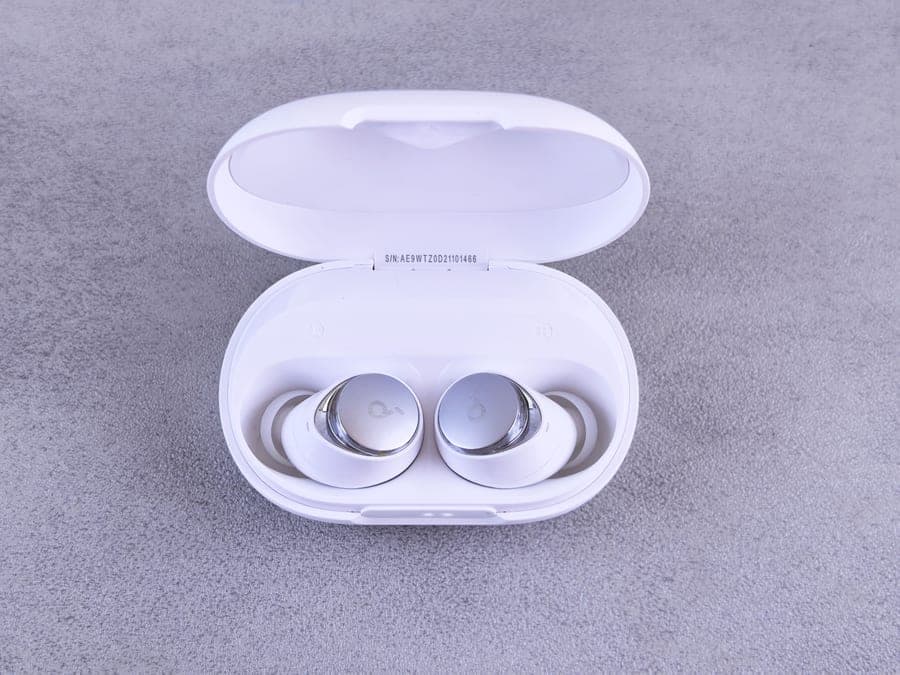 Sony WF-1000XM6Eight rated hours per bud and 24 with the case, at roughly 6.5 g each. The most sensible premium earbud for a flight, because you never have to plan around the battery. | Best earbuds for calls overall | 8.98.9 out of 10, our editorial score | |
| 2 | 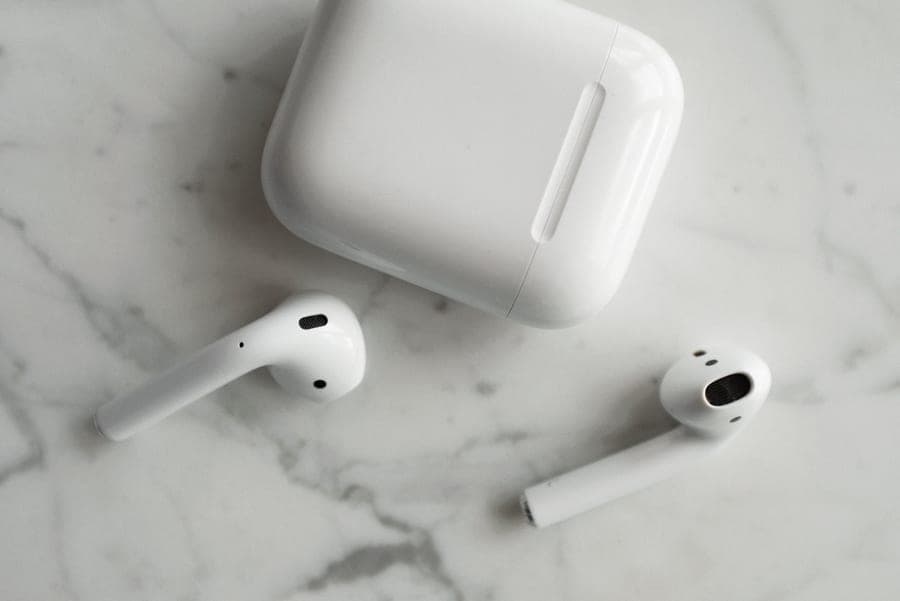 Apple AirPods Pro 3Eight rated hours with canceling on, foam tips in five sizes and an IP57 rating. If your phone is an iPhone this is the least friction of anything here. | Best for iPhone and Mac calls | 8.88.8 out of 10, our editorial score | |
| 3 | 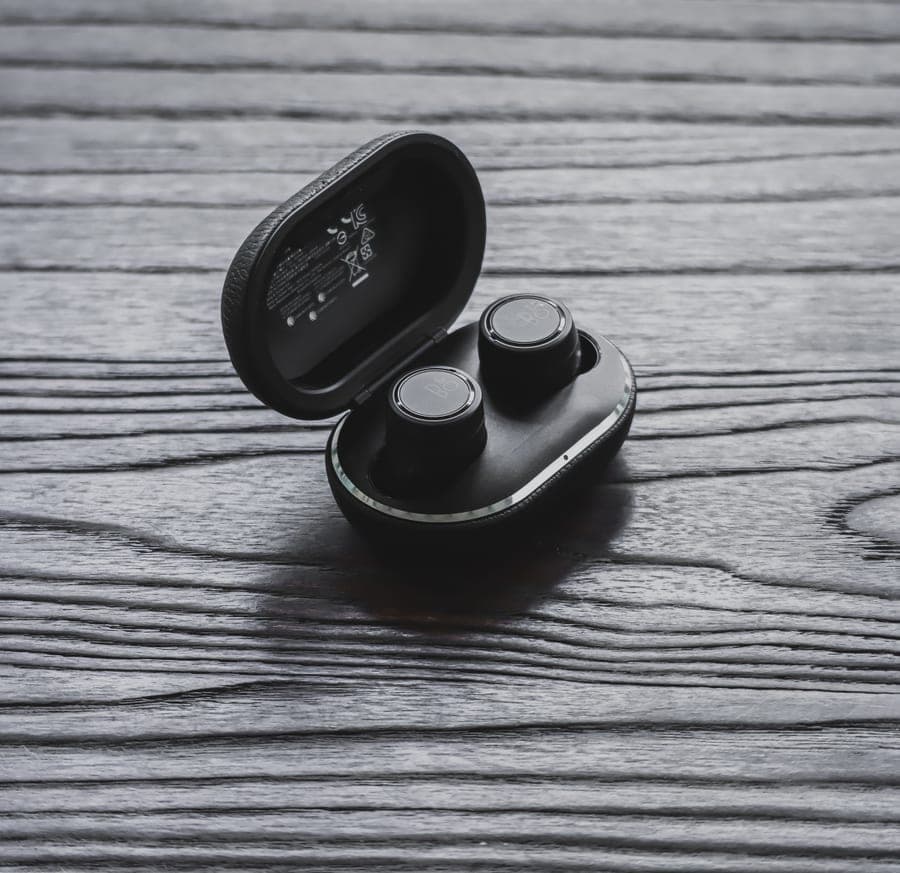 EarFun Air Pro 4Eleven rated hours per bud and 52 with the case, plus LDAC and aptX Lossless, for a small fraction of flagship money. It buys most of the quiet for a little of the price. | Best call microphones under $100 | 8.08.0 out of 10, our editorial score | |
| 4 | 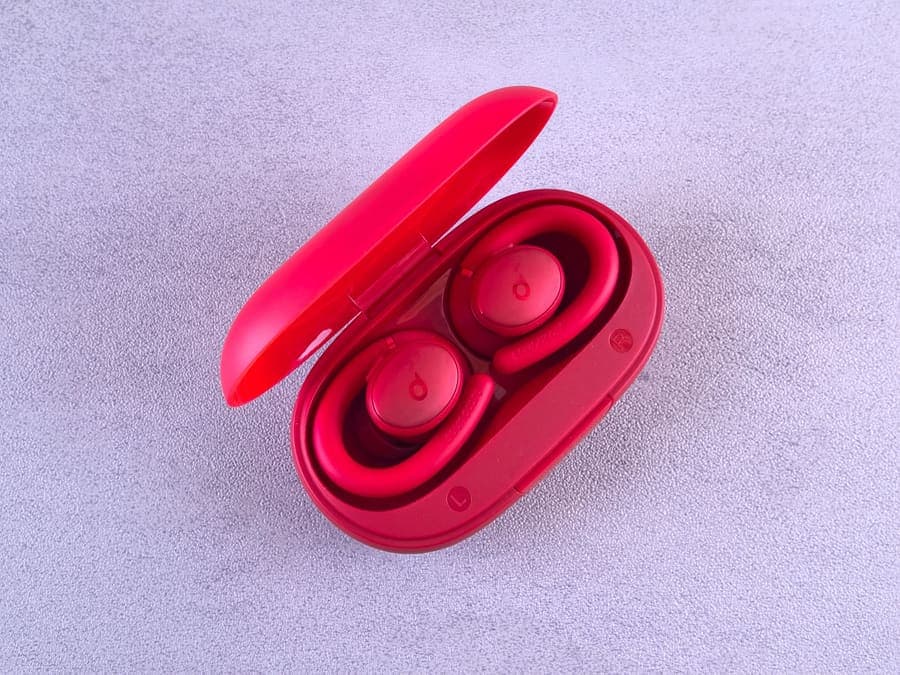 Beats Powerbeats Pro 2The ear hook is the whole argument: a sealed earbud that does not migrate out on a long run, with noise canceling for the treadmill and transparency for the road. | Best for calls taken on the move | 8.48.4 out of 10, our editorial score | |
| 5 | 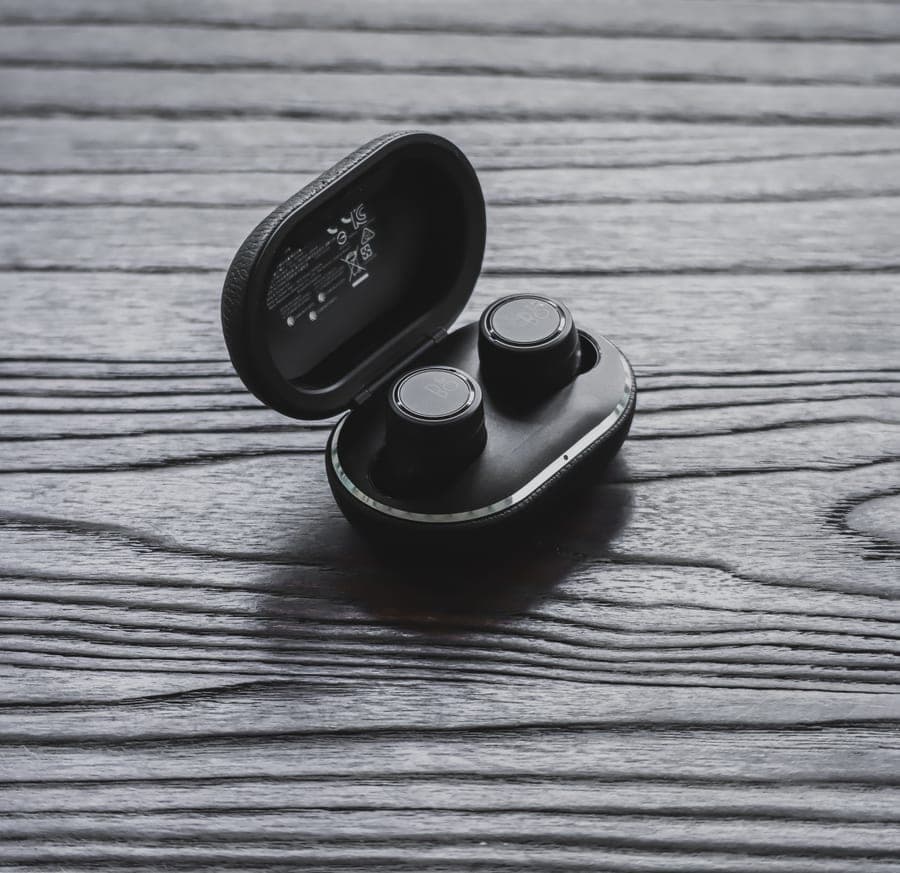 Bose QuietComfort Ultra Earbuds (2nd Gen)The quietest earbuds you can put in a pocket, with the shortest single-charge runtime of the premium set: six rated hours, four with Immersive Audio on. | Best if the noise is around you, not your caller | 8.48.4 out of 10, our editorial score | |
| 6 |  Shokz OpenRun Pro 2An open-ear headphone that leaves your ear canal empty, so you hear the traffic behind you as well as the playlist. The point of it is the opposite of noise canceling. | Best if you need to hear the room as well as the call | 8.58.5 out of 10, our editorial score |
#ad Amazon links are affiliate links. No live price is shown anywhere on this site, so every button reads “Check price on Amazon”. How this is funded.
The picks in full
Every pick, in detail
1. Best earbuds for calls overall
Sony WF-1000XM6
Eight rated hours per bud and 24 with the case, at roughly 6.5 g each. The most sensible premium earbud for a flight, because you never have to plan around the battery.
Our editorial score: 8.9 / 10
#ad Live price not shown. How this is funded
Also sold direct by Sony — we earn nothing there, so check both.
This is the only earbud here that attacks the hard part of a call with hardware rather than software alone. Sony describes the system as Advanced Voice Pickup: bone conduction sensors that detect your jaw vibrating, beamforming microphones aimed at your mouth, and an AI noise reduction stage on top. The sensors matter because they give the processor a second, independent answer to the question “is this sound the wearer talking, or is it the room?”
Everything else on the spec sheet supports a working day rather than a single call. Up to 8 rated hours per bud with canceling on and up to 24 with the case, 16 of those coming from the case itself, means you can take calls all morning and still have reserve for the flight. Roughly 6.5 g per bud with the medium tips fitted, an 8.4 mm driver, Bluetooth 5.3, SBC, AAC, LDAC and LC3, and the QN3e processor with dual processors and eight microphones. IPX4.
Honest cons: there is no wired fallback of any kind, so a desk phone or a conference room with a jack is out. IPX4 is splash resistance, not weather resistance, which matters if your calls happen while walking in the rain. And Sony publishes no independent measurement of how its call processing performs, so the ranking here rests on what the hardware is built to do, not on a lab result we produced.
What works on a plane
- Eight rated hours per charge clears most short-haul flights without touching the case
- 24 hours total with the case is the strongest reserve in the premium earbud set
- LDAC means it is not tied to one phone platform
- Roughly 6.5 g per bud effectively disappears when you are trying to sleep on your side
What does not
- Canceling is excellent but the Bose still takes the low-frequency band
- No wired fallback at all, so a seatback screen needs a transmitter
- IPX4 is splash resistance, not weather resistance
How it scores against the five travel axes
Published specifications
| Spec | Figure | Source |
|---|---|---|
| Battery, earbuds | Up to 8 hours | Sony |
| Total with case | Up to 24 hours (16 from the case) | Sony |
| Weight | Approx. 6.5 g per bud with M tips | Sony |
| Driver | 8.4 mm | Sony |
| Bluetooth | 5.3 | Sony |
| Codecs | SBC, AAC, LDAC, LC3 | Sony |
| Water resistance | IPX4 | Sony |
| Processor | HD Noise Canceling Processor QN3e, dual processors, eight microphones | Sony |
2. Best for iPhone and Mac calls
Apple AirPods Pro 3
Eight rated hours with canceling on, foam tips in five sizes and an IP57 rating. If your phone is an iPhone this is the least friction of anything here.
Our editorial score: 8.8 / 10
#ad Live price not shown. How this is funded
Also sold direct by Apple — we earn nothing there, so check both.
Apple publishes dual beamforming microphones plus an inward-facing microphone per bud, and Voice Isolation as the named call feature. Where Apple wins is not the microphone count, which is lower than the EarFun below, but the handoff: a call that starts on an iPhone and moves to a Mac does so without a Bluetooth menu, and on a workday that is the friction you actually feel.
The fit story is the second reason it ranks this high. Apple ships silicone tips in five sizes — XXS, XS, S, M and L — which is the widest range here, and a bud that seals properly is a bud whose microphones sit where the designer intended. Up to 8 hours of listening with Active Noise Cancellation on a charge and up to 24 total with the case, five minutes in the case giving around an hour, and IP57 on both buds and case — the toughest rating in this group.
Honest cons: on Android you lose most of what you paid for and it becomes a good but ordinary earbud. There is no wired option. And Apple’s headline canceling claim — up to twice as much noise removed as the AirPods Pro 2 — is a manufacturer claim measured against its own predecessor, not an independent result, and it describes what you hear rather than what your caller hears.
What works on a plane
- Eight rated hours and 24 with the case, matching the best of the premium earbuds
- Foam tips in five sizes solve the fit problem that ruins canceling on most buds
- IP57 on both buds and case is the toughest rating in this group
- Live Translation and heart-rate sensing are genuinely useful abroad, not spec-sheet filler
What does not
- Apple's 2x noise figure is a manufacturer claim measured against its own predecessor, not an independent measurement
- The best features need an iPhone; on Android it is a good but ordinary earbud
- No wired option, so in-flight entertainment needs a transmitter
How it scores against the five travel axes
Published specifications
| Spec | Figure | Source |
|---|---|---|
| Battery, ANC on | 8 hours listening | Apple tech specs |
| Battery, Transparency | Up to 10 hours | Apple tech specs |
| Total with case | Up to 24 hours with ANC | Apple tech specs |
| Quick charge | 5 minutes in the case gives around 1 hour | Apple tech specs |
| Ear tips | Foam tips in five sizes | Apple |
| Water resistance | IP57, buds and case | Apple |
| Apple's ANC claim | Removes up to 2x more noise than AirPods Pro 2 | Apple newsroom |
3. Best call microphones under $100
EarFun Air Pro 4
Eleven rated hours per bud and 52 with the case, plus LDAC and aptX Lossless, for a small fraction of flagship money. It buys most of the quiet for a little of the price.
Our editorial score: 8.0 / 10
#ad Live price not shown. How this is funded
Six microphones per pair, an AI algorithm and cVc 8.0 call processing, listed at $89.99 at the time of writing. On paper that is more microphone hardware than the Apple or the Beats, and cVc is the same lineage of Qualcomm voice processing that business headsets have used for years. If your problem is that colleagues say they cannot hear you over the street, this is the cheapest serious answer on the page.
It also covers the practical things a call-heavy day needs: Bluetooth 5.4, multipoint so a laptop and a phone are connected at once, and IPX5. Battery depends on the mode and EarFun publishes both — up to 7.5 hours a charge and 35 total with the case with canceling on, rising to 11 and 52 with canceling off. Codecs are aptX Lossless, LDAC, AAC and SBC, which is unusual at the price.
Honest cons: the 50 dB canceling figure is EarFun’s own rating rather than an independent measurement, and the gap to Bose is clear in use. Adaptive canceling is less steady than the flagships when cabin noise changes. App polish and firmware support are a step behind the majors, which is the real cost of the price.
What works on a plane
- Eleven rated hours per bud is longer than any premium earbud here
- 52 hours with the case means a two-week trip without a charger thought
- aptX Lossless and LDAC at this price is genuinely unusual
- Losing one on a plane is an annoyance rather than a disaster
What does not
- The 50 dB figure is EarFun's own rating, not an independent measurement, and the gap to Bose is clear
- Adaptive canceling is less steady than the flagships when cabin noise changes
- App polish and firmware support are a step behind the majors
How it scores against the five travel axes
4. Best for calls taken on the move
Beats Powerbeats Pro 2
The ear hook is the whole argument: a sealed earbud that does not migrate out on a long run, with noise canceling for the treadmill and transparency for the road.
Our editorial score: 8.4 / 10
#ad Live price not shown. How this is funded
Also sold direct by Beats — we earn nothing there, so check both.
Three microphones in each bud, and Beats states that all three are active when you are using one earbud and five are active across the pair — which is the specific case most people take calls in, with one bud in. Voice Isolation reduces background noise while isolating your voice, and the Apple H2 chip means the switching behavior on an iPhone is the same as the AirPods above.
The hook is why it is here rather than higher or lower. A nickel-titanium alloy-reinforced earhook keeps the bud where it was put, so a call taken while walking to a gate is not a call spent pushing a bud back into your ear. Up to 8 hours a bud with canceling or transparency on and 36 with the case, rising to 10 and 45 with Adaptive EQ alone, plus a 5-minute charge for up to 1.5 hours and built-in heart-rate sensing.
Honest cons: the hooks make the case noticeably larger than a stem earbud case, which is a genuine penalty in a packed personal item. IPX4 is sweat and splashes only, and the charging case is not rated at all. The best features assume an Apple device, and there is no wired fallback.
What works on a plane
- Ear hooks solve the one problem that ruins running earbuds, which is drift
- Switchable canceling and transparency, so the same pair works on the treadmill and the road
- Heart-rate sensing on board removes one more strap from the kit
- USB-C and Qi charging, so it uses whatever cable you already carry
What does not
- IPX4 is splash and sweat only — do not take these into a pool
- The hooks make the case noticeably larger than a stem earbud case
- Best features assume an Apple device, so an Android buyer loses part of what they paid for
How it scores against the five travel axes
Published specifications
| Spec | Figure | Source |
|---|---|---|
| Battery, ANC or transparency on | Up to 8 hours per bud, 36 hours with the case | Beats |
| Battery, Adaptive EQ | Up to 10 hours per bud, 45 hours with the case | Beats |
| Water resistance | IPX4 (sweat and splashes) | Beats |
| Chip | Apple H2 | Beats |
| Noise control | Active noise canceling and transparency | Beats |
| Heart rate | Built-in heart-rate sensors | Beats |
| Charging | USB-C and Qi wireless | Beats |
| List price | $249.99 at the time of writing | Beats |
5. Best if the noise is around you, not your caller
Bose QuietComfort Ultra Earbuds (2nd Gen)
The quietest earbuds you can put in a pocket, with the shortest single-charge runtime of the premium set: six rated hours, four with Immersive Audio on.
Our editorial score: 8.4 / 10
#ad Live price not shown. How this is funded
Also sold direct by Bose — we earn nothing there, so check both.
The distinction this page keeps making matters most here. The Bose is the quietest earbud you can put in a pocket, which makes it the best of these for hearing a call in a loud room — a cafe, a train vestibule, an open-plan floor at 4pm. What it does not do is give you a published reason to believe it is the best at sending your voice out.
The shallow fit is the other argument. Three stabilizer band sizes brace against the outer ear rather than wedging into the canal, which for a lot of people is the difference between a tolerable hour-long meeting and taking the bud out halfway. The case charges over USB-C or wirelessly. IPX4.
Honest cons: Bose publishes no microphone count and no call-processing feature name we could verify, so we will not claim one. Battery is the weakest premium reserve here — up to 6 rated hours with Immersive Audio off, 4 with it on, and up to 18 total with the case — which on a day of back-to-back calls means a case top-up before lunch. No wired fallback.
What works on a plane
- Canceling that genuinely rivals a full-size over-ear, in something pocketable
- The shallow fit is far more tolerable than deep-insertion buds on a long flight
- Wireless case charging is one fewer cable in the bag
What does not
- Six rated hours means a case top-up mid-flight on any long-haul
- Immersive Audio cuts that to four, so on a plane you will mostly leave it off
- 18 hours total with the case is the weakest reserve in the premium earbud set
How it scores against the five travel axes
Published specifications
| Spec | Figure | Source |
|---|---|---|
| Battery, Immersive off | Up to 6 hours | Bose support |
| Battery, Immersive on | Up to 4 hours | Bose support |
| Total with case | Up to 18 hours | Bose support |
| Case charging | USB-C and wireless | Bose support |
| Water resistance | IPX4 | Bose support |
| Fit | Three stabilizer band sizes, shallow insertion | Bose |
Read the full Bose QuietComfort Ultra Earbuds (2nd Gen) review
6. Best if you need to hear the room as well as the call
Shokz OpenRun Pro 2
An open-ear headphone that leaves your ear canal empty, so you hear the traffic behind you as well as the playlist. The point of it is the opposite of noise canceling.
Our editorial score: 8.5 / 10
#ad Live price not shown. How this is funded
Also sold direct by Shokz — we earn nothing there, so check both.
The deliberate opposite of everything above. Nothing goes into your ear canal, so you hear the call and the doorbell and the colleague standing behind you. For anyone who takes calls while also needing situational awareness — a home office with children in it, a warehouse walkabout, a long outdoor walk — a sealed earbud is the wrong tool and no amount of transparency mode fixes it properly.
30.3 g on a titanium band, up to 12 rated hours, 5 minutes of charge for 2.5 hours, a full charge in an hour, Bluetooth 5.3 with multipoint, and IP55 for sweat and splashes. Twelve hours is a working day of calls without a thought.
Honest cons: it is open by design, so it is the wrong choice on a plane or in a loud open-plan office, and your callers may hear more of your room than they would with a sealed bud. Bone conduction gives up bass depth against a sealed earbud and no firmware fixes physics. IP55 is splash resistance, not submersion.
What works on a plane
- Your ear canal stays open, so road and trail awareness is not a compromise
- 30.3 g on a titanium band means it stops registering as something you are wearing
- IP55 shrugs off sweat, which is the failure mode that kills running earbuds
- 12 rated hours covers a marathon block without a mid-week charge
What does not
- Bone conduction gives up bass depth against a sealed earbud, and no firmware fixes physics
- IP55 is splash resistance, not submersion — this is not a swimming headphone
- Open by design, so it is the wrong tool on a plane or in an open-plan office
How it scores against the five travel axes
Published specifications
| Spec | Figure | Source |
|---|---|---|
| Weight | 30.3 g | Shokz OpenRun Pro 2 specifications |
| Battery | Up to 12 hours | Shokz OpenRun Pro 2 specifications |
| Quick charge | 5 minutes for 2.5 hours | Shokz OpenRun Pro 2 specifications |
| Full charge | 1 hour | Shokz OpenRun Pro 2 specifications |
| Bluetooth | 5.3 | Shokz OpenRun Pro 2 specifications |
| Water resistance | IP55 (sweat and splashes, not swimming) | Shokz OpenRun Pro 2 specifications |
| Drivers | Bone conduction plus an 18 x 11 mm air-conduction low-frequency unit | Shokz OpenRun Pro 2 specifications |
| Multipoint | Yes | Shokz OpenRun Pro 2 specifications |
How we decide
How these picks were chosen
We do not run a test lab and we do not claim to have flown with these units. Every verdict on this page is one of three things: a measurement published by somebody who does own a test rig and is credited by name, a manufacturer specification we quote and then interpret against what a long flight actually demands, or a plainly-labeled editorial judgment. The five axes we score on — cabin-noise reduction, battery on a long-haul, pack size, comfort past hour three, and wired fallback — are the ones that decide a travel purchase, and the weighting is published in full.
Questions
Common questions
What are the best earbuds for phone calls?
The Sony WF-1000XM6, of the products on this site. Sony pairs beamforming microphones with bone conduction sensors that detect your jaw vibrating, which is the only hardware approach here to separating your voice from background noise rather than filtering it afterwards. Up to 8 rated hours a bud and up to 24 with the case covers a day of calls.
Do noise-canceling earbuds make you sound better on calls?
Not directly. Canceling is applied to the sound arriving at your ears, not the sound leaving your microphones. They are separate paths with separate hardware, which is why the quietest earbud on this site ranks fifth on this page. What helps your caller is microphone layout and voice-detection hardware.
Why do I sound so loud to myself on earbud calls?
That is the occlusion effect: sealing your ear canal traps the sound of your own voice conducted through your skull, so it sounds boomy and you compensate by talking louder. Sidetone, which feeds a little of the microphone signal back to you, is the designed fix. The reliable workaround on any of these is to switch to transparency mode for the call.
Are more microphones better for calls?
Not on their own. Some of the microphones in any earbud are doing noise canceling rather than voice pickup, so a total is a weak signal. What matters is how many are aimed at your mouth, whether beamforming is published, and whether there is a non-acoustic sensor detecting that you are the one speaking.
What are the best earbuds for calls under $100?
The EarFun Air Pro 4, listed at $89.99 at the time of writing. EarFun publishes a six-microphone array with an AI algorithm and cVc 8.0 processing, Bluetooth 5.4, multipoint and IPX5, plus up to 7.5 hours a charge and 35 with the case with canceling on. That is more published call hardware than several products at three times the price.
Earbuds or a headset, if I am on calls all day?
A headset, if call quality is the only thing you are optimizing. A boom microphone sits a couple of inches from your mouth, which no in-ear array can match for signal-to-noise. Earbuds win on everything else — packing, wearing them outside a meeting, using them on a plane. Our headphones versus headset comparison works through the fork properly.
Will these work for calls on a plane or train?
For a Wi-Fi call, yes, with the caveat that an earbud microphone in open air struggles against a loud cabin. None of the six has any wired fallback, so if you also want the seatback screen you need a Bluetooth transmitter plugged into the airline jack. Our guide to airplane headphone jack adapters covers that hardware.
Sources
Where these figures come from
- Sony press release, WF-1000XM6 launch (Advanced Voice Pickup: bone conduction sensors, beamforming microphones, AI noise reduction)
- Apple AirPods Pro 3 tech specs (dual beamforming microphones, inward-facing microphone, Voice Isolation, five silicone tip sizes, IP57, battery)
- EarFun Air Pro 4 product page (six microphones, AI algorithm, cVc 8.0, Bluetooth 5.4, multipoint, IPX5, $89.99 and battery figures)
- Beats Powerbeats Pro 2 product page (three microphones per bud, three active with one bud and five with both, Voice Isolation, battery, IPX4)
- Bose QuietComfort Ultra Earbuds (2nd Gen) specifications (battery, case charging, IPX4)
- Shokz OpenRun Pro 2 specifications (weight, 12 hours, Bluetooth 5.3, multipoint, IP55)
Read next
Related reading
- Best noise-canceling headphones for office calls
The same reversal, applied to full-size headphones.
- Headphones vs a headset
When a boom microphone is simply the right answer.
- AirPods Pro 3 vs Sony WF-1000XM6
The top two picks here, head to head on every axis.
- Sony WF-1000XM6 review
The winner, judged against all five travel criteria.
- Best noise-canceling earbuds for commuting
Where platform noise and quick pairing outrank the microphone array.